Northeast Region Wildfire Update: 38 Active Fires, No New Starts Reported
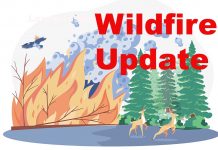
No new wildland fires were confirmed in Ontario’s Northeast Region on Sunday, July 26, according to Aviation, Forest Fire and Emergency Services.
There were 38 active fires across the region as of 6 p.m. EDT. Although the update covers Northeastern Ontario rather than the Northwest Region containing Thunder Bay, the conditions remain important for residents travelling across Northern Ontario and for communities monitoring smoke, fire danger and provincial firefighting activity.
One Northeast Region fire remains not under control
Of the 38 active fires, one was listed as not under control, one was being held, four were under control and 32 were being observed.
The ministry’s update did not report any new fire starts during the day.
Ontario publishes separate fire activity reports for its Northeast and Northwest regions. Thunder Bay and most Northwestern Ontario communities should therefore continue checking the Northwest Region update for the fire situation closest to home.
Fire danger conditions can change during the day
The province’s interactive fire map shows fire locations, restricted fire zones and forest fire danger ratings calculated using information from more than 130 weather stations across Ontario’s fire region.
Because temperature, wind, rainfall and humidity can change throughout the day, the danger rating displayed for a community may also change. Campers, anglers, forestry workers and people travelling into remote areas should check the latest conditions before leaving.
Ontario’s online forest fire information service provides current fire activity, danger ratings and information on restrictions across the province.
Boaters urged to stay clear of waterbombers
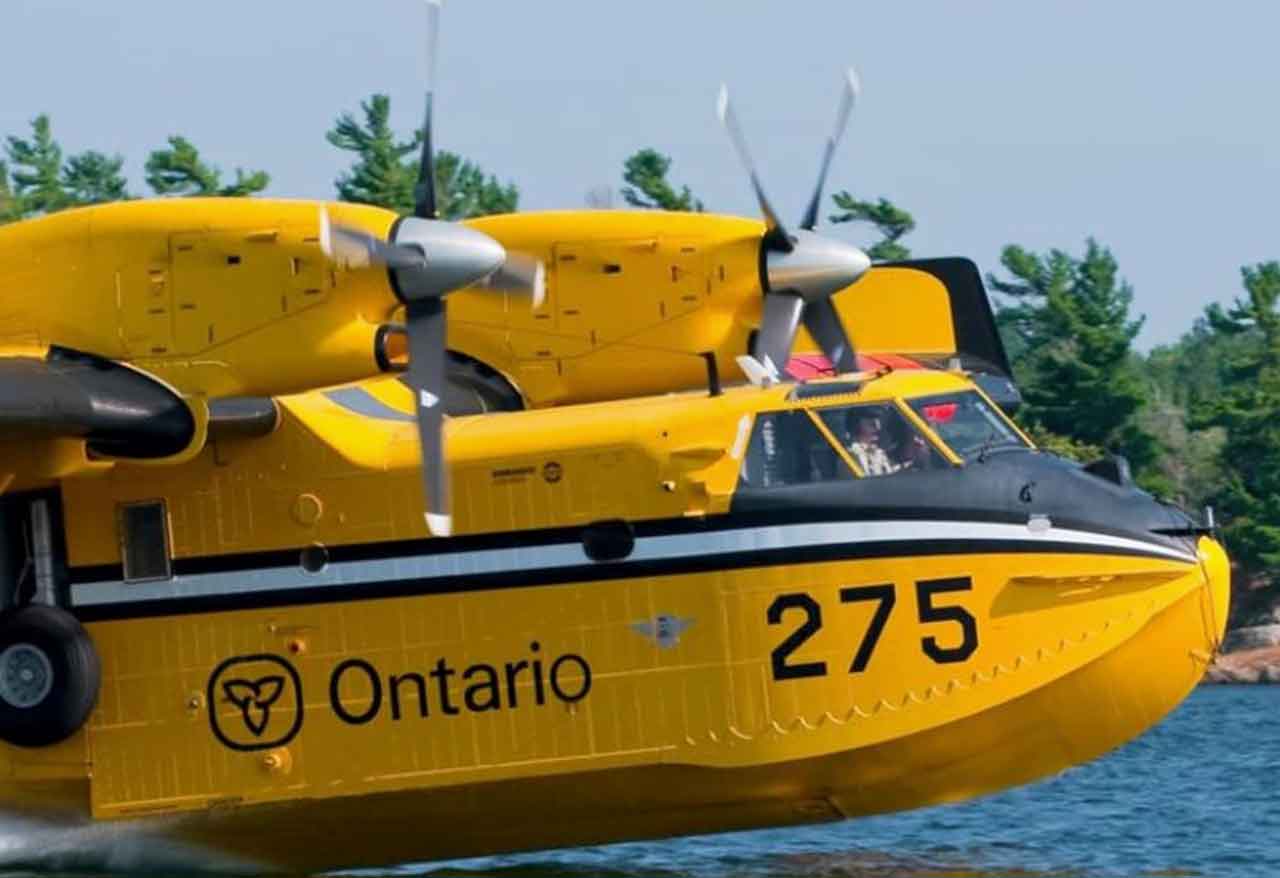
Aviation, Forest Fire and Emergency Services is reminding boaters to move close to shore when a waterbomber approaches a lake or river.
Waterbombers require a clear stretch of open water to safely descend, scoop water and take off. Pilots will not attempt a scoop when boats or other watercraft create a safety hazard.
Boaters should never attempt to approach, follow or photograph an aircraft while it is conducting water-scooping operations.
Outdoor burning rules remain in effect
Ontario’s legislated fire season runs from April 1 to Oct. 31.
The province recommends composting yard waste or taking woody debris to an approved landfill instead of burning it. Anyone who must burn should have sufficient water and equipment available to control the fire.
Under the outdoor burning rules, fires may generally be started no sooner than two hours before sunset and must be extinguished no later than two hours after sunrise.
Residents must also check with their municipality or local fire department before burning. Municipal fire bans, permit requirements or other local restrictions may be more stringent than provincial rules.
How to report a wildland fire
To report a wildland fire north of the French and Mattawa rivers, call 310-FIRE — 310-3473.
Fires south of the French or Mattawa rivers should be reported by calling 911.
People reporting a fire should provide the location, nearby roads or waterways, the estimated size of the fire and any visible threat to people, buildings or infrastructure.
Source: Ontario Ministry of Natural Resources, Aviation, Forest Fire and Emergency Services. Status information is from the July 26, 2026, 6 p.m. EDT update and may change as crews assess active fires.