Crimes and fatal accidents leave behind deep emotional scars, but these traumatic events also leave behind contaminated dangers, such as blood, bodily fluids, and human tissue, requiring biohazard cleanup. Remediating these environments requires a high degree of professionalism and discretion when overseeing the safe removal and disposal of biological materials, sanitation, and disease prevention.
The Remediation Process
Professional crime scene cleaners follow a strict sequence of processes, starting with a careful assessment of biohazard cleanup needs. Once the scene is assessed, cleanup professionals will explain the remediation process to property owners.
These professionals recognize the sensitive nature of traumatic events, making privacy an absolute priority. Cleanup is conducted securely and discreetly, ensuring the area is properly contained.
Affected areas are thoroughly decontaminated. Porous building materials that are saturated with biological fluids, such as drywall, carpeting, and plywood subflooring, are removed and disposed of safely. Remaining hard surfaces are cleaned with industrial and hospital-grade disinfectants, ensuring properties are completely safe to re-enter after remediation.
Follow-up and continued support are also offered, whether it’s providing detailed documentation for insurance or clearance testing to confirm the total absence of any contaminants.
Preventing Risks from Bloodborne Pathogens
Strict biohazard protocols are essential for preventing the severe health risks posed by bloodborne pathogens. Microorganisms found in human blood and bodily fluids can cause life-threatening illnesses, such as Human Immunodeficiency Virus (HIV), a virus that attacks the immune system, which can lead to acquired immunodeficiency syndrome (AIDS).
Hepatitis B (HBV) is another concern. This highly contagious virus can cause severe liver infections. It’s also incredibly resilient and can survive in dried blood for up to a week, necessitating the need for strict biohazard clean-up and follow-up testing.
Similarly, Hepatitis C (HCV) is a bloodborne virus that causes liver inflammation and long-term chronic health risks.
Specialized Equipment and Supplies
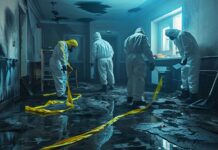
Certified biohazard cleanup crews use specialized equipment and containment strategies. For starters, they wear industry-standard Personal Protective Equipment (PPE), including:
- Full-body hazmat suits
- Respirators
- Face shields
- Industrial-grade gloves
PPE gear completely protects professionals’ skin and lungs from exposure.
Cleanup crews must isolate contaminated zones with heavy-duty plastic barriers. Negative-air-pressure machines are brought in to prevent airborne pathogens and physical contaminants from traveling into unaffected areas.
Biohazardous materials can’t be legally disposed of in standard municipal trash receptacles. Certified teams must follow medical disposal protocols that include compliant tracking, waste transport, and proper destruction at licensed medical-waste facilities.
Regulatory Considerations
Biohazardous waste is strictly regulated to protect public health. For example, in Ontario, Canada, the Ontario Ministry of the Environment, Conservation and Parks mandates Guideline C-4, which governs the separation, packaging, and legal disposal of biomedical and anatomical waste. Moreover, infection control protocols are strictly enforced to ensure biological spills are completely neutralized.
Learn more
Biohazard cleanup is a critical and necessary service that protects public health, property owners, and individuals and families impacted by traumatic events. It involves strict processes that include assessments, planning, safe removal and disposal, and follow-up support, while adhering to strict guidelines for PPE, disease prevention, and waste management.
Discover more topics of interest, including local headlines, home resilience, health, and politics.