Prime Minister Convenes Wildfire Response Group as Northwestern Ontario Evacuations Surpass 3,000
OTTAWA — Prime Minister Mark Carney convened the federal Incident Response Group on Wednesday to review worsening wildfire conditions across Canada, including the evacuation of more than 3,000 people from communities in Northwestern Ontario.
Ministers and senior federal officials were briefed on hundreds of active wildfires burning in every province and territory, as extreme heat and prolonged dry conditions continue to increase fire activity.
The federal government said more than 12 Northwestern Ontario communities have been affected by evacuations this month, including several First Nations.
Federal Government Reviews Northwestern Ontario Response
The Incident Response Group discussed federal co-ordination with the Ontario government and First Nations leadership, including assistance provided after Ontario submitted a request for federal support with air evacuations.
The Prime Minister’s Office said the federal government remains prepared to provide additional resources as required.
Nearly 300 water bombers, helicopters, reconnaissance aircraft and evacuation aircraft are supporting wildfire operations across Canada, according to the federal statement.
The Canadian Armed Forces deployed four CC-130 Hercules aircraft to assist with 13 evacuation flights from Eabametoong First Nation, also known as Fort Hope.
The community has faced a serious wildfire threat, with air evacuations required because it does not have all-season road access.
For remote First Nations across Northwestern Ontario, aircraft are often the only practical means of moving large numbers of residents during an emergency. Smoke, weather and competition for available aircraft can complicate those operations.
No Word on Prime Ministerial Visit to Thunder Bay
Thunder Bay has served as an important regional centre for evacuee reception, emergency co-ordination, transportation and health services during previous wildfire emergencies.
A visit by the Prime Minister could provide federal officials with a direct view of the pressures facing evacuated residents, First Nations leadership, municipal services, emergency responders and host communities.
NetNewsLedger has repeatedly asked the Prime Minister’s Office whether Carney intends to visit Thunder Bay or another affected Northwestern Ontario community.
Despite several requests over the course of the week, the Prime Minister’s Office has not provided a response. It remains unclear whether a visit is being planned.
Federal Government Highlights Technology and Aircraft
The federal government said wildfire agencies are using predictive analytics, artificial intelligence, drones, high-resolution radar imagery and thermal-imaging technology to improve fire detection and support suppression decisions.
These systems can help agencies identify hotspots, estimate fire movement and direct crews and aircraft toward priority areas.
Technology does not eliminate the challenges created by Northwestern Ontario’s geography. Fires can burn across vast areas with limited road access, while smoke can restrict aircraft operations and delay evacuations.
Carney told ministers and senior officials that the federal government would deploy the resources required to protect Canadians.
He also called for continued work among federal, provincial, territorial and Indigenous governments to strengthen forest management and national wildfire-response capacity.
More Than 5,300 Firefighters Deployed Across Canada
The Incident Response Group was told that more than 5,300 firefighting personnel have been deployed across Canada this summer.
The Prime Minister thanked firefighters, first responders, Canadian Armed Forces personnel, Indigenous leaders and local officials involved in evacuation and suppression efforts.
He also acknowledged residents, organizations and host communities providing accommodation, meals, transportation and other assistance to evacuees.
Mexico has committed to sending as many as 200 firefighters to Canada in the coming weeks, according to the federal statement.
International assistance is commonly used when national wildfire activity places heavy demands on provincial and territorial firefighting resources.
Pressure on Thunder Bay and Regional Communities
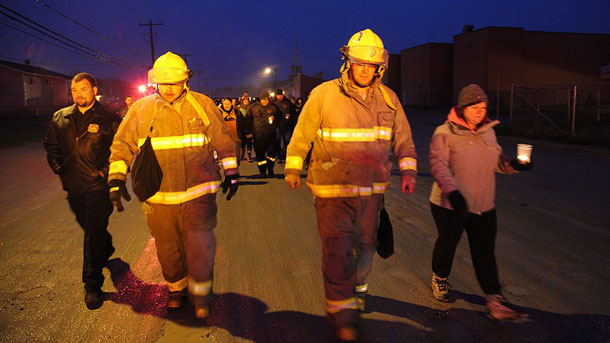
The evacuation of more than 3,000 people from over 12 Northwestern Ontario communities places significant pressure on regional emergency systems.
Thunder Bay, Sioux Lookout and other regional centres can be called upon to provide hotel rooms, temporary shelter, medical services, transportation and cultural support.
Evacuations can be particularly disruptive for First Nations residents who may be moved hundreds of kilometres from their home communities and separated from family members, health providers and familiar support networks.
Long evacuations also create added costs for governments and host communities while disrupting education, employment and regular health care.
Federal, provincial and First Nations officials will need to continue planning not only for immediate evacuations, but also for the safe return of residents and the restoration of essential services.
Public Asked to Avoid Non-Essential Travel
Carney urged people in affected areas to follow instructions from local authorities and avoid non-essential travel into wildfire-impacted regions.
The federal government said reducing unnecessary travel can help keep roads clear and preserve hotel rooms and other accommodations for evacuees and emergency workers.
The wildfire situation remains fluid, and evacuation alerts, orders and travel restrictions may change with little notice.
Prime Minister Carney directed ministers and senior officials to continue working with provincial, territorial and Indigenous partners to support affected communities.