Canada appeals First Nations water and housing rulings in Winnipeg, with Sandy Lake defending legal duties
Hearings in Winnipeg will test federal legal duties recognized in cases involving Shamattawa, St. Theresa Point and Sandy Lake First Nations
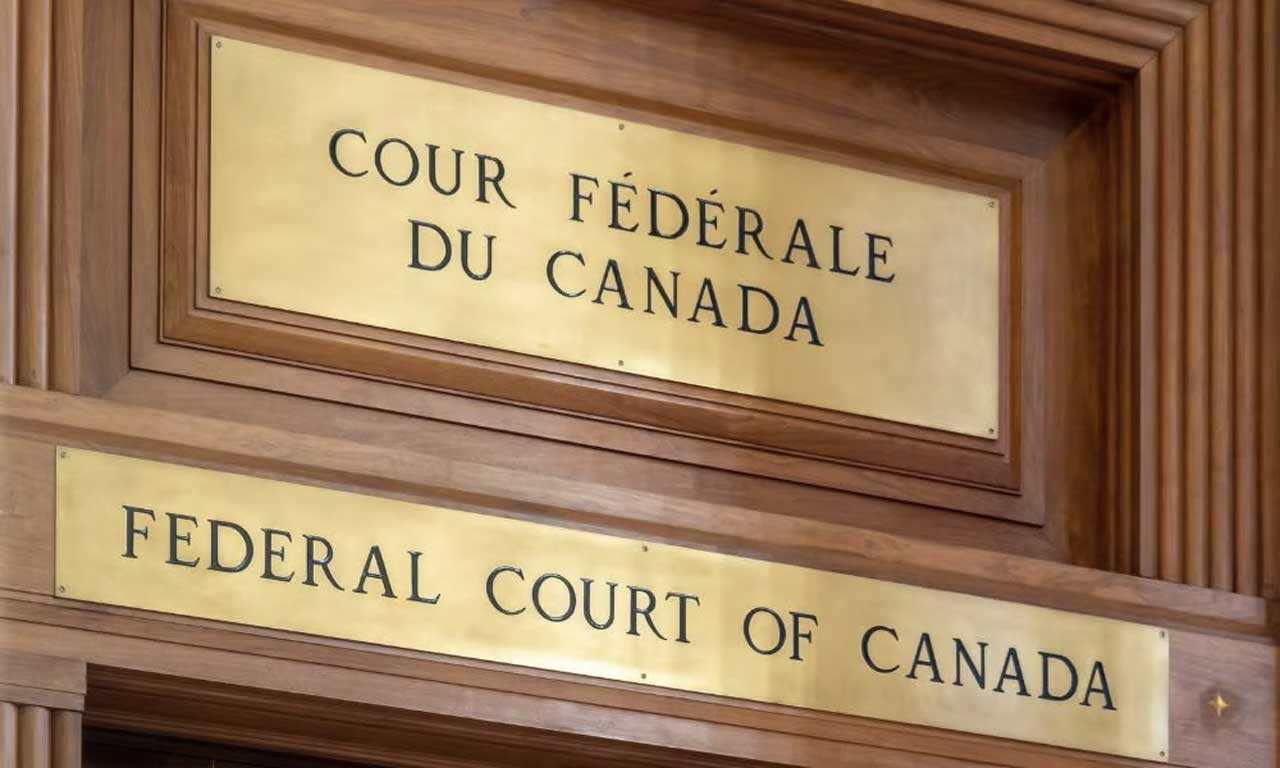
WINNIPEG — Canada’s legal responsibilities for safe drinking water and adequate housing on First Nations reserves are before the Federal Court of Appeal this week, with hearings scheduled for October 28 and 29 in Winnipeg. The federal government is challenging two December 2025 decisions that recognized enforceable duties toward the affected communities and their members.
For Northwestern Ontario, the housing appeal has a direct connection: Sandy Lake First Nation is a plaintiff alongside Manitoba’s St. Theresa Point First Nation. Shamattawa First Nation and Chief Jordna Hill brought the separate drinking-water case. Both are class actions, allowing shared legal issues affecting larger groups to be addressed together.
Federal Court Justice Paul Favel released both decisions on December 5, 2025.
In Shamattawa First Nation v. Canada, he found Canada owes duties to take reasonable measures to provide safe drinking water, ensure access to it, or refrain from blocking that access. The case concerns First Nations and people affected by prolonged drinking-water advisories.
In St. Theresa Point First Nation v. Canada, Favel recognized corresponding duties concerning access to adequate housing. That class action concerns remote First Nations and their members who meet the court-approved eligibility criteria.
The rulings recognized fiduciary duties tied to Canada’s control and commitments toward the affected First Nations, as well as a duty to take reasonable care. Favel also found that Charter protections were engaged. However, determining the full scope of those protections and whether particular rights were breached was left for a later stage.
That distinction matters. These were decisions about whether legal obligations exist. They were not final judgments resolving every alleged breach, awarding compensation or setting construction deadlines.
Olthuis Kleer Townshend LLP, one of the firms representing the First Nations, says the next stage of the water case would examine the scope of Canada’s duties, possible breaches and remedies. That stage must wait until the appeal is resolved. Canada filed its water appeal on January 5, 2026; the court registry records the same filing date for the housing appeal.
The housing judgment describes overcrowded, deteriorating homes and families living in condemned buildings because they have no alternatives. It also identifies displacement as a consequence: people leave their communities to find shelter, separating them from family, culture and traditions.
Sandy Lake Chief Delores Kakegamic said the conditions would provoke a very different response elsewhere.
“If these on-reserve housing conditions existed elsewhere, it would be a political crisis,” Kakegamic said in a statement.
Assembly of Manitoba Chiefs Grand Chief Kyra Wilson also criticized the appeals. In comments reported by APTN, she contrasted Canada’s language of partnership at this week’s First Nations–First Ministers’ Meeting with its position in court. Wilson called for federal resources to go toward homes and water infrastructure. Ottawa’s position is that the court went too far in defining its obligations. In written arguments filed May 29, federal lawyers argued the water ruling exceeded existing legal duties and opened the door to unlimited government liability.
Indigenous Services Canada says that the appeal sought “further clarification on key issues.” The department also said it continued working with Shamattawa on a lasting water solution, citing $26.5 million provided since 2019 for a water treatment plant.
For the First Nations involved, the appeals will help determine the legal foundation on which they can pursue accountability and remedies. Even if the decisions are upheld, further proceedings would be needed to resolve the remaining issues.