Thunder Bay 19-Year-Old Faces Impaired Driving Charges After Shuniah Traffic Stop
SHUNIAH — A 19-year-old Thunder Bay driver is facing impaired-driving, open-liquor and speeding charges following an Ontario Provincial Police traffic stop on Highway 11/17 in Shuniah.
The charges carry potential consequences extending well beyond the courtroom. A conviction can result in fines, a lengthy driver’s licence suspension, mandatory education programs, ignition-interlock requirements and significantly higher insurance premiums.
Traffic Stop Conducted Near Highway 527
Thunder Bay OPP officers stopped a vehicle on Highway 11/17 at Highway 527 at approximately 6:27 p.m. on Thursday, July 16.
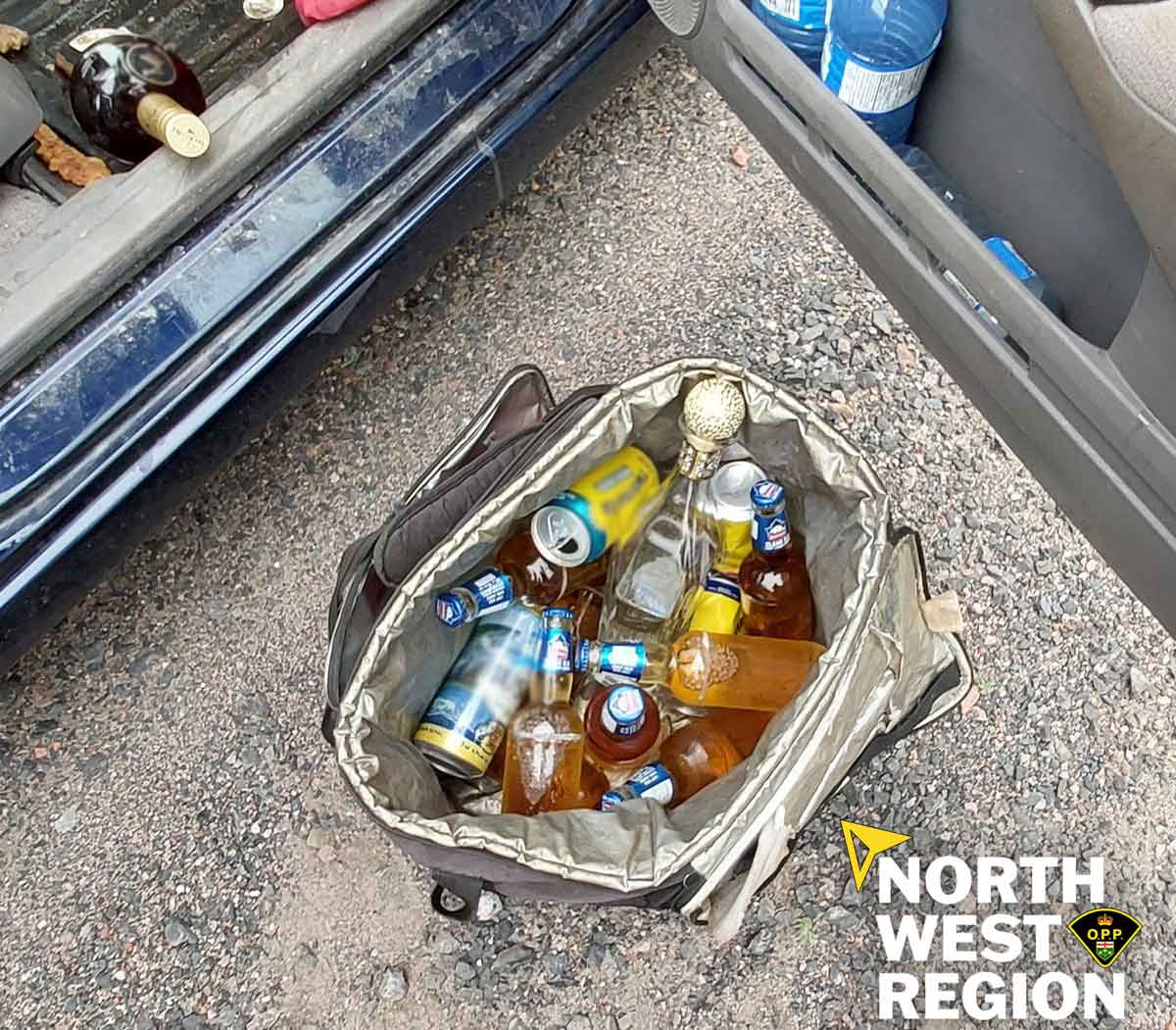
Police allege the officer saw open containers of alcohol inside the vehicle and observed signs that the driver was impaired.
Carter Cressman-Speak, 19, of Thunder Bay, was arrested and charged with:
operation while impaired by alcohol;
operation while impaired with a blood-alcohol concentration of 80 milligrams or more;
driving a motor vehicle with an unsealed container of liquor;
young driver with a blood-alcohol concentration above zero; and
speeding between one and 49 kilometres per hour over the posted limit.
Cressman-Speak was released from custody and is scheduled to appear in the Ontario Court of Justice in Thunder Bay on Wednesday, Sept. 2.
What the Criminal Charges Mean
Section 320.14(1)(a) of the Criminal Code makes it an offence to operate a vehicle while a person’s ability to drive is impaired to any degree by alcohol, drugs or a combination of the two.
Section 320.14(1)(b) creates a separate offence when a person has a blood-alcohol concentration of at least 80 milligrams of alcohol in 100 millilitres of blood within two hours of operating a vehicle. A person may be charged with both offences arising from the same investigation.
The Crown must prove the elements of the charges beyond a reasonable doubt. Police have not released the driver’s alleged blood-alcohol reading.
Fines, Jail and Driving Prohibitions
For a first impaired-driving conviction, the Criminal Code establishes a minimum fine of $1,000.
The minimum fine increases to $1,500 when the blood-alcohol concentration is between 120 and 159 milligrams and to $2,000 when it is at least 160 milligrams.
The Crown may proceed by summary conviction or indictment. The maximum available punishment is a $5,000 fine, imprisonment for up to two years less a day, or both, when prosecuted summarily. An indictable conviction carries a maximum sentence of 10 years. Penalties increase for subsequent convictions.
A conviction also carries a federal driving-prohibition order. Provincial licence consequences apply separately.
Immediate Ontario Penalties
Ontario imposes roadside sanctions before the criminal case is decided when a driver registers a blood-alcohol concentration of at least 80 milligrams or meets other impaired-driving criteria.
For a first occurrence, those sanctions include:
an immediate 90-day licence suspension;
a seven-day vehicle impoundment;
a $550 administrative penalty;
an eight-hour education course; and
a driver’s licence reinstatement fee.
Following a first criminal conviction, Ontario requires a licence suspension of at least one year, completion of a mandatory education or treatment program and use of an ignition-interlock device for at least one year.
Drivers aged 21 and younger must maintain a blood-alcohol concentration of zero. The zero-tolerance rule also applies to novice G1, G2, M1 and M2 drivers of any age.
The open-liquor and speeding allegations are provincial offences carrying additional fines and possible demerit points. The speeding penalty depends on how far above the posted limit the vehicle was allegedly travelling.
Insurance Costs Can Become the Largest Long-Term Expense
Court fines may be only one part of the financial impact of an impaired-driving conviction.
Ontario’s Financial Services Regulatory Authority says insurers consider a driver’s age, experience, speeding tickets and driving convictions when calculating premiums. Younger drivers generally pay more because insurers consider teenagers and inexperienced motorists a higher risk.
An impaired-driving conviction can result in a driver being classified as high risk. A regular insurer may decline to renew or offer a policy, forcing the motorist to seek coverage from a high-risk insurer or through the Facility Association, Ontario’s insurer of last resort.
FSRA cautions that Facility Association coverage costs substantially more than insurance in the regular market.
There is no standard increase applied to every driver. The cost depends on the insurer, vehicle, location, previous driving record and available coverage. Consumer-market estimates commonly indicate that premiums can double or increase even more following an impaired-driving conviction.
For illustration, a driver paying $3,000 annually who receives a 100 per cent increase would pay $6,000 a year — an additional $9,000 over three years. A young driver with speeding and impaired-driving convictions could face an even higher premium or have difficulty securing coverage outside the high-risk market.
Those costs come in addition to legal fees, licence reinstatement charges, education programs, vehicle impound fees, towing, ignition-interlock installation and ongoing monitoring expenses.
Highway Safety in Northwestern Ontario
Highway 11/17 is a major route for commuters, commercial vehicles, resource-sector traffic and travellers moving between Thunder Bay and communities across Northwestern Ontario.
Impaired driving on a high-speed regional highway places the driver, passengers, highway workers and other motorists at risk. Ontario identifies alcohol-impaired driving as one of the leading causes of death on provincial roads.
Anyone who suspects a driver is impaired should call 911 and provide the vehicle description, licence plate, location and direction of travel when it is safe to do so.
Plan a Safe Ride Home
Impaired driving is preventable. Before drinking, arrange a safe way home by:
using Uride or another available ride service;
calling a taxi;
taking Thunder Bay Transit where routes and operating hours permit;
arranging a designated driver;
calling a friend or family member;
staying overnight; or
surrendering the vehicle keys to a sober person.
Drivers should not rely on coffee, food, fresh air or a short rest to become sober. The safest choice is to leave the vehicle parked and arrange another ride.
Presumption of Innocence
Carter Cressman-Speak is presumed innocent unless and until proven guilty in a court of law.
The charges have not been tested in court.