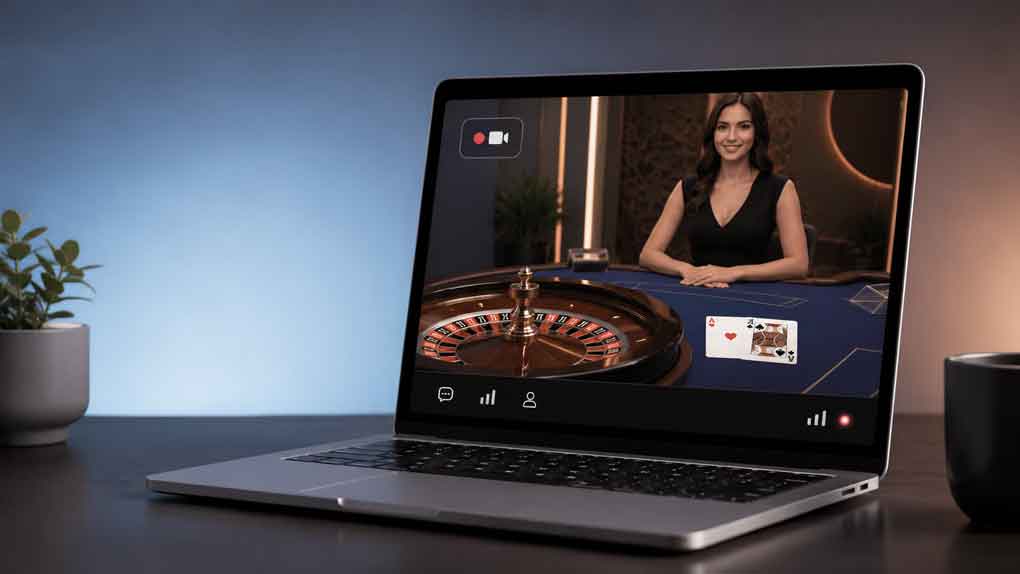
Live dealer table games have grown because they solve a simple entertainment gap. Standard digital tables are quick, but they can feel compressed. Live-streamed roulette, blackjack, baccarat, poker-style games, and game-show rounds add time, motion, and human presentation, giving familiar rules a clear broadcast rhythm.
That matters because live streaming is built around participation, not passive viewing. A 2024 PLOS One study on interactive elements in live streaming found that interaction with streamers, platforms, and other viewers can shape social presence and trust in real-time digital environments. Table-game streaming uses a similar principle: the viewer sees a process unfolding, not just a final screen result.
Where The Main Formats Come Together
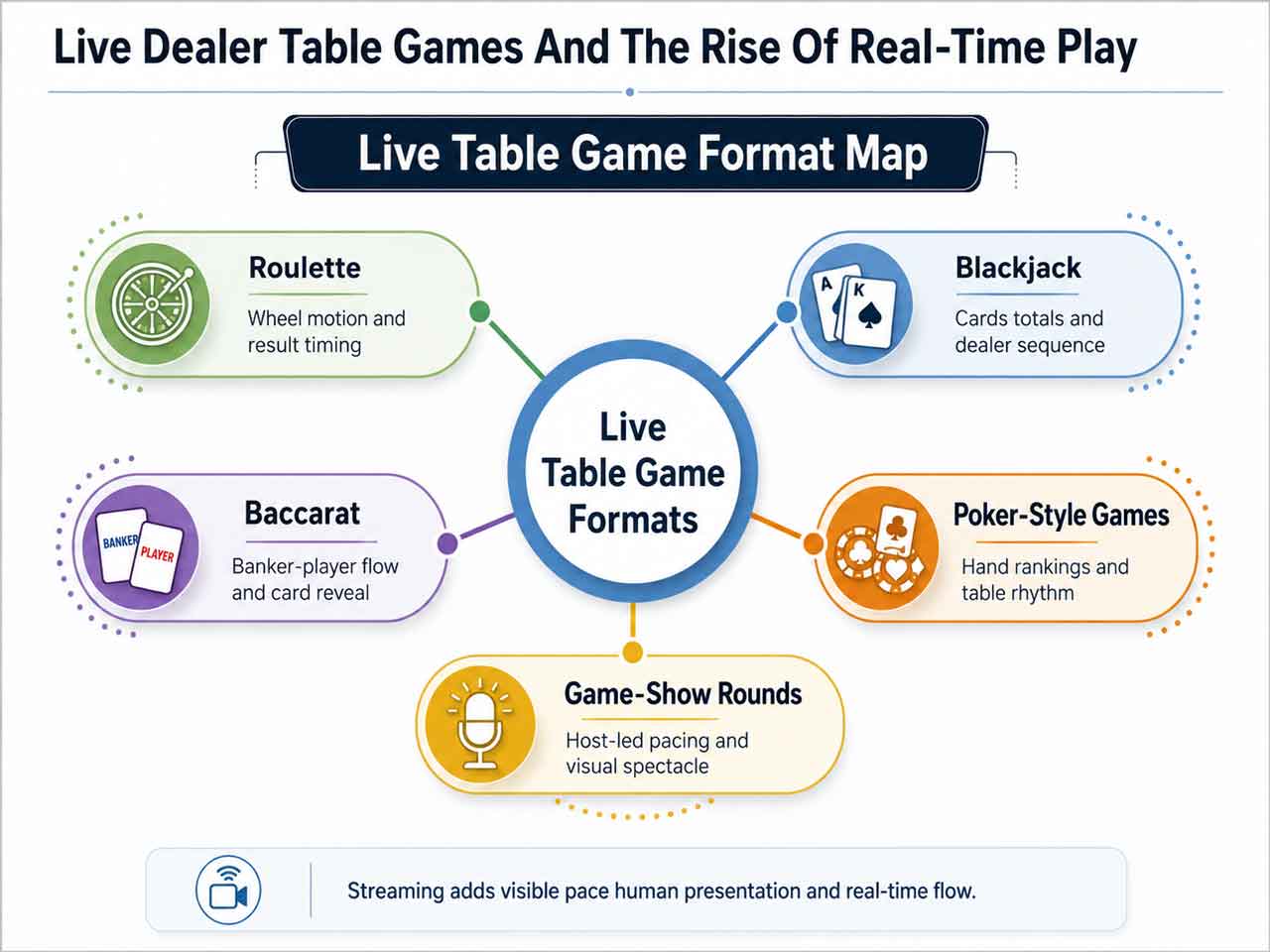
The clearest way to understand the boom is to separate the table rules from the delivery style. Roulette still turns on the wheel and the moment of reveal. Blackjack still revolves around card totals, dealer sequence, and player decisions. Baccarat keeps its banker-player structure and measured card reveal. Poker-style live games focus attention on hands, rankings, and table flow. Game-show formats lean more heavily into hosts, wheels, and staged rounds.
A dedicated live dealer casino page is a useful context because it places these live categories together. Once readers see the formats side by side, the category becomes easier to read: a live dealer casino is not only about one table type, but about how real-time presentation changes the pace of several recognizable formats. Roulette becomes more suspense-led. Blackjack becomes more sequence-led. Baccarat becomes more ceremonial. Poker-style formats become easier to compare by rhythm, hand structure, and table energy.
| Format | What Viewers Notice First | Why Streaming Changes The Feel |
| Roulette | Wheel motion and result timing | The pause before the reveal becomes part of the experience |
| Blackjack | Cards, totals, and dealer sequence | Decisions are framed by visible round-by-round pacing |
| Baccarat | Banker-player layout and card reveal | The format feels orderly, measured, and easy to follow |
| Poker-style games | Hand comparison and table flow | Rankings and outcomes are easier to read in context |
| Game-show rounds | Host presence and visual spectacle | The presentation feels closer to live entertainment |
Pace Is the Real Difference
The word “live” can sound like a technical detail, but pace is the real change. In many digital table games, the round moves as quickly as the software allows. In streamed table games, the round has a visible beginning, middle, and end. The viewer watches the host or dealer move through a sequence that gives the format shape.
That pacing helps explain why different games feel distinct, even when they sit under the same wider category. Roulette has natural anticipation because the wheel and ball create a visible countdown. Blackjack has a more decision-focused rhythm because each card changes the state of the hand. Baccarat has a steady flow because the banker and player positions are fixed, and the reveal is part of the ritual. Game-show titles stretch the format toward entertainment programming, where a host’s timing and the visual event are central.
Why Table Games Adapted So Well to Streaming
Table games fit streaming beautifully because their physical actions are already readable. A wheel spins. A card is dealt. A host announces the next stage. A round closes, then another begins. These actions do not need heavy explanation, making them suited to small screens and casual viewing.
The format also matches how people now consume digital media. Video calls, live sports clips, creator streams, and real-time shopping events have made audiences comfortable with watching something happen as they respond to it. Live dealer table games borrow that wider media habit and apply it to structured play. They do not need to turn every moment into instruction. The value is showing the round clearly enough that the viewer understands the pace.
A simple distinction helps: software tables prioritize speed, while streamed tables prioritize presence. Neither description needs to be framed as better or worse. They serve different moods. One is immediate. The other is watchable.
The Bigger Media Shift Behind the Boom
The boom is not only about casino technology. It reflects a broader move toward digital formats that feel live, social, and easy to interpret. People increasingly expect online entertainment to show process, personality, and timing. Live dealer table games sit inside that wider shift because they combine familiar rules with visible human presentation.
For readers trying to understand the category, the most useful lens is not hype. It is format literacy. Ask what is being shown, how the round moves, what the host or dealer adds, and why the live layer changes attention. That explains why the category has become more visible in digital entertainment coverage and why table games were such a natural fit for streaming in the first place. It also matches wider research showing that real-time interaction and visual stimuli can support sustained engagement in live video settings, as explored in this open-access study on live streaming interaction and visual stimuli.