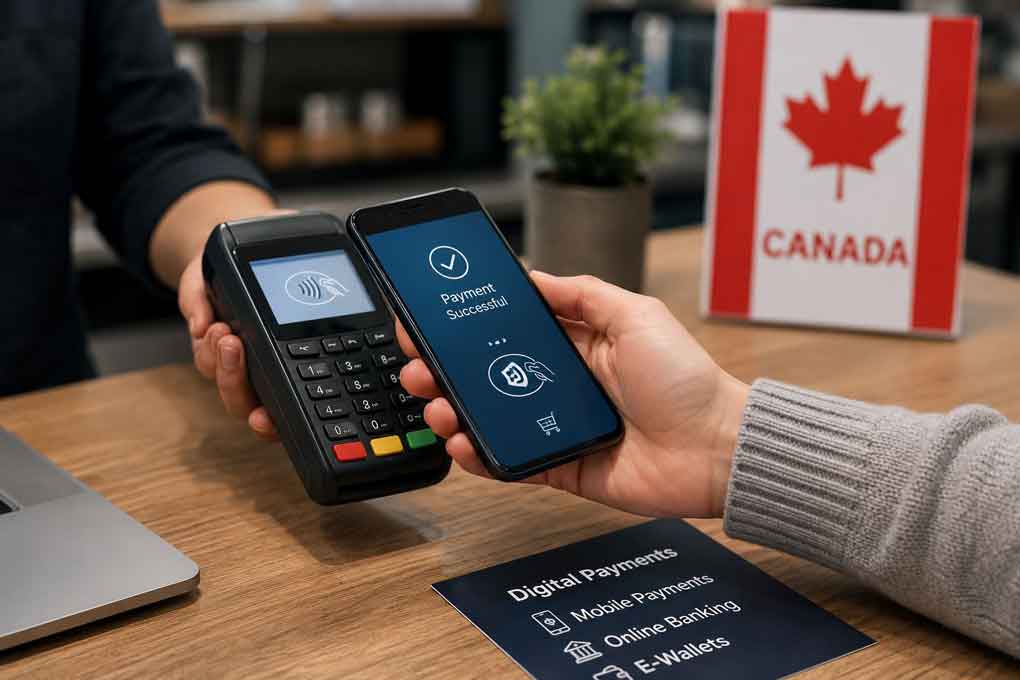
A Change That Happened Gradually
Many people associate digital payments with smartphones, online shopping, and banking applications. Those factors matter, but they explain only part of the story. The broader shift comes from changes in everyday habits. Canadians now complete purchases, transfer money, pay bills, and manage subscriptions through digital channels more often than they did a decade ago.
Conversations about consumer spending often include many types of online services, and references to Bet Samuro sometimes appear in discussions about digital transactions because entertainment platforms also depend on modern payment systems. More importantly, Canadians now expect quick and straightforward payment methods in almost every part of daily life. Whether someone buys groceries, pays a utility bill, or sends money to a family member, digital tools often handle the transaction.
The transition did not happen overnight. Several developments moved in the same direction over many years. Internet access expanded. Mobile devices became common. Financial institutions improved online services. Merchants accepted new forms of payment. Consumers grew comfortable with completing transactions through screens rather than paper forms or cash.
Today, digital payments play a significant role in Canada’s economy. They influence consumer behavior, business operations, and financial planning. They also affect how people interact with money on a daily basis.
Why Canadians Use Digital Payments More Often
Convenience remains one of the strongest reasons behind this shift. People value speed, especially when they manage multiple responsibilities throughout the day. A transaction that takes a few seconds often feels more practical than one that requires extra steps.
Several factors support the growth of digital payments:
- Faster transaction processing.
- Wider access to online banking tools.
- Increased smartphone ownership.
- Growth of e-commerce activity.
- Better integration between financial services and mobile applications.
- Greater familiarity with digital technology.
These factors work together rather than independently. A person who shops online frequently often becomes more comfortable with digital transactions in other situations. That comfort gradually influences additional financial decisions.
Age also plays a role, although digital payment usage extends across multiple generations. Younger consumers often adopt new technologies quickly, while older Canadians increasingly use digital services for routine financial tasks. The gap between age groups has narrowed over time.
The Declining Dependence on Cash
Cash still serves a purpose in Canada, but its role has changed. Many consumers carry less physical currency than they once did. Some individuals rarely use cash during a typical week.
Several reasons explain this trend. Digital transactions leave a record that users can review later. Banking applications categorize spending automatically. Budgeting becomes easier when payment history remains available in one location.
The following table illustrates some common differences between cash transactions and digital payments.
| Factor | Cash | Digital Payment |
| Transaction Record | Manual tracking | Automatic record |
| Remote Use | Limited | Available online |
| Bill Payments | Requires additional steps | Usually completed electronically |
| Spending Review | Personal tracking | Digital history available |
| Transfer Speed | Physical exchange | Often completed quickly |
This shift does not mean Canadians have abandoned cash completely. Instead, many people use it less frequently while relying more heavily on electronic alternatives.
E-Commerce Continues to Expand
Online shopping has become an important part of Canadian consumer activity. Digital payments make that environment possible. Without electronic transaction systems, modern e-commerce would operate very differently.
Consumers now purchase products and services from home, work, or while traveling. They compare prices, read reviews, and complete purchases within minutes. The payment stage often represents the final step in a process that begins with a search query or social media recommendation.
Businesses respond to these changes by improving online checkout systems and reducing unnecessary friction during purchases. Customers generally prefer payment experiences that require fewer actions and clear confirmation.
The growth of online retail influences more than shopping habits. It also affects logistics, customer service, inventory planning, and financial management. Digital payments connect these activities through a shared transaction framework.
Mobile Devices Changed Financial Behavior
Smartphones now serve as financial tools in addition to communication devices. Many Canadians check account balances, review spending, transfer money, and pay bills directly from mobile applications.
This behavior reflects broader changes in technology usage. People increasingly expect access to services whenever they need them rather than during specific hours.
A few examples include:
- Paying utility bills while commuting.
- Sending money to relatives during travel.
- Purchasing event tickets through mobile applications.
- Managing monthly subscriptions from a phone.
- Reviewing transaction history immediately after purchases.
These actions seem ordinary today. Several years ago, many consumers completed the same tasks through different channels that often required more time.
Mobile access also encourages more frequent interaction with financial information. Instead of waiting for monthly statements, users can review activity at any moment.
The Role of Security in Digital Transactions
Security remains one of the most important aspects of digital payments. Consumers want convenience, but they also expect protection against fraud and unauthorized activity.
Financial institutions invest significant resources in security systems. Authentication methods have evolved considerably over time. Many platforms now require additional verification before approving certain transactions.
Consumers have also changed their behavior. More people monitor account activity regularly. They create stronger passwords, enable additional security features, and respond quickly when suspicious activity appears.
Security concerns have not disappeared. Cybercrime continues to affect individuals and organizations across many industries. Nevertheless, growing familiarity with digital tools has encouraged wider acceptance of electronic payment methods.
Education plays a role as well. Public awareness campaigns, financial literacy programs, and online resources help consumers understand how to reduce risk while using digital services.
Small Businesses and Digital Payment Adoption
Small businesses across Canada have embraced digital payments for practical reasons. Customer expectations influence many of these decisions. Consumers often expect electronic payment options regardless of business size.
Digital systems can also support operational efficiency. Business owners can track revenue, monitor transactions, and review sales information without relying solely on manual records.
Common benefits include:
- Faster transaction completion.
- Easier accounting processes.
- Improved sales tracking.
- Better access to transaction data.
- Simplified customer payment experiences.
The adoption process varies across industries. Retail stores, restaurants, service providers, and online businesses may use different tools, but many share similar goals. They want payment systems that support day-to-day operations without creating unnecessary complexity.
Digital Payments and Financial Inclusion
Digital payment systems can help more people participate in the financial system. Access remains an important issue, particularly in remote communities and regions with limited infrastructure.
Canada continues to invest in connectivity and digital services. As internet access improves, more individuals gain opportunities to use electronic financial tools.
However, challenges remain. Not everyone has the same level of access to technology. Some consumers prefer traditional methods. Others face connectivity limitations that affect digital service usage.
Financial inclusion requires more than technology alone. Education, affordability, and accessibility also influence participation. Policymakers, financial institutions, and community organizations continue working on these issues.
Progress often occurs gradually. Small improvements in access can create meaningful changes over time.
How Consumer Expectations Continue to Evolve
Consumer expectations rarely remain static. Once people become accustomed to a certain level of convenience, they often expect similar experiences elsewhere.
This pattern appears clearly in digital payments. Consumers increasingly look for:
- Quick transaction confirmation.
- Clear account information.
- Easy transfer options.
- Transparent payment processes.
- Consistent performance across devices.
Businesses and financial service providers respond by refining user experiences and reducing unnecessary steps.
At the same time, expectations around transparency continue to grow. Consumers want to understand fees, transaction timing, and account activity without searching through lengthy documentation.
The demand for clarity influences product design and service development throughout the financial sector.
The Impact on Everyday Money Management
Digital payments affect more than purchases. They also shape how people think about budgeting and financial planning.
Many Canadians use digital tools to monitor spending patterns. Applications often categorize transactions automatically, making it easier to identify trends.
For example, consumers can quickly review spending in areas such as:
- Food and dining.
- Transportation.
- Housing costs.
- Entertainment.
- Subscription services.
This visibility encourages more active financial management. Individuals can adjust spending habits based on current information rather than waiting for periodic statements.
Access to transaction history also supports financial decision-making. People can review past activity, identify recurring expenses, and evaluate changes over time.
These capabilities contribute to a more informed approach to personal finance.
Looking Ahead
Digital payments have become a regular part of life in Canada. Their growth reflects broader changes in technology, consumer behavior, commerce, and financial services. What once seemed like an alternative payment method now serves as a standard option for many transactions.
The trend continues because digital payments align with the way many Canadians manage daily responsibilities. They support online shopping, bill payments, money transfers, and routine financial tasks through tools that remain accessible throughout the day.
Future developments will likely focus on security, accessibility, and user experience. Consumers will continue evaluating payment methods based on practicality, transparency, and trust. Businesses will continue adjusting to changing expectations. Financial institutions will continue refining the systems that support electronic transactions.
The story of digital payments in Canada does not revolve around a single technology or one major event. Instead, it reflects years of gradual change in how people interact with money. Those changes continue today, shaping financial behavior across households, businesses, and communities throughout the country.