Thunder Bay barbecue season: rubs, ribs, steak, chicken and smoked pork chops
THUNDER BAY — After weeks of weather that has felt more like an extended spring than the doorstep of summer, Thunder Bay may finally be ready for barbecue season.
The forecast calls for a warmer stretch this week, with Tuesday expected to reach about 24 C under mostly sunny skies, making it a good time to clean the grill, check the propane or charcoal supply and get cooking outside.
Skip the heavy sauce: start with a good barbecue rub
Barbecue sauce has its place, but a well-built dry rub gives ribs, chicken, steak and pork chops a deeper flavour without covering the meat in sugar. A rub also helps build a crust, or bark, when food is cooked over indirect heat or smoke.
A simple house rub for Thunder Bay backyard grilling starts with:
1/4 cup brown sugar
2 tablespoons smoked paprika
1 tablespoon kosher salt
1 tablespoon coarse black pepper
1 tablespoon garlic powder
1 tablespoon onion powder
1 teaspoon dry mustard
1 teaspoon chili powder
1/2 teaspoon cayenne, optional
1 teaspoon ground coffee, optional, especially for steak or ribs
Mix it well and store it in a sealed jar. Use a lighter hand on steak, a medium coating on chicken and pork chops, and a heavier coating on ribs.
Amazing ribs without drowning them in sauce
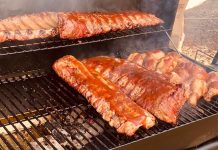
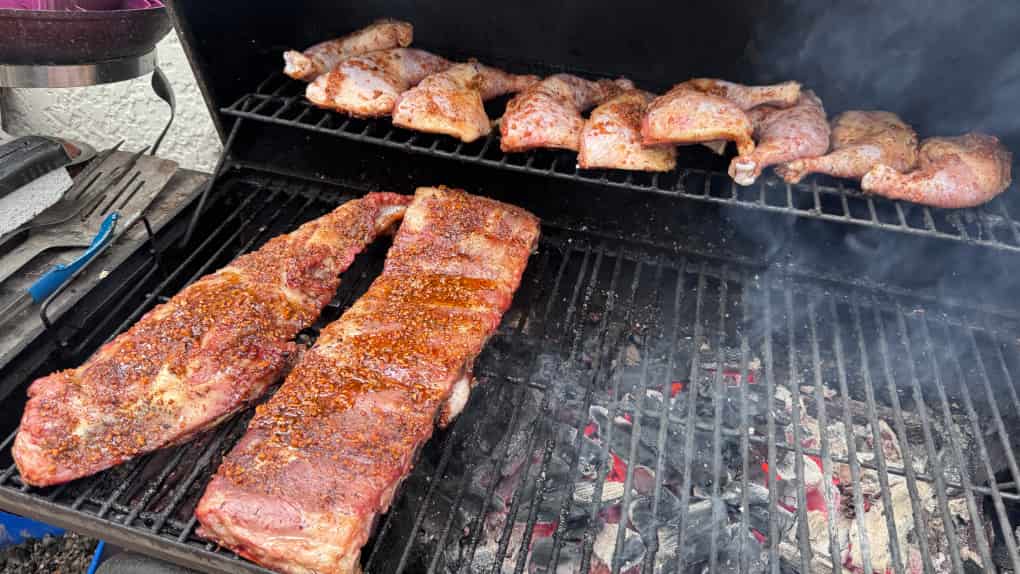
For ribs, remove the thin membrane from the bone side, pat the rack dry and coat it lightly with mustard or oil so the rub sticks. Apply the rub generously and let the ribs sit for at least one hour, or overnight in the fridge.
Cook ribs low and slow using indirect heat. On a gas grill, turn on one burner and place the ribs away from direct flame. On charcoal, bank the coals to one side and cook the ribs on the cooler side. Add applewood chips for smoke if you have them.
Keep the grill around 120 C to 135 C. Baby back ribs usually take about three hours. Side ribs can take longer. The goal is tenderness, not speed. When the meat pulls back slightly from the bone and bends easily when lifted with tongs, they are close.
For a dry-rub finish, leave them as they are. For a sticky finish, brush lightly with sauce only during the final 10 to 15 minutes so the sugar does not burn.
Health Canada lists pork, including ribs and chops, at a safe internal cooking temperature of 71 C. A digital thermometer is the best way to check doneness.
Great steak starts before it hits the grill
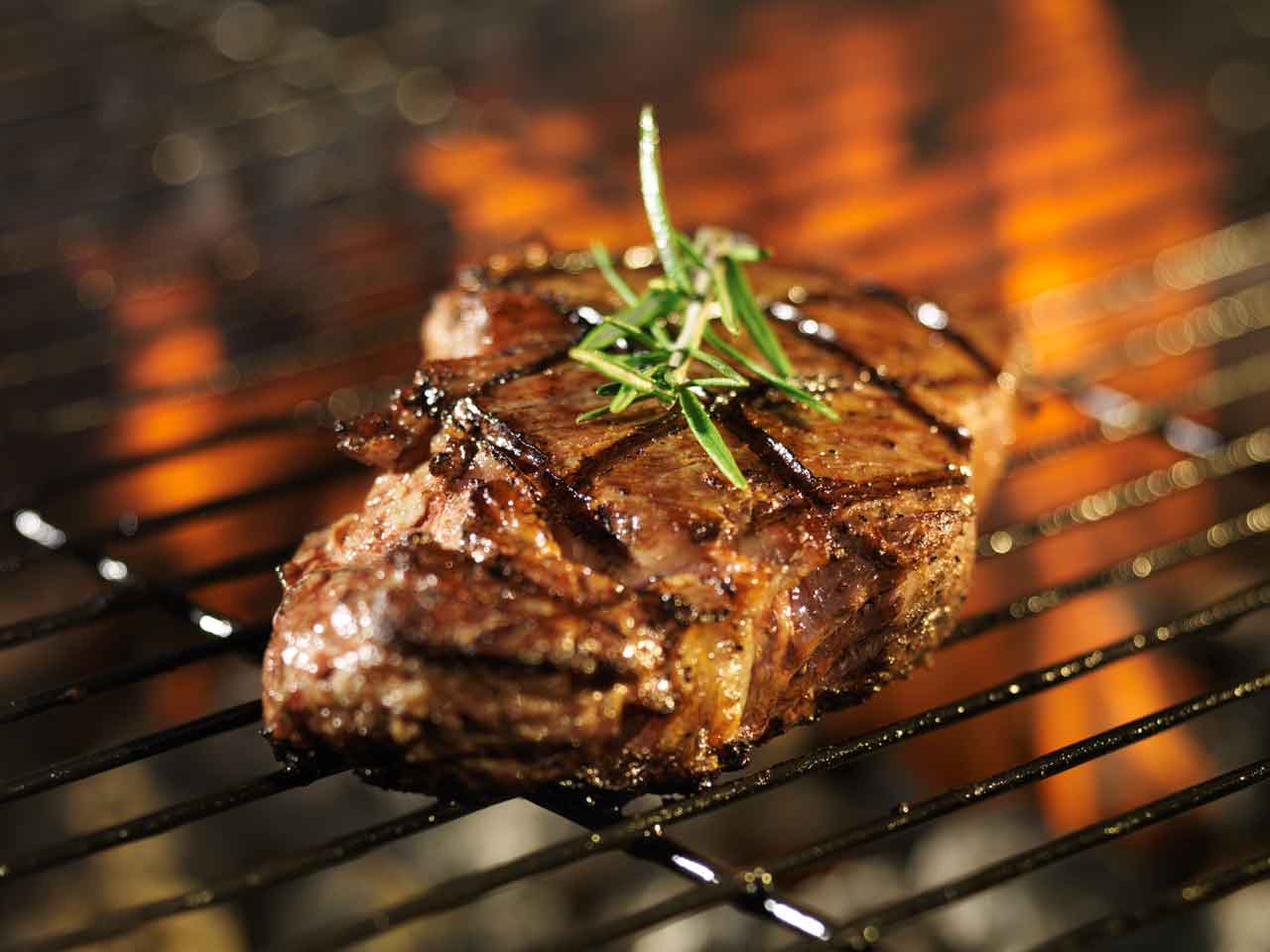
For steak, keep it simple. Pat it dry, season with salt, pepper and a small amount of rub, then let it rest at room temperature for about 20 to 30 minutes before grilling.
Use high heat. Sear the steak over direct heat, then move it to a cooler zone if it needs more time. Do not keep flipping it every few seconds; give each side enough time to build a crust.
A good finishing method is simple: remove the steak from the grill, add a small knob of butter, cover loosely and rest it for five to 10 minutes before slicing.
Health Canada lists safe internal temperatures for beef steaks and roasts as 63 C for medium-rare, 71 C for medium and 77 C for well done. Mechanically tenderized beef should be cooked to at least 63 C and turned over at least twice during cooking.
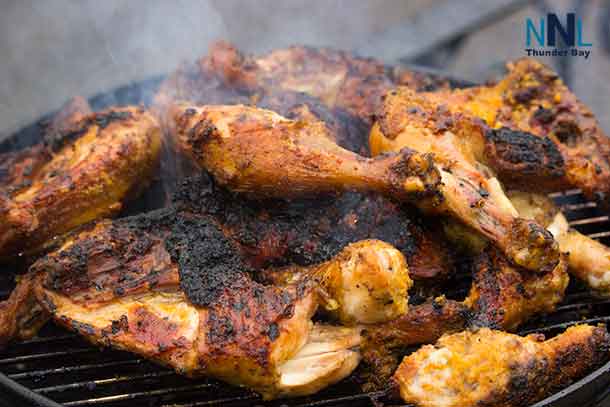
Super delicious chicken without drying it out
Chicken is one of the best foods for a rub because it picks up smoke, spice and char quickly. Drumsticks, thighs and bone-in pieces are especially forgiving on the barbecue.
Season chicken with the rub at least 30 minutes before cooking. For even better flavour, season it the night before and leave it covered in the fridge.
Cook chicken mostly over indirect heat, then finish briefly over direct heat to crisp the skin.
This helps prevent flare-ups and keeps the meat juicy. A light coating of oil before grilling can help the rub brown instead of burn.
Poultry pieces should be cooked to 74 C. Whole poultry should reach 85 C. Use a thermometer in the thickest part of the meat, away from the bone.
Applewood smoked pork chops
Applewood smoke works beautifully with pork chops because it is mild, slightly sweet and not overpowering.
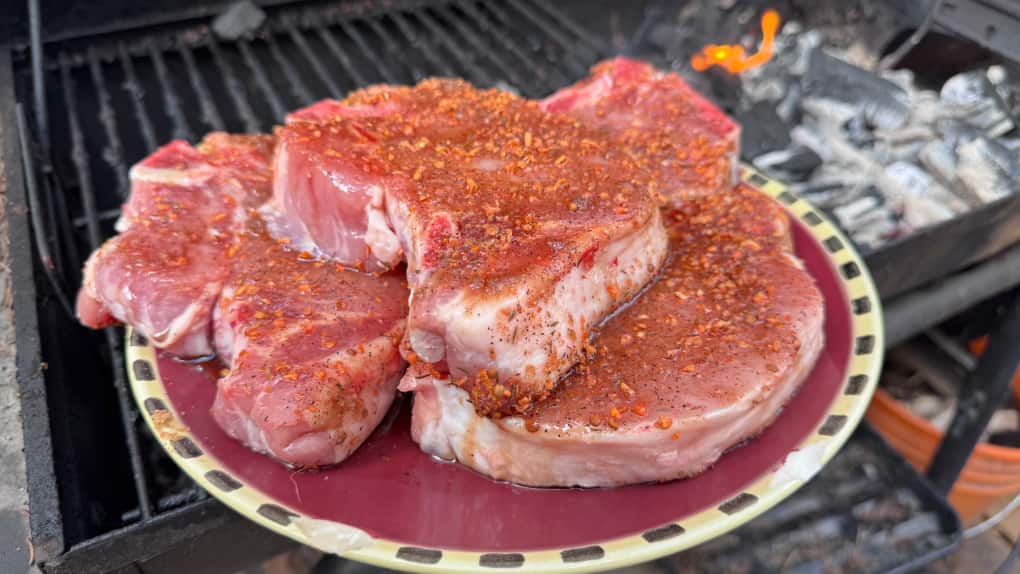
Use thick-cut bone-in chops if possible. Season with the rub and let them sit for at least 30 minutes. Set the barbecue for indirect heat and add applewood chips or chunks. Cook the chops gently until they approach doneness, then sear them quickly over higher heat to finish.
A good trick is to brush the chops with a small amount of apple juice or maple syrup during the final few minutes. Do not add it too early, or the sugar can burn.
Pork chops should be cooked to 71 C. Let them rest for five minutes before serving so the juices settle back into the meat.
Barbecue safety matters
Warm weather, outdoor cooking and family gatherings are part of summer in Northwestern Ontario, but food safety still matters. Health Canada advises keeping cold food cold and hot food hot, and warns that bacteria can grow quickly in the temperature danger zone between 4 C and 60 C.
Keep raw meat separate from salads, buns and cooked food. Use clean plates and utensils after meat comes off the grill. Refrigerate leftovers within two hours.
Local flavour for a Thunder Bay summer
For Thunder Bay cooks, barbecue season is about more than supper. It is a sign that patios, camp roads, backyards and weekends at the lake are coming back to life.
A good rub, steady heat and patience can turn basic ribs, steak, chicken or pork chops into a meal that tastes like summer, even if the weather has taken its time getting here.