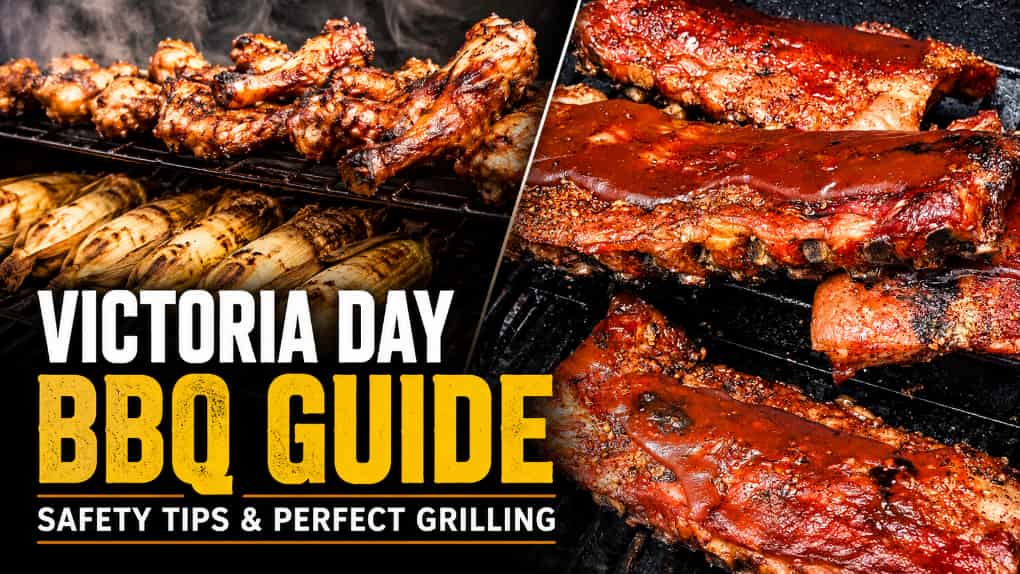
THUNDER BAY — The Victoria Day long weekend is the unofficial start of barbecue season across Northwestern Ontario, from backyard decks in Thunder Bay to camps on Lake of the Woods, Rainy Lake and Lake Superior.
Before the first burgers, chicken or steaks hit the grill, safety experts say propane barbecues need a careful spring check — and cooks should rely on thermometers, not guesswork, to keep food safe.
Start With The Propane Safety Check
After a long winter, a propane barbecue should not be treated as ready to go simply because it worked last fall.
The Technical Standards and Safety Authority recommends a three-step seasonal check: clean the burner ports and tubes to remove rust, dirt, spider webs or other debris; inspect the hose from the tank to the burner and replace it if cracked or damaged; and test propane connections and hoses with a 50-50 solution of water and dish soap. Bubbles can indicate a leak, meaning the connection should be tightened or the damaged part replaced before retesting.
For Northwestern Ontario households, that check matters. Barbecues are often stored in sheds, garages or under covers for months through freeze-thaw cycles, blowing snow and spring moisture.
A few minutes of inspection can prevent a dangerous flareup on a deck, at a camp or outside a trailer.
Light It The Right Way
Before lighting, place the barbecue on level ground, away from combustible materials, and open the lid. TSSA advises turning on the tank valve first, then the grill controls, before pressing the igniter. If the burner does not light right away, turn the gas off, keep the lid open and wait five minutes before trying again.
Never lean over the grill while lighting it.
Propane barbecues are for outdoor use only. TSSA and the Canadian Propane Association warn they emit carbon monoxide, a colourless, odourless gas that can be deadly in enclosed spaces. Never barbecue inside a garage, tent, enclosed porch or camper. Propane cylinders should also be used and stored outdoors, upright and in a well-ventilated area.
Keep Children, Pets And Combustibles Away
Once the grill is lit, stay with it. Barbecues should not be left unattended, and children and pets should be kept at a safe distance. Keep loose clothing, hand sanitizer, paper towels, wooden fencing, siding and other combustible items away from the heat. TSSA specifically warns that alcohol-based hand sanitizer is highly flammable and should not be used close to a hot barbecue.
If a grease fire starts, do not throw water on it. Water can spread burning grease. Keep the grill clean to reduce grease buildup, turn off the burners if it is safe to do so, close the lid to cut off oxygen, and use an appropriate fire extinguisher if needed.
When cooking is finished, the Canadian Propane Association recommends turning off the propane tank valve first, then turning off the burner controls. That helps ensure propane is not left in the hose. Let the barbecue cool completely before closing the lid or putting on a cover.
Heading To Camp? Transport Propane Carefully
Many long-weekend trips in the region include a propane cylinder in the back of a truck or SUV.
Transport Canada says barbecue and camping propane cylinders are considered dangerous goods, but an exemption allows people to transport up to 150 kilograms of dangerous goods, with each cylinder no larger than 46 litres.
A typical barbecue cylinder is about 21 litres and weighs about 18 kilograms when full.
Cylinders should be upright, secured so they cannot roll or tip, kept out of closed trunks, kept away from heat and direct sunlight, properly sealed and transported in a ventilated vehicle.
Anyone heading to a provincial park, private campground or remote camp should also check fire restrictions before leaving. Ontario Parks says fire bans can change with rainfall and heat, and its alerts include fire bans and other park notices. During a full fire ban, propane or gas barbecues with a shut-off valve may be permitted, while charcoal, briquette, wood and pellet barbecues are not.
Food Safety: Use A Thermometer, Not Colour
A great barbecue is not just about flavour. It is also about cooking food safely.
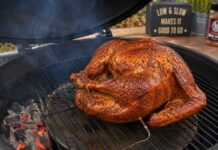
Health Canada’s safe internal cooking temperatures are clear: ground beef burgers should reach 71 C, chicken pieces should reach 74 C, whole poultry should reach 82 C, and steaks or roasts of beef, veal or lamb should reach at least 63 C for medium-rare, 71 C for medium and 77 C for well done. Mechanically tenderized beef should reach 63 C and be turned at least twice during cooking.
For hunters and families serving wild game, Health Canada lists 74 C for ground game meat, ground venison, sausage, deer, elk, moose, caribou and game birds. That is especially relevant across Northwestern Ontario, where venison, moose and other wild game may be part of family meals.
Health Canada also advises keeping cold food cold and hot food hot, sanitizing cutting boards and utensils, and preventing food from sitting in the temperature danger zone where bacteria can grow quickly.
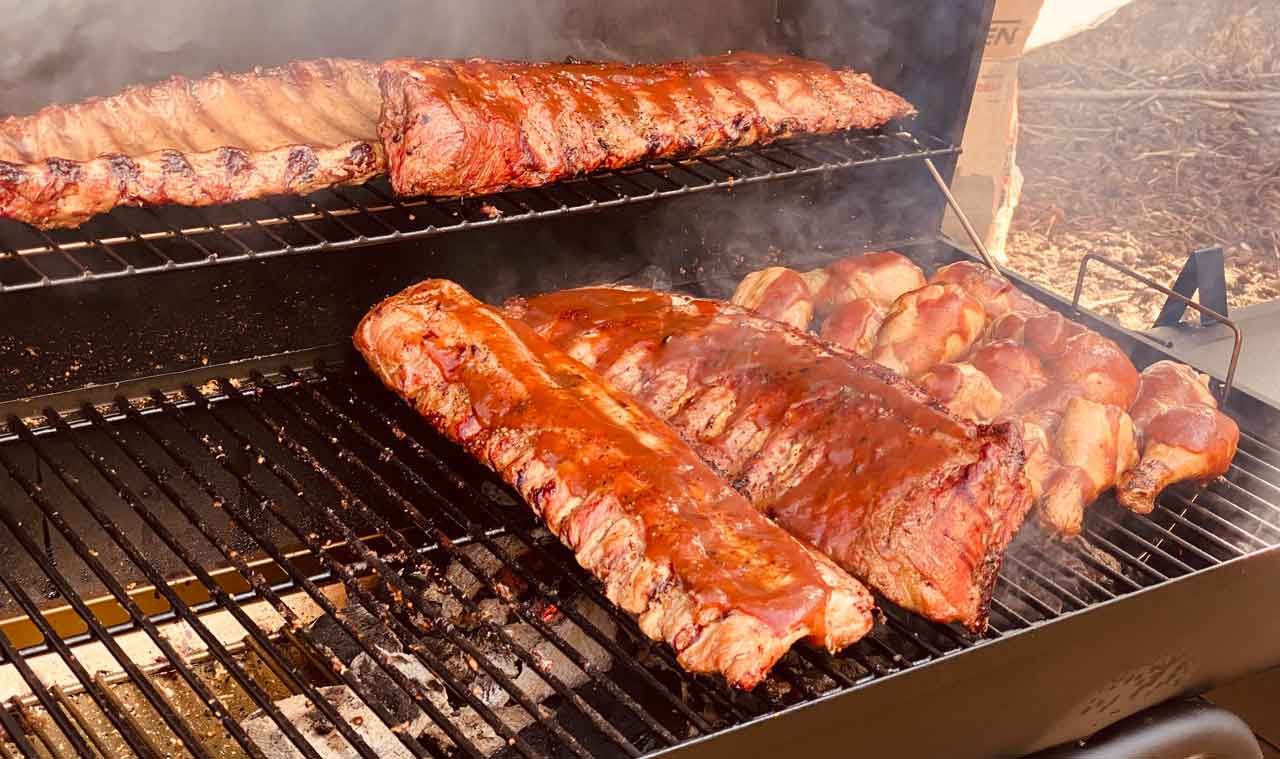
Barbecued Pork Ribs – a Family Favourite
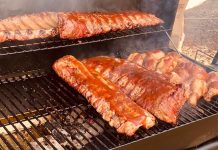
For perfect ribs on the barbecue, start with the right preparation. Remove the thin silver skin from the back of the rack so smoke, seasoning and heat can penetrate evenly. Pat the ribs dry, then season with a dry rub built around salt, pepper, paprika, garlic powder, onion powder and a little brown sugar. Let the ribs rest in the refrigerator for at least an hour, or overnight for deeper flavour. Before they go on the grill, bring them closer to room temperature while the barbecue preheats.
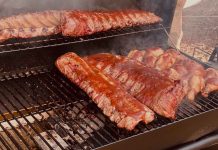
The best ribs are cooked low and slow over indirect heat, not blasted over open flame. Set up the barbecue with one side hot and the other side cooler, then place the ribs on the cooler side, bone-side down. Keep the lid closed as much as possible and aim for steady, moderate heat. A small smoker box with wood chips can add campfire flavour without overpowering the meat. Ribs are ready when the meat has pulled back from the bones and a rack bends easily when lifted with tongs. While pork is safe at 71 C, ribs usually become tender at a higher temperature after slow cooking.
Sauce should be added near the end, not at the start. Most barbecue sauces contain sugar, which can burn if applied too early. Brush the ribs during the final 10 to 15 minutes of cooking, turning carefully to build a glossy, sticky finish. Let the rack rest for several minutes before slicing between the bones. Serve with classic backyard sides such as coleslaw, potato salad, grilled corn or baked beans, and keep extra napkins close — properly cooked ribs should be tender, smoky, slightly charred and just messy enough to feel like the long weekend has truly arrived.
How To Make Better Burgers
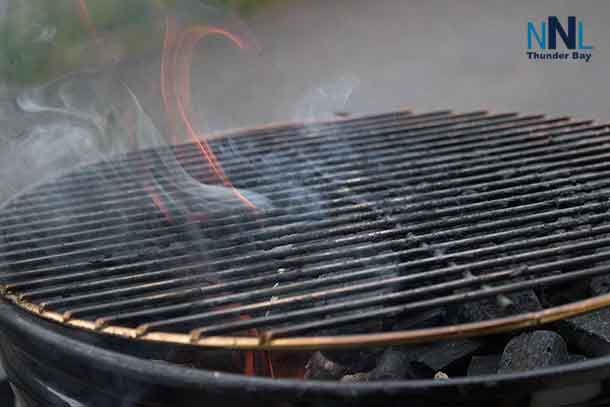
For juicy hamburgers, start with cold ground meat and handle it gently. Overworking the meat can make burgers dense. Form patties slightly wider than the bun because they shrink on the grill, then press a shallow dimple into the centre of each patty to help it cook evenly.
Season the outside just before grilling. Put patties on a hot, clean grill and avoid pressing them down with a spatula, which squeezes out juices and can cause flareups. Flip once or twice as needed, but do not rely on colour alone. Canada Beef notes that ground beef should be cooked to 71 C and that colour is not a reliable indicator of doneness.
Cheese should go on during the final minute of cooking. Toasting the buns lightly over indirect heat adds texture without drying them out. For a Northwestern Ontario touch, top burgers with sautéed onions, sharp cheddar, pickles, local greens or a smoky barbecue sauce.
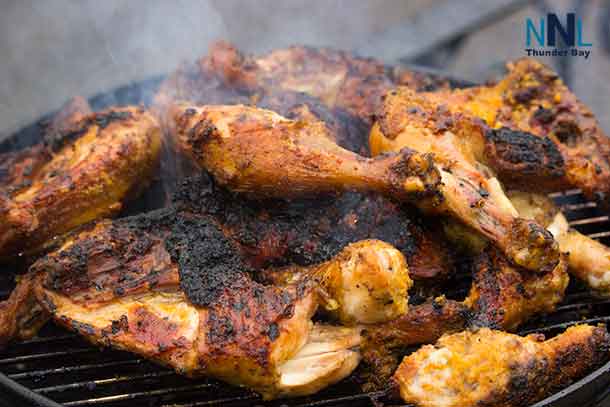
How To Grill Chicken Without Drying It Out
Chicken benefits from planning. A simple marinade of oil, lemon juice or vinegar, garlic, herbs, salt and pepper can add flavour, but raw chicken marinade should not be reused as a sauce unless it has been boiled.
For bone-in chicken, use a two-zone grill: sear over medium direct heat, then move the pieces to indirect heat to finish cooking. This helps prevent burnt skin and undercooked centres. Brush sweet barbecue sauce on near the end so the sugar does not burn.
Boneless chicken breasts cook quickly and can dry out. Pound thicker pieces to an even thickness, grill over medium heat, and pull them when they reach 74 C. Let the meat rest for a few minutes before serving.
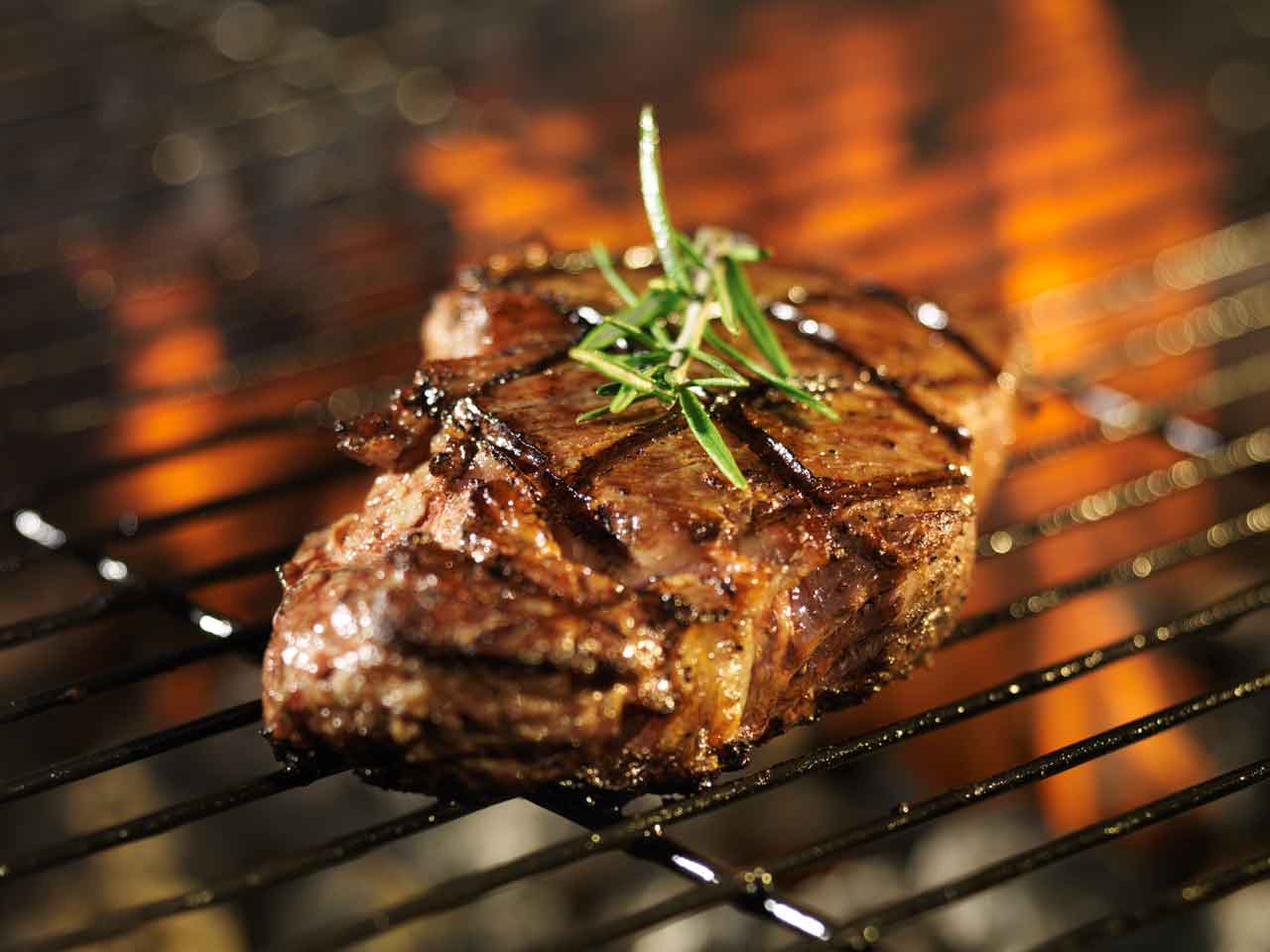
How To Cook A Steak That Wows The Table
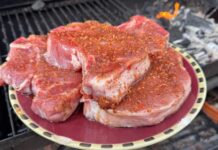
A good steak starts before it reaches the grill. Pat it dry, season generously and let it sit briefly while the grill heats. A dry surface helps create a better sear.
Use high heat for the initial sear, then move thicker steaks to a cooler part of the grill to finish.
Insert an instant-read thermometer sideways into the thickest part. Canada Beef recommends at least 63 C for medium-rare and says steaks should rest before serving.
Resting is not optional. Five to 10 minutes allows juices to redistribute, making the steak easier to slice and more tender on the plate. Finish with a little butter, cracked pepper or fresh herbs.
The Local Bottom Line
The May long weekend is a seasonal turning point in Thunder Bay and across Northwestern Ontario. It brings families back outside, opens camp kitchens and starts months of backyard meals.
The safest start is simple: inspect the propane system, leak-test the connections, keep the grill outdoors and attended, cook meat to the right internal temperature, and shut everything down properly.
Do that, and the first barbecue of the season can be remembered for the right reasons: good food, good company and the return of warm-weather dining across the northwest.