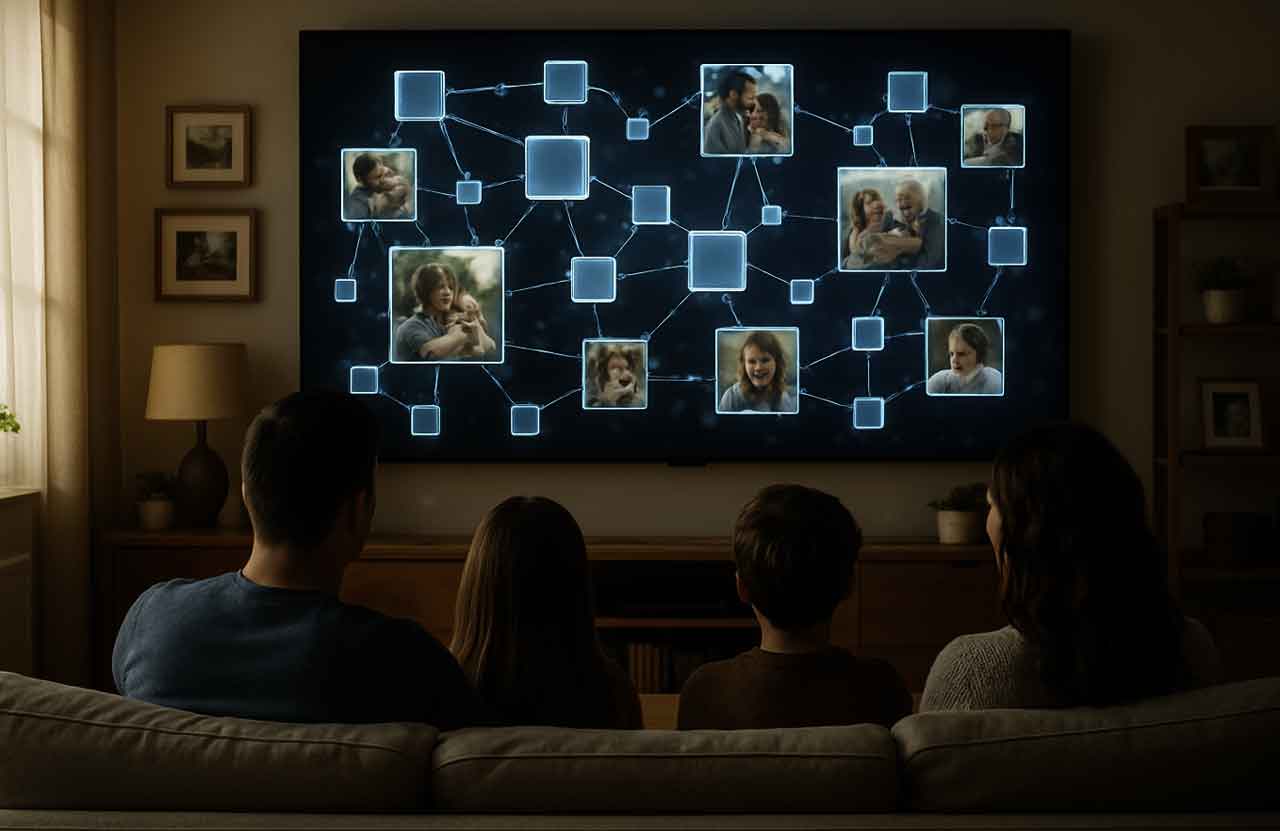
Over three million Bitcoin—worth hundreds of billions—have vanished forever. Not stolen by hackers, but locked behind passwords that died with their owners. Digital family photos disappear into cloud accounts nobody can access. Business assets become inaccessible digital ghosts. Baby boomers prepare to transfer $19 trillion in the largest generational wealth shift in history, yet a catastrophic vulnerability has emerged: digital assets simply disappear when people die.
Glenn Devitt recognized this crisis while analyzing cellphones left behind by deceased veterans during his work at Stop Soldier Suicide. Parents unlocking their children’s devices discovered cryptocurrency wallets, cloud storage accounts, and social media histories—intimate digital lives never meant for family consumption. The experience revealed a stark reality: current inheritance systems fail catastrophically when dealing with digital assets.
“Right now we’re at a point with our data where we give a hundred percent of our data or we give none of our data,” Devitt explained during his appearance on The Ed Clay Show. That binary reality—complete access or total lockout—creates digital inheritance disasters as more wealth and memories migrate online.
Former Army Intelligence veteran Devitt has developed patent-protected blockchain inheritance technology through Digital Legacy AI that directly addresses this crisis. His timing proves prescient given recent Federal Reserve data showing baby boomers now hold $17 trillion in home equity alone, with three-quarters planning to leave these assets to their children.
Digital Asset Crisis Reaches Breaking Point
Cryptocurrency inheritance failures demonstrate the scope of this problem. Approximately 1.57 million Bitcoin remains permanently inaccessible because owners died without sharing access credentials. Digital asset markets approaching $2.5 trillion encompass cryptocurrencies, online business accounts, and intellectual property stored in cloud systems that traditional inheritance methods cannot handle.
Estate planning attorneys report increasing client requests for digital inheritance assistance, yet lack standardized tools for managing online assets. Traditional legal frameworks were not designed for blockchain wallets, social media accounts, or cloud-based businesses that exist entirely in digital space.
Family photos stored on personal devices, voice messages from loved ones, and decades of digital correspondence are permanently lost when smartphones lock and encrypted hard drives become inaccessible. Digital natives will leave behind digital vaults that contain irreplaceable memories their children can never access.
Military Intelligence Principles Drive Civilian Innovation
Devitt’s solution stems directly from counterintelligence operations that required absolute security alongside reliable access under extreme conditions—his 11 years in Army Intelligence, including deployments to Iraq and Afghanistan, taught him that critical information systems must function flawlessly across decades and under unpredictable circumstances.
“I was really good at working open source intelligence back then or creative ways of getting data,” Devitt noted, describing capabilities refined through the Department of Homeland Security’s H.E.R.O. program training in digital forensics. Military operations required protocols where authorized personnel could access mission-critical information when needed, while maintaining complete security against unauthorized access—exactly what inheritance systems require.
His systematic thinking, demonstrated through the Black Box Project’s $250,000 Department of Veterans Affairs Mission Daybreak funding, applied intelligence-gathering principles to identify patterns and build predictive systems. “You can’t rescue your way out of this problem,” Devitt explained, emphasizing systematic solutions over individual interventions.
This methodical framework enables Digital Legacy AI to anticipate user needs and automate inheritance processes without compromising security protocols developed through forensic analysis of sensitive digital evidence.
Patent Breakthrough Addresses Core Security Challenge
Devitt’s patented system addresses the fundamental challenge that has plagued digital inheritance: maintaining absolute security during an owner’s lifetime while enabling verified access after death. His U.S. patent creates automated processes that authenticate death certificates and transfer assets directly to verified heirs without exposing sensitive information to unauthorized access.
The technology transforms digital storage from static repositories into dynamic inheritance systems. Rather than simply holding data until someone dies, the platform actively manages transition processes through secure verification protocols that confirm identity, validate legal authority, and execute predetermined distribution instructions.
Centralized password managers or cloud-based inheritance services create single points of failure, while Devitt’s distributed framework ensures no single breach can compromise entire estates. The system satisfies probate requirements while managing assets that most estate attorneys cannot handle technically.
Alcohol Armor Demonstrates Entrepreneurial Range
Devitt’s entrepreneurial versatility extends beyond digital inheritance technology to consumer health products. Alcohol Armor, co-founded with fellow veteran Jameson Govoni, emerged from their operational experience requiring peak performance despite social obligations during global missions.
“We thought there had to be a solution to waking up not affected by drinking the night before,” Devitt recalls. The two-ounce functional beverage combines activated charcoal, NAC (N-acetylcysteine), and botanical extracts to neutralize alcohol’s toxic effects before hangovers develop.
Alcohol Armor has secured distribution across Las Vegas’s elite hospitality properties, including the Wynn, Encore, and Caesars Resort World. This premium venue strategy creates viral marketing effects when users demonstrate the product’s effectiveness to friends in high-visibility social settings.
The venture demonstrates Devitt’s “force multiplier” business philosophy where individual users drive network effects. One person trying Alcohol Armor at an upscale venue typically influences multiple friends to purchase, creating exponential growth patterns that scale beyond traditional marketing methods.
Market Timing Capitalizes on Generational Wealth Transfer
The timing of Devitt’s patent protection coincides with unprecedented demographic shifts. Recent Freddie Mac analysis reveals baby boomers hold 50% of the nation’s home equity, totaling $17.3 trillion, with 75% planning to leave these assets to family members. Total boomer wealth increased by $19 trillion since the pandemic, with half attributed to house price appreciation.
Millennials stand to inherit approximately $46 trillion through 2048, yet portions exist in digital formats requiring technical intervention for access. New IRS regulations mandate individual wallet reporting for inherited cryptocurrency starting January 2025, making digital legacy planning both a legal and financial necessity.
Competitors focus on password management or simple digital vaults, while Devitt’s system integrates legal compliance frameworks designed for complex multigenerational estates. Federal patent protection positions Digital Legacy AI uniquely during regulatory framework development around digital inheritance.
The household model creates network effects that accelerate adoption during generational wealth transfer. When one family member establishes inheritance protocols, parents, siblings, and children typically follow to coordinate digital asset management across connected accounts.
Consumer Technology Strategy
Devitt’s transition from government contracting through Delitor Inc. to consumer products reflects recognition that scalable impact requires systematic solutions rather than individual interventions. His former company advised governments globally on exploiting data to track criminals, but growth remained constrained by the consultative model’s inherent limitations.
Both Alcohol Armor and Digital Legacy AI represent “force multiplier” concepts where individual adoption drives broader network effects. Digital Legacy AI’s family-oriented structure means one subscriber typically brings multiple relatives into the platform through shared inheritance planning needs.
“The more people in this fight, the more we grow,” Devitt explained during his Change Agents podcast appearance. This collaborative philosophy extends beyond business strategy to product development, where verification systems require family participation to function effectively.
The platform launches with accessible storage tiers while maintaining enterprise-grade security protocols. Users pay for storage and management services during their lifetime, but beneficiaries receive permanent access to inherited content without ongoing fees, ensuring long-term preservation regardless of economic changes.
Regulatory frameworks mature and new digital asset types emerge, Devitt’s early patent protection establishes foundational intellectual property for continued innovation. The technology positions families to navigate digital inheritance challenges that don’t yet exist, ensuring that memories, assets, and knowledge transfer successfully across generations through systems designed by a veteran who understood that protecting what matters most requires both technical precision and operational reliability.