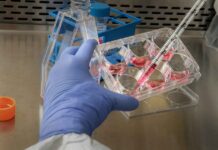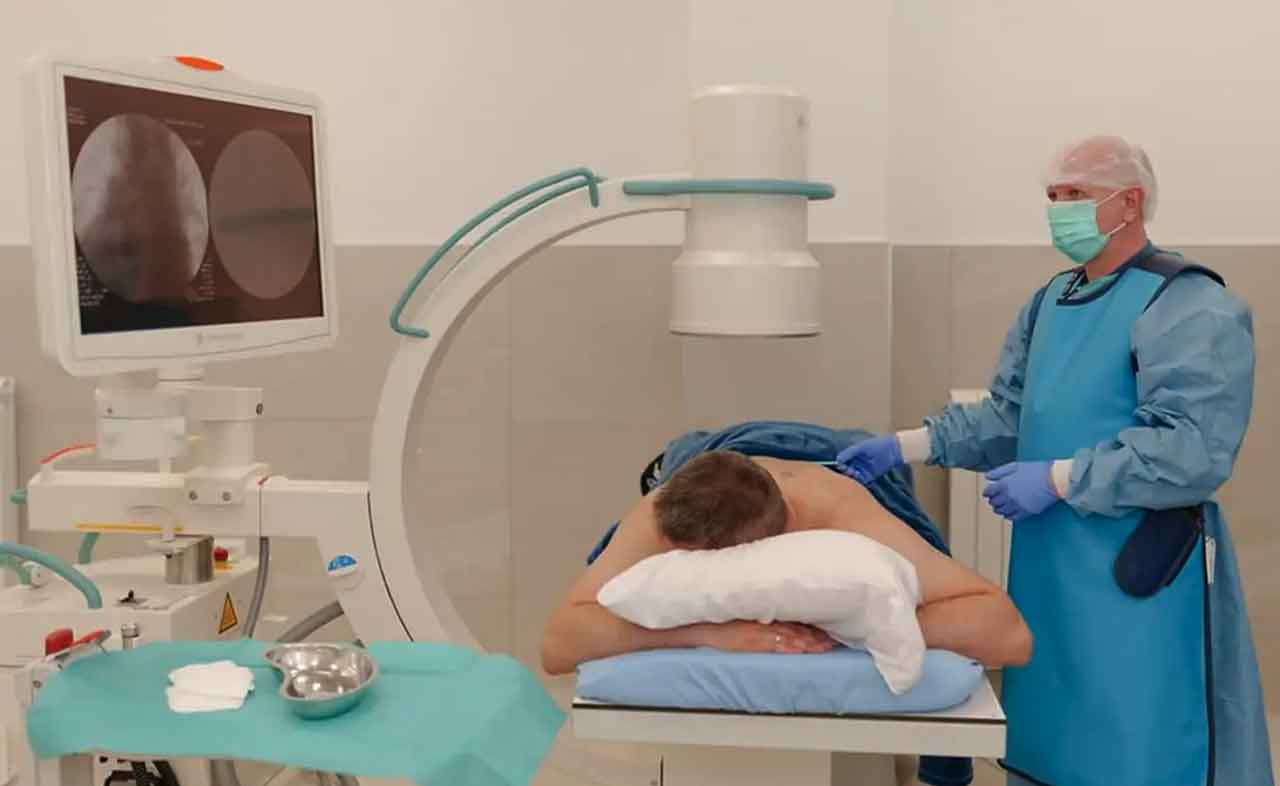
The review of more than 70 clinical trials demonstrates that stem cell therapy with mesenchymal stromal cells (MSCs) represents a safe and effective treatment for chronic pain and degenerative conditions.
The European Society for Regenerative Medicine published research in June 2025, which validates stem cell therapies for osteoarthritis treatment, as well as degenerative disc disease and sports injuries.
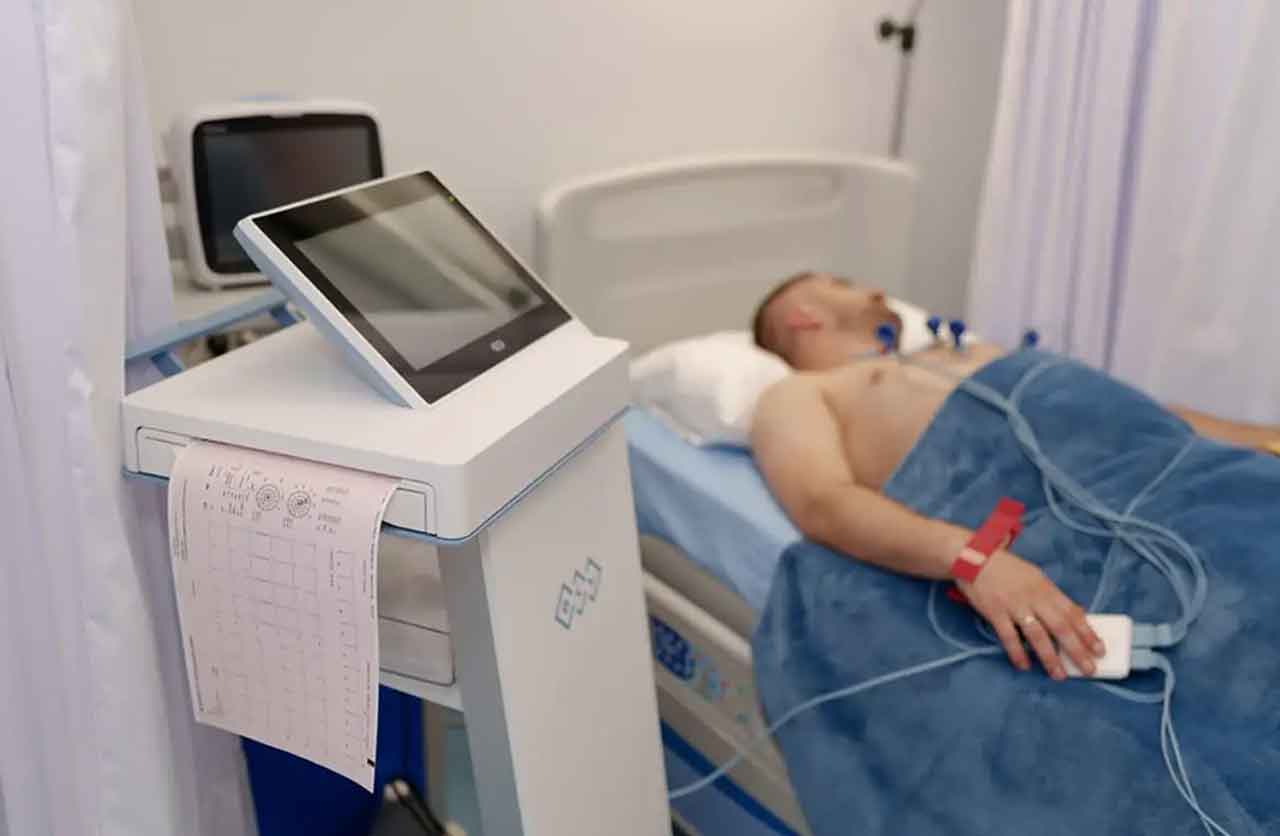
European Society Review Findings on Stem Cell Therapies
The European Society’s analysis reviewed stem cell procedures in Europe, Asia, and North America from 2015 to 2024. While it included embryonic stem cells, induced pluripotent stem cells (iPSCs), and MSCs, MSC treatment was found to be the safest option.
“The findings are also in line with our observations during practice,” stated Dr. Karin Hoffmann, Zurich-based specialist in regenerative medicine. “The risk of adverse effects is low when patients get MSC therapy in GMP-certified centers, and the donors and patients require proper screening.”
The use of embryonic stem cells and iPSCs faces challenges, including tumor risks and ethical concerns. In contrast, MSCs offer a better safety profile, as they are sourced from the patient’s bone marrow, fat, or approved placental tissue donors.
Why Safety is Crucial in Stem Cell Therapy
Stem cells demonstrate the ability to fix damaged tissues while decreasing swelling and potentially bringing back mobility, but their safety depends on the cell type and clinical standards. Osteoarthritis affects more than 500 million people worldwide and stands as the primary reason for mobility deterioration. The current treatments for osteoarthritis, including anti-inflammatory medications and steroids, and surgery, remain expensive and invasive while providing short-term benefits. Swiss stem cell therapy functions as a non-invasive regenerative treatment option.
“Stem cell therapy not only restores damaged cells,” says Dr. Hoffmann. “It also encourages the body to heal itself, creating a healthier environment for recovery.”
How MSCs Work Within the Stem Cell Field
MSCs, a leading form of adult stem cell therapy, work by releasing biochemical signals that encourage nearby tissues to repair themselves. This can:
- Reduce harmful inflammation
- Stimulate new blood vessel growth (neoangiogenesis)
- Regulate immune and nervous system signaling
A 2023 review in JAMA Neurology found that MSCs effectively promote stable tissue regeneration.
Process and Standards Make the Difference
The review emphasized that even the safest stem cell type can be risky if not handled properly. All stages, from donor screening to cell administration, must adhere to Good Manufacturing Practice (GMP) standards. In GMP-certified labs, donor tissue is rigorously tested for contamination and genetic stability.
Doctors evaluate patients through medical history, lab work, and specific imaging before approval.
“A properly controlled clinical environment minimizes risk and optimizes benefit,” Dr. Hoffmann said. “The difference between a safe, effective procedure and a dangerous one often comes down to how rigorously these steps are followed.”
The Role of Exosome Therapy
Another new component in terms of stem cell treatment is exosome therapy. Exosomes are small vesicles that carry proteins, RNA, and other molecular instructions that can promote repair and lessen inflammation of surrounding tissues.
A 2024 study in the Journal of Regenerative Biology found that exosome therapy may extend the lifespan of MSC interventions and enhance tissue healing for weeks or months after treatment. Because they rarely cause immune rejection, exosomes are often used as follow-up therapy, even at home under medical supervision.
Clinical Perspectives on Stem Cell Applications
There is more clinical evidence and consistent research bringing stem cell therapy nearer to mainstreamization.
According to a recent review by Li and Bai (2025), the use of combination therapies, including pairing MSC therapy with exosome treatments and preconditioning strategies, may enhance patient outcomes.
Dr. Hoffmann warned, however, that stem cells are not a magic bullet. Yet applied responsibly and morally, they can make a positive difference in the quality of life.
In Conclusion
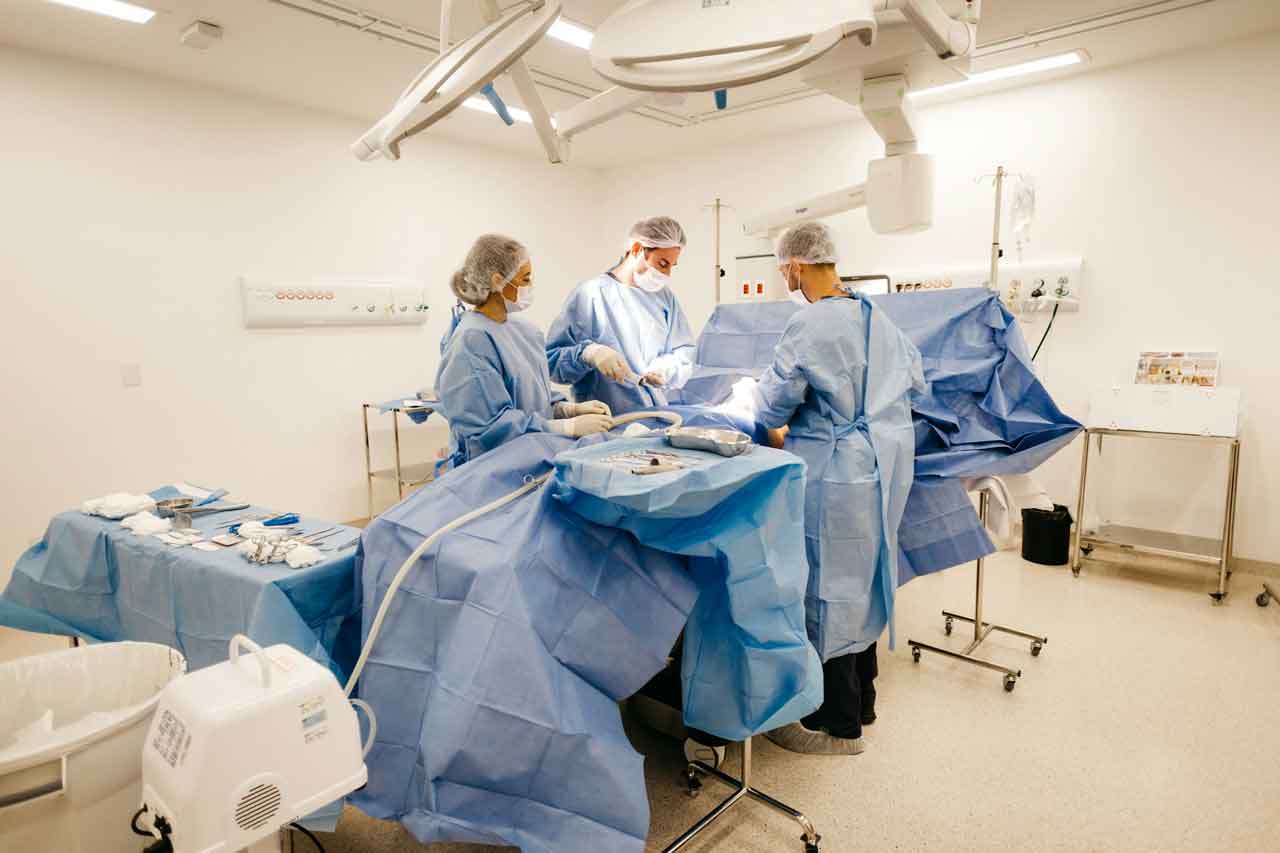
The European Society of Regenerative Medicine conducted a 2025 review, which demonstrated that MSC-based stem cell therapy remains safe when patients receive it under proper medical oversight. The growing number of osteoarthritis cases will drive up the need for evidence-based regenerative medicine solutions that are safe for patients. Patients need to select qualified providers while checking their qualifications and choosing treatments that have been proven through clinical research.