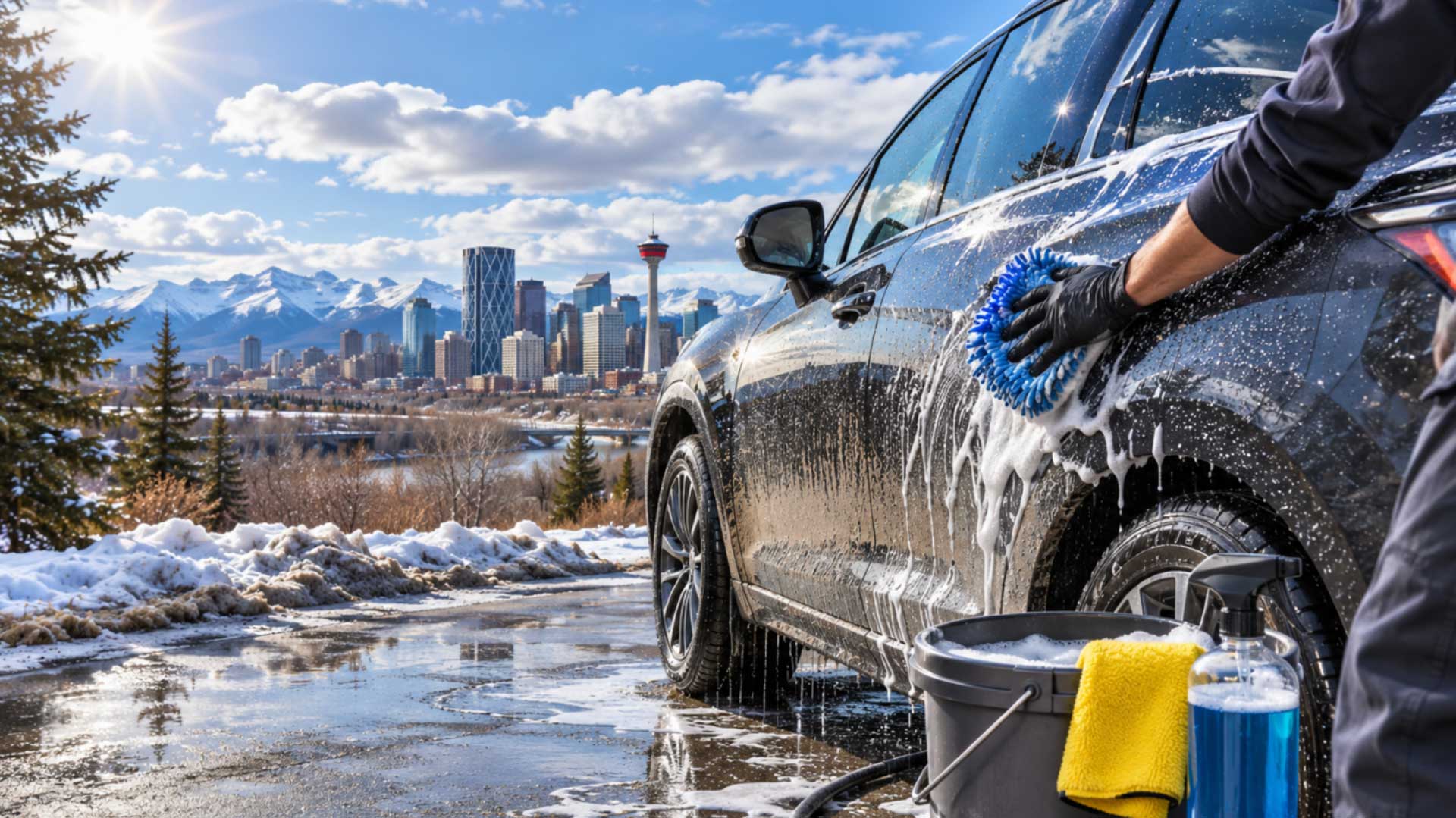
Vehicle owners in Calgary face a wide range of environmental conditions year-round. Winter road treatments, spring mud, summer dust, and autumn debris all affect the cleanliness and condition of vehicle exteriors.
Developing a suitable washing routine requires an understanding of these seasonal challenges. Different cleaning methods can help motorists manage contamination while protecting their vehicles’ painted surfaces.
The Importance of Regular Vehicle Washing
Vehicle exteriors face contaminants every time a car is driven.
Road grime can contain dirt, moisture, oils, and chemical residues. These substances may accumulate on painted panels, wheels, and lower bodywork.
In winter, de-icing materials add another concern. Combined with moisture, road salt can contribute to corrosion in areas where protective coatings have been compromised.
Regular washing removes built-up contaminants and makes it easier for drivers to inspect their vehicles.
Drivers searching online for “automatic car wash near me” may be considering a convenient way to maintain their vehicles during Calgary’s changing weather conditions.
Understanding Touchless Car Washing
Touchless washing is an automated cleaning method that uses specialized detergents and high-pressure water rather than physical brushes.
The detergent loosens dirt and road film, while pressurized water removes contaminants from the vehicle’s exterior.
This approach reduces direct contact between washing equipment and painted surfaces.
Drivers searching for “touchless car wash Calgary” may prefer brush-free cleaning, especially when maintaining vehicles with sensitive exterior finishes.
Touchless systems can be effective for routine cleaning, but performance depends on equipment quality, detergent formulation, and the level of contamination.
Managing Winter Road Salt
Winter is one of the most demanding seasons for vehicle maintenance in Calgary.
Road salt and other de-icing materials are used to improve driving conditions. However, these substances can accumulate on vehicle surfaces during repeated trips.
Lower panels, wheel wells, and exposed underbody areas are particularly susceptible.
Regular rinsing helps remove salt deposits before they accumulate excessively.
Drivers should not assume a single wash eliminates all contamination. Vehicle condition, road exposure, and the cleaning equipment used can influence the result.
When washing during freezing temperatures, motorists should also consider the potential for water to freeze around door seals, locks, and other exterior components.
Spring Cleaning After Winter
Spring offers an opportunity to remove the grime accumulated from winter driving.
As temperatures rise, vehicles may still carry road salt, mud, and debris from previous months.
A thorough exterior wash can help restore appearance and make paint damage easier to spot.
Drivers should inspect wheel arches, lower doors, and other areas where contaminants commonly collect.
Spring cleaning is also an appropriate time to assess protective coatings and consider whether additional paint protection is needed.
Summer Dust and Insect Removal
Summer driving introduces different challenges.
Highway travel exposes vehicles to insects, dust, and airborne debris. Insect residue can adhere strongly to front bumpers, mirrors, and windshields.
Removing these contaminants regularly helps maintain appearance and visibility.
Drivers should avoid scraping dried insect residue with sharp objects. Automotive cleaning products designed for this purpose can help loosen deposits without unnecessary abrasion.
Washing vehicles in shaded areas or during cooler periods may also reduce the likelihood of water spotting.
Choosing a Suitable Washing Frequency
The ideal washing frequency depends on several factors.
Daily commuters may need more frequent cleaning than motorists who drive occasionally. Vehicles exposed to construction sites, gravel roads, or heavy winter traffic may also need more frequent washing.
Rather than following a strict calendar, drivers can monitor their vehicles’ condition and adjust their cleaning routine accordingly.
Visible dirt, accumulated road salt, and reduced visibility are useful indicators that washing may be necessary.
Protecting Exterior Finishes
Proper washing technique is important regardless of the cleaning method.
Drivers should follow equipment instructions and avoid directing high-pressure water too closely at sensitive components.
Paint protection products may offer additional resistance to certain environmental contaminants, although performance depends on the product and maintenance conditions.
Regular inspections can also catch scratches, paint chips, and damaged trim before they become more noticeable.
Final Thoughts
Calgary’s climate makes vehicle washing a practical component of ongoing maintenance. Seasonal changes introduce different contaminants that require appropriate cleaning practices year-round.
By adjusting cleaning routines to seasonal conditions, choosing suitable washing equipment, and removing contaminants regularly, motorists can support their vehicles’ appearance and exterior condition.
A consistent washing approach helps manage the effects of everyday driving and creates opportunities to spot maintenance issues throughout the year.