Recycling plays an important role in reducing waste and protecting natural resources. Beverage containers, including plastic bottles, aluminum cans, and glass packaging, are commonly used in households and businesses. When these materials are discarded instead of returned for recycling, valuable resources are lost, and unnecessary waste is sent to disposal facilities.
Accessible recycling facilities make it easier for residents to participate in responsible waste management. By providing convenient collection points, communities can encourage better recycling habits and improve the recovery of reusable materials.
Why Accessible Recycling Facilities Matter
Convenience is a key factor in whether people recycle regularly. When collection facilities are hard to reach or have inconvenient hours, households may be less likely to return empty containers.
Residents searching online for “bottle depot Calgary” can compare collection options and choose facilities that best suit their location and household needs.
Accessible collection points help simplify the recycling process. They provide a designated place where eligible beverage containers can be returned, sorted, and prepared for further processing.
Understanding the Beverage Container Recycling Process
Beverage container recycling involves several stages that help recover materials and prepare them for reuse.
Collection
The process begins when consumers bring eligible empty beverage containers to designated collection facilities. Households, businesses, and community organizations can all contribute by collecting and returning used packaging.
Sorting
Once containers reach a collection facility, they are organized according to material type. Plastic, glass, and aluminum require different handling procedures, so proper sorting is an important part of the process.
Transportation
After sorting, recyclable materials are prepared for transportation to appropriate processing facilities. Efficient transportation helps ensure that collected materials reach the next stage without unnecessary delays.
Processing and Recovery
At recycling plants, materials undergo processing to prepare them for manufacturing applications. Recovered materials can then become inputs for producing new packaging and other products.
Environmental Benefits of Recycling Beverage Containers
Recycling facilities support environmental protection by reducing the amount of waste sent to landfill.
Reducing Landfill Pressure
Beverage containers make up a portion of everyday household waste. Returning eligible packaging helps divert these materials from general rubbish disposal.
Reducing recyclable waste can also help communities manage landfill capacity more effectively.
Conserving Natural Resources
Manufacturing new packaging often requires raw materials such as petroleum, minerals, and sand. Recovering existing materials helps reduce the demand for additional natural resources.
Supporting Energy Efficiency
Manufacturing products from recovered materials can require less energy than producing them entirely from raw resources, depending on the material and processing method.
These savings can contribute to more sustainable manufacturing practices.
Finding Suitable Recycling Options Nearby
For households uncertain about local return options, searching for “bottle recycling near me” can help identify facilities that accept refundable beverage containers. Checking accepted materials and operating hours beforehand can make the trip more efficient.
Residents can also explore this guide to the 5 best bottle depots in Calgary for quick cash returns to compare local options and find a convenient location for returning eligible beverage containers.
When comparing facilities, consider:
- Location and accessibility.
- Operating hours and return arrangements.
- Types of beverage containers accepted.
- Parking and transportation convenience.
- Instructions for preparing containers before arrival.
Checking these details beforehand can make returns easier, especially for households collecting larger quantities.
Encouraging Community Participation
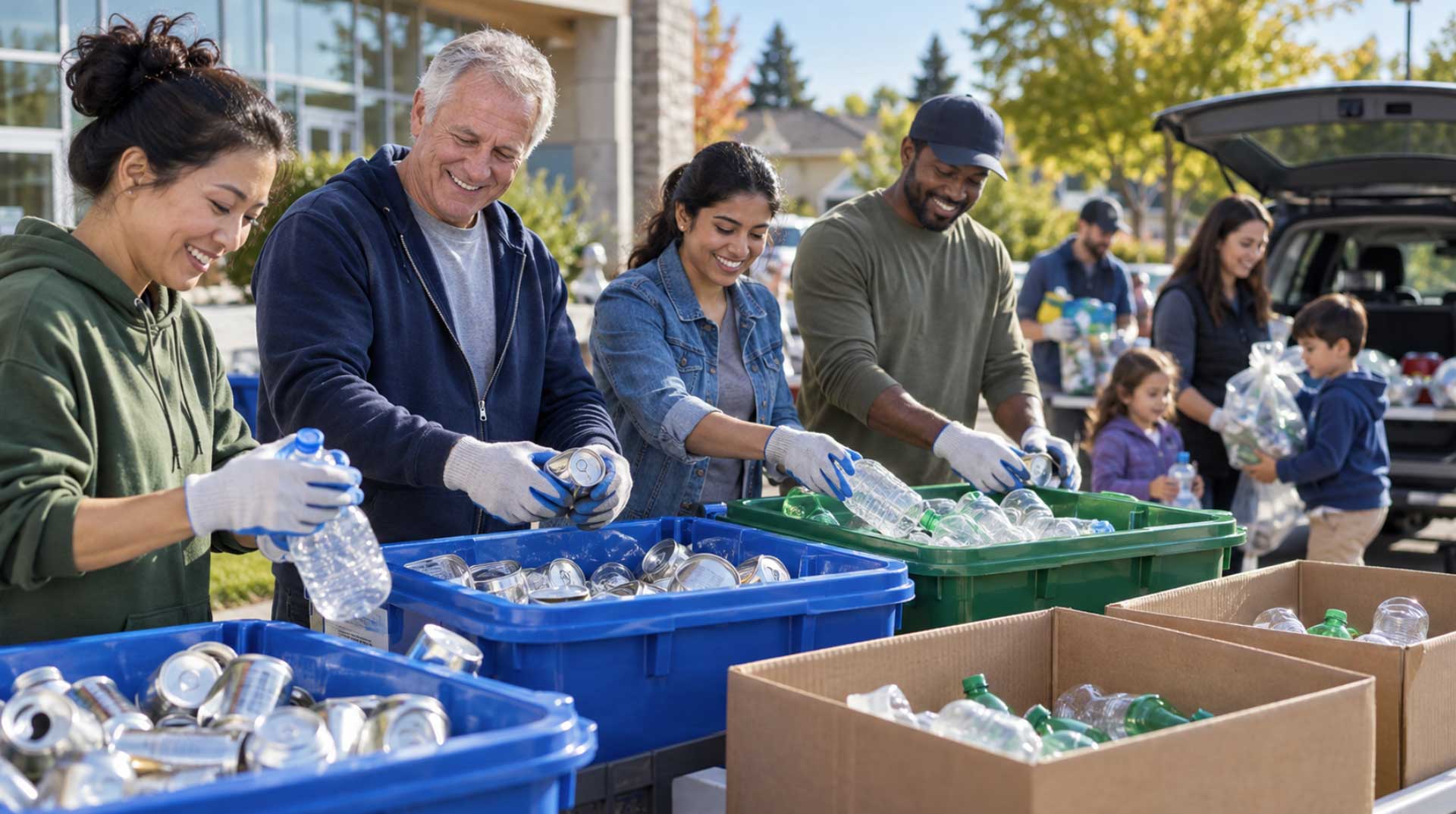
Community involvement is essential for maintaining effective recycling programmes. Families, schools, businesses, and neighbourhood organizations can all contribute by developing consistent collection habits.
Schools can introduce recycling activities that teach students about reducing waste and conserving resources. Businesses can provide clearly labelled collection areas for eligible beverage containers, making responsible disposal easier for employees and customers.
Community groups can also organize collection activities that encourage residents to participate while supporting local fundraising initiatives.
Practical Ways to Improve Household Recycling
Simple changes can make recycling more manageable.
- Keep a dedicated container for empty beverage packaging.
- Separate different materials according to collection guidelines.
- Empty containers before storing them.
- Arrange regular trips to collection facilities.
- Teach household members which packaging can be returned.
These habits reduce confusion and make participation easier over time.
Final Thoughts
Accessible recycling facilities play an important role in supporting responsible waste management. By providing convenient collection points, they encourage residents to return eligible beverage containers and help recover valuable materials.
Through regular participation, household preparation, and community involvement, Calgary residents can help reduce landfill waste, conserve natural resources, and support a more sustainable recycling system.