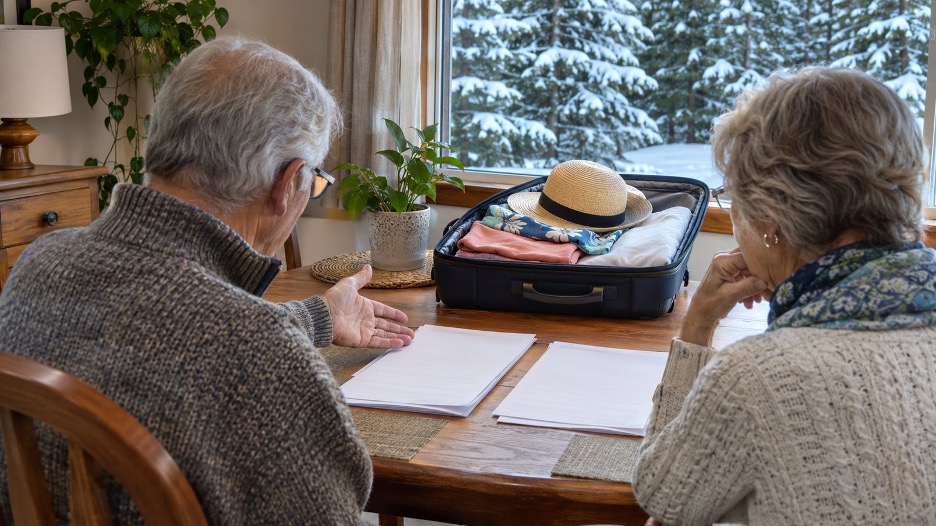
For many Northwestern Ontario residents, spending winter somewhere warmer means planning a stay that lasts weeks or months, not a typical holiday. Insurance should reflect that difference. When comparing a single trip or annual policy and deciding which is better, start with your departure and return dates.
One long winter stay creates different needs from several shorter visits south. The right choice depends on trip length, health requirements and whether you expect to return to Ontario between journeys.
Start With Your Winter Travel Pattern
A couple leaving Thunder Bay for several months in the United States may need continuous coverage for one extended absence. Someone visiting family south of the border several times over winter has a different pattern. Write down every planned departure and return, including possible spring or summer trips. Those dates matter more than the name of the insurance plan.
If you drive south, include overnight stops and ask when coverage begins, especially if your route crosses provincial borders before entering the United States. Before selecting international travel insurance, check that the policy is available to Ontario residents and includes the countries you will visit.
When a Single-Trip Plan Makes Sense
A single-trip plan covers one journey between specified dates. It can suit snowbirds who leave once in autumn and return in spring without making separate journeys home. Choose dates that cover the complete absence, including travel days. Also ask whether a brief return to Ontario changes the policy, because some single-trip contracts treat that return as the end of the journey.
If your trip ends later than expected, you may need an extension. Ask the insurer whether extensions are permitted, when you must request one and whether health changes affect approval. Do not assume the original policy continues after its end date.
When an Annual Plan Makes Sense
An annual multi-trip plan can cover several journeys during its policy year. This may work well if you return to Ontario between trips or also travel at other times of the year. The important condition is the maximum length of each trip.
A policy lasting a full year does not necessarily protect you through a continuous winter stay. Some plans allow additional days through a top-up, subject to the insurer’s terms. Count consecutive days outside your home province before selecting this option.
Compare the Options Against Your Plans
The table below compares both plans to help you choose suitable coverage based on your travel needs.
| Decision Point | Single-Trip Plan | Annual Multi-Trip Plan |
| Travel pattern | One continuous journey | Several separate journeys |
| Coverage dates | Defined departure and return | Policy year with per-trip limits |
| Longer winter stay | Match cover to full stay | Check trip limit or top-up |
| Additional travel | Separate cover may be needed | Eligible trips may already be included |
Do not compare quotations without matching medical benefits, deductibles, destination coverage and the number of covered days. The lower quoted premium is not necessarily the better choice for a lengthy stay.
Check Ontario Health Coverage Before You Leave
OHIP provides only limited payment for qualifying emergency services outside Canada and does not cover transportation back to an Ontario hospital.
Private travel insurance should be considered for emergency treatment and medical evacuation. If you will be away for an unusually long period, check Ontario’s residency requirements for retaining OHIP eligibility before departure.
Review Health Conditions and Emergency Support
Declare medical information accurately, including medications and recent treatment changes. Insurers may apply a stability period to pre-existing conditions. Ask how changes before departure or during an annual policy affect your coverage.
Look for emergency assistance, hospital treatment and medical transport benefits. Check whether the insurer must be contacted before certain treatment or transfers are arranged. A companion should know where policy details are stored in case you cannot contact the assistance team.
Final Thoughts
For one uninterrupted winter away, a single-trip policy may fit more naturally. For several shorter journeys, an annual policy may be more convenient, provided each trip stays within its limit.
Northwestern Ontario snowbirds should confirm dates, OHIP status, medical terms and extension rules before leaving. Coverage always depends on the insurer’s eligibility requirements and policy conditions.