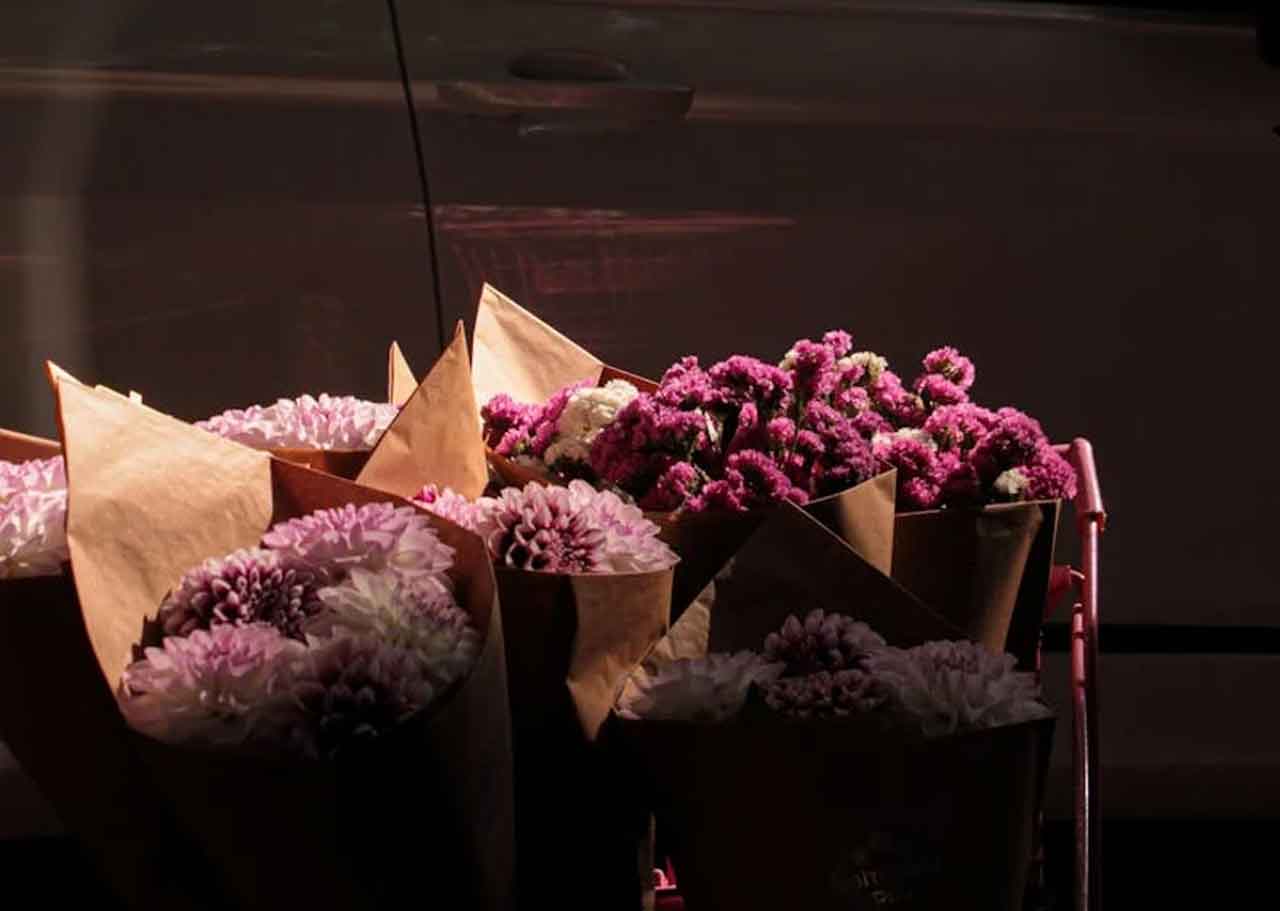
I once ordered birthday tulips at 4:40 p.m. on a Thursday and spent the next hour refreshing a tracking page like it was a stock ticker. That hour taught me more about picking a florist than a decade of buying bouquets ever did.
The short version: last-minute does not mean lower quality, it means narrower choices, and the shop you pick matters more than the arrangement you pick. You need to know three things before you spend a dime. Does the shop actually deliver today, what is standing in their cooler right now, and who answers when a stem shows up bent. That is it. Everything else is decoration. When time is tight, a reliable national service like online flower delivery can carry you across the finish line, but only if you check the cutoff clock first.
Below is the system I use now, so a forgotten birthday stops being a small emergency and turns into a solve you can knock out in ten minutes.
What makes a florist actually last-minute ready?
A shop is last-minute ready when its cutoff is honest, its inventory is visible, and its guarantee is written in plain language. Most people skip all three and judge on the photo.
Here is the Florist Triage method I run in order. Think of it as triage, where the fastest, most reliable option gets treated first.
- T is for Today: confirm the delivery date in writing before checkout, not after. A “same-day” badge that quietly rolls your order to tomorrow is the most common trap.
- R is for Ready stock: ask what is cut and conditioned in the cooler right now. Fresh flowers need hydration time, so a shop that pulls stems straight from a delivery box is giving you a shorter vase life.
- I is for Identity: verify the shop is real. A phone number, a street address, and recent photos of their work beat a stock photo of roses on a marble counter every single time.
- A is for Arrival window: get the delivery window and the recipient’s phone number on the order. A bouquet that arrives at 8 p.m. at a closed office is a gift you paid for and never saw the light of day.
- G is for Guarantee: read the replacement policy before you pay. Good florists replace. Great ones replace without making you send three photos and a signed statement.
- E is for Ease of contact: call the shop. If a human picks up in under a minute, order from them.
Six checks, and the whole thing runs faster than reading a menu. I pick a local shop over a faceless order form nine times out of ten, because you can ask a person what is actually in the cooler. National services win when it is 6 p.m. and every local phone is ringing out, which happens more often than people expect.
Local shop, national service, or the grocery store?
Each option has a clear job, and picking the wrong one is why people end up disappointed.
| Option | Best for | What to watch
|
|---|---|---|
| Neighborhood florist | Thoughtful, custom arrangements and real design advice | Cutoffs can be early; call ahead and confirm stock |
| National delivery service | Same-day coverage, wide reach, easy checkout | Order cutoff times vary by zip code; verify before paying |
| Grocery store floral counter | True emergencies and walk-in pickup | Limited design range; inspect stems in person |
My honest take: start local, pivot national. A local florist can tell you that the peonies are spent but the ranunculus is gorgeous today. No algorithm will ever do that. But if the clock reads 5 p.m. and nobody is answering, a national service with confirmed same-day delivery to your recipient’s zip code is the smarter call, and there is no shame in it.
For the grocery store, save it for a genuine walk-in rescue. You can see the arrangement with your own eyes, which is worth something.
Why fresh stems matter more than the arrangement photo
Freshness is the whole ballgame with cut flowers. A modest bouquet of properly hydrated stems outlasts an elaborate arrangement built on tired stock every time.
Ask two questions when you call. When did these flowers arrive, and how long have they been conditioned in water? Good florists condition stems for hours before arranging them, because cut flowers need time to drink. According to the USDA, cut flowers are a perishable agricultural product that responds to temperature and handling, which is why the best shops keep their cooler cold and their water clean.
Then check the stems themselves when the arrangement lands. Firm green stems, no brown mush at the cut end, and leaves that are crisp rather than curling are good signs. Drooping heads or a sour smell in the water are not.
Here is a small thing that pays off. Ask for a bloom that is partly closed. It will open over the next day or two, so the birthday flowers look better on day three than day one. Florists will do this if you ask, and most people never do.
Where people lose money on a rushed order
The biggest leak in a last-minute order is the delivery fee stacking on top of a rush fee on top of a service charge. Add a vase and a card and you can double the sticker price without noticing.
The Federal Trade Commission advises shoppers to read order terms and understand what they are paying for before completing a purchase, and floral orders are a textbook case. Fees should be itemized, not buried in a total. Ask for the full charge in writing, including tax and delivery, and confirm whether the listed price is the delivered price or the arrangement price.
Second leak: ordering a design the shop cannot source that day. A florist who tells you they cannot get the exact blooms in your screenshot and offers a better substitute is doing you a favor. Listen to them.
Third leak: no recipient phone number on file. Drivers get locked out of buildings all the time. One phone number turns a failed delivery into a doorstep handoff.
My rule: if the total feels surprising, ask what is in it. A good shop breaks it down without attitude.
A ten-minute plan you can run right now
Open a notes app and work down this list. Do not skip ahead.
- Write the recipient’s full address, zip code, phone number, and the best delivery window.
- Search for florists within delivery range of that address. Use a map, not a directory, so you see the neighborhood.
- Call two shops. Ask what is fresh today and whether they can deliver in your window.
- Compare the full delivered price, not the arrangement price.
- Confirm the delivery date and window in writing before you pay.
- Ask for a partly closed bloom and a card with a short, real message.
- Save the confirmation number and the shop’s direct number.
A quick search practice helps here too. The Google search engine surfaces shop hours and delivery zones in local results, so you can screen a few florists before you pick up the phone. Screen first, then call the two that look alive.
If you are choosing between two shops at the same price, pick the one that answered the phone and asked about your recipient. That conversation is the thing you cannot get from an order form, and it usually shows up in the arrangement.
The birthday will come again next year
Last-minute flowers are not a character flaw. They are a scheduling problem with a five-minute fix, and the fix is knowing what to check before you click buy. Confirm the date, verify the stock, read the guarantee, and keep the total honest. Do those four things and the bouquet that shows up will look like you planned it in advance.
Here is the loop that closes it all: today is the day to call, not tomorrow. Set a five-minute reminder on your phone for the next birthday you know about while it is still in front of you. Future you will be grateful, and the recipient will never know the difference. What is the last gift you almost forgot, and what saved you?