For many South Africans, international diplomacy seems far removed from everyday concerns such as unemployment, rising living costs, electricity supply and keeping businesses operational. However, the government’s international relationships can influence trade, investment, business confidence and ultimately employment opportunities.
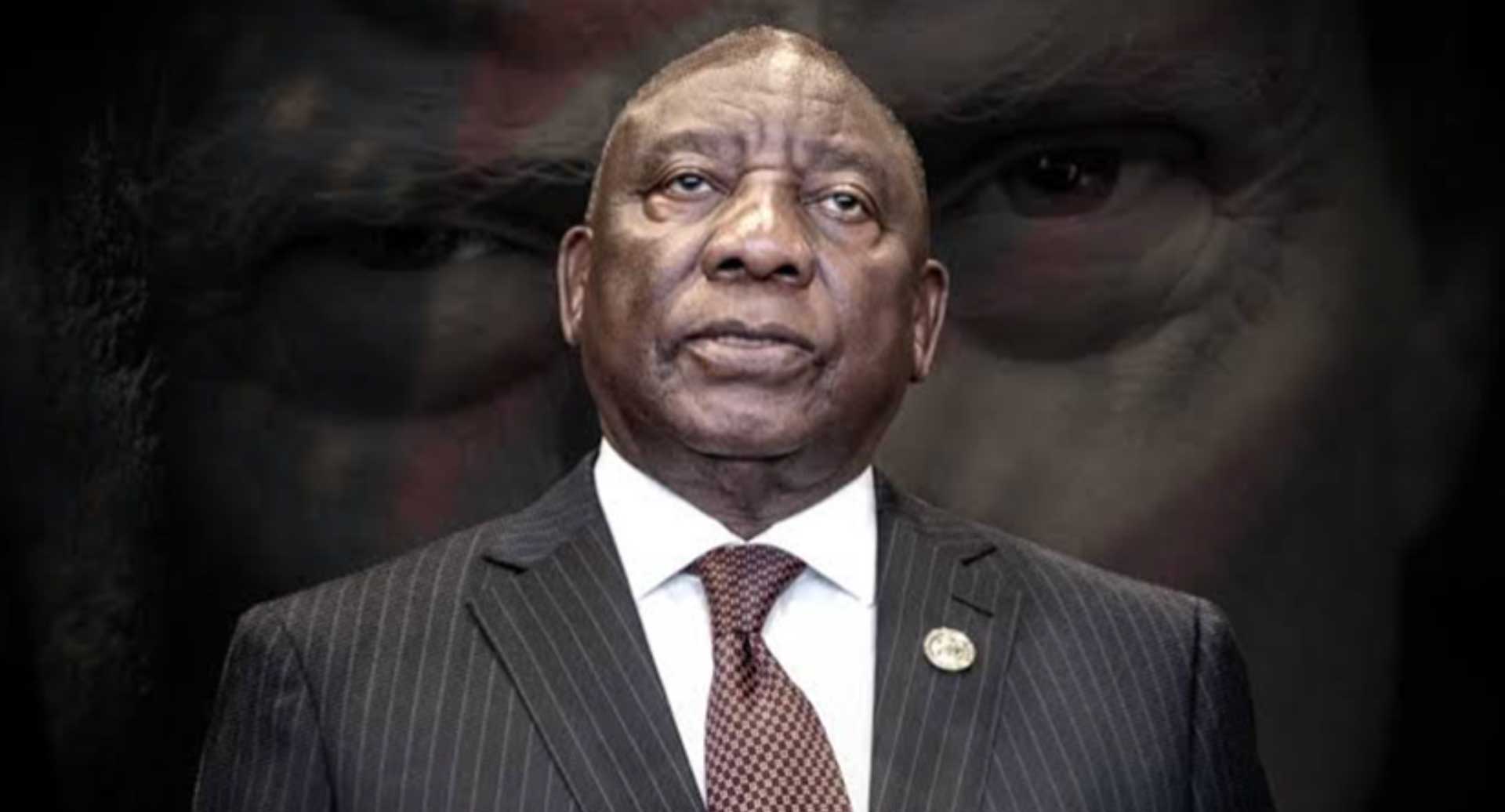
Under President Cyril Ramaphosa, South Africa has pursued closer economic relationships with emerging markets through BRICS while maintaining diplomatic and commercial relationships with established trading partners, including the United States.
These relationships create opportunities, but they also introduce risks. Iran’s participation in BRICS raises geopolitical and sanctions-related considerations, while tensions with the United States have highlighted the potential economic consequences of diplomatic disagreements.
The central question is whether South Africa’s foreign-policy decisions are creating economic opportunities or putting trade, investment and jobs at risk.
BRICS: Can International Cooperation Deliver Trade, Investment and Jobs?
BRICS began as a grouping of Brazil, Russia, India and China before South Africa joined in 2010. Its membership has since expanded to include countries such as Iran, Egypt, Ethiopia, Indonesia and the United Arab Emirates.
For South Africa, joining BRICS presented an opportunity to diversify its international trade relationships, reduce reliance on traditional markets and explore new sources of investment and economic cooperation. However, the existence of these opportunities should not be confused with measurable economic progress.
Despite South Africa’s participation in BRICS and its engagement with major emerging economies, an important question remains: how much tangible economic benefit has reached ordinary South Africans? Have these relationships resulted in significant new export opportunities, productive investment, expanded local businesses or sustainable job creation?
The New Development Bank (NDB), established by BRICS members, was intended to provide an additional source of financing for infrastructure and development projects. While South Africa has secured financing through the institution, the real value of these arrangements must be assessed by examining completed projects, improvements in essential services and the economic benefits delivered to communities.
For businesses and workers, diplomatic participation and investment announcements mean relatively little unless they translate into commercial opportunities, stronger local industries and employment.
BRICS has given South Africa a platform to pursue greater economic diversification. Whether that opportunity has delivered sufficient results for the country’s economy and ordinary citizens, however, remains an important question requiring evidence.
Iran’s Membership of BRICS: What Are the Diplomatic and Economic Risks?
Iran’s participation in BRICS introduces additional geopolitical considerations.
The US Department of State and Congressional Research Service have documented Iranian financial and military support for armed groups in the Middle East, including Hamas and Hezbollah, both designated as terrorist organisations by the United States.
These relationships form part of the international political environment in which South Africa conducts its foreign policy.
One particular concern for South African businesses is international sanctions compliance. Different jurisdictions impose restrictions on certain Iranian individuals, organisations, financial institutions and transactions. Companies dealing with affected parties may face legal obligations, additional compliance requirements or difficulties accessing international banking services.
These risks require careful assessment, particularly where international financial institutions or commercial partners are involved.
South Africa and the United States: Could Diplomatic Tensions Affect Trade and Jobs?
South Africa’s relationship with the United States is particularly important because of the commercial connections between the two countries.
More than 600 American companies operate in South Africa, supporting approximately 134,600 jobs, according to South African government figures. Bilateral trade reached approximately US$28.8 billion in 2025.
These figures demonstrate why maintaining workable trade and investment relationships with the United States matters to South African businesses and workers.
However, tensions have created uncertainty.
On 2 November 2026, the United States announced its intention to terminate South Africa’s eligibility for the African Growth and Opportunity Act (AGOA), effective 1 January 2027.
AGOA provides qualifying sub-Saharan African countries with preferential access to the US market for eligible products. Its potential withdrawal raises concerns for South African exporters that rely on these arrangements.
South African government figures indicate that exports under AGOA were worth approximately US$1.7 billion in 2025.
The proposed termination does not mean South African products will automatically lose access to the entire US market. However, affected exporters could face higher tariffs and reduced competitiveness.
Businesses may need to reconsider pricing, production and alternative export destinations. Depending on the industries affected, these changes could influence investment decisions and employment.
This illustrates how diplomatic disagreements can develop into practical economic concerns.
Could the ANC’s Foreign Policy Have Domestic Political Consequences?
Foreign policy is not usually the main concern during municipal election campaigns. Voters are generally more focused on local issues such as unemployment, water provision, electricity, housing and municipal service delivery, however, international relationships can become relevant to domestic political accountability when they have economic consequences.
The November 2026 municipal elections saw a substantial decline in ANC support. Preliminary results reported on 8 November showed the party receiving approximately 31% of the national vote, compared with 45.6% in the 2021 municipal elections.
Election reporting identified dissatisfaction with basic services, including water and electricity, as important factors in the longer-term decline in ANC support.
However, the results reinforce an important question about government accountability: are international policy decisions contributing to the economic opportunities and improvements in living standards that South Africans expect?
For a government that has been in power for decades, international diplomatic engagement should translate into tangible economic benefits for the people it represents, rather than remain a series of political relationships, summit declarations and investment promises. If these foreign-policy decisions are not contributing to stronger local businesses, meaningful job creation and improved living conditions, ordinary South Africans are entitled to question whether the government’s international priorities are delivering real value at grassroots level.
What Do International Relationships Mean for Job Creation and the Cost of Living?
International trade and investment can support employment by helping businesses expand production, access new customers and invest in infrastructure.
For example, an agricultural exporter gaining access to an overseas market may need additional workers to grow, process, package and transport its products. Similarly, a manufacturing business receiving new investment may expand production and employ additional staff.
However, increased trade and investment do not automatically guarantee permanent employment. The benefits depend on the type of projects undertaken, the amount of local production involved, and the number of sustainable jobs created.
International developments can also affect household costs. Exchange rates, import prices, transport expenses and trade restrictions may influence what businesses pay for goods and services.
If a company loses access to an important export market or faces higher import costs, the consequences could extend to suppliers, employees and consumers.
What Should South Africans Look for When Assessing Government Performance?
Citizens do not need to follow every diplomatic meeting to assess whether foreign policy is serving the country’s interests.
They can focus on practical questions:
- Employment: Are international agreements creating sustainable jobs?
- Investment: Are announced commitments translating into completed projects?
- Trade: Are exporters gaining new markets while maintaining access to existing ones?
- Infrastructure: Is international financing improving essential services?
- Business confidence: Are diplomatic relationships supporting a predictable commercial environment?
- Accountability: Is government providing enough information to assess the costs, risks and benefits of its international commitments?
These questions help distinguish political statements from measurable economic results.
Conclusion: Are South Africa’s International Relationships Delivering Economic Value?
South Africa’s foreign policy creates opportunities for international cooperation, but it also introduces diplomatic and commercial risks that require careful management.
BRICS offers potential benefits through trade diversification, investment and development financing. Iran’s participation introduces additional geopolitical and sanctions-related considerations, while South Africa’s relationship with the United States demonstrates how diplomatic tensions can affect important commercial interests.
The AGOA announcement in November 2026 highlights the potential consequences for exporters, businesses and workers when international trade arrangements become uncertain.
Meanwhile, the municipal elections have reinforced the importance of domestic accountability, ultimately, South Africa’s international relationships should be assessed according to the economic value they deliver.
Are businesses gaining access to markets? Is investment translating into productive activity? Are infrastructure projects being completed? Are sustainable jobs being created?
The value of South Africa’s foreign policy should not be measured simply by the countries it engages with or the international groupings it joins, but by whether those relationships strengthen the economy, protect commercial opportunities and improve the lives of ordinary South Africans.