Wearable technology has rapidly moved from novelty status to becoming an important part of serious sports training. Athletes and coaches across disciplines rely on devices to monitor effort, reduce injury risk, and better understand how the body responds to different workloads. With growing access to legal sports betting options for Canadians, interest in athletic performance analysis has also increased. Both amateurs and professionals are seeking out the marginal gains that technology can offer. As expectations for real-time feedback and individualized training rise, understanding the evolving role of wearables in sports helps explain their growing influence on athletic preparation.
Defining wearable tech in training
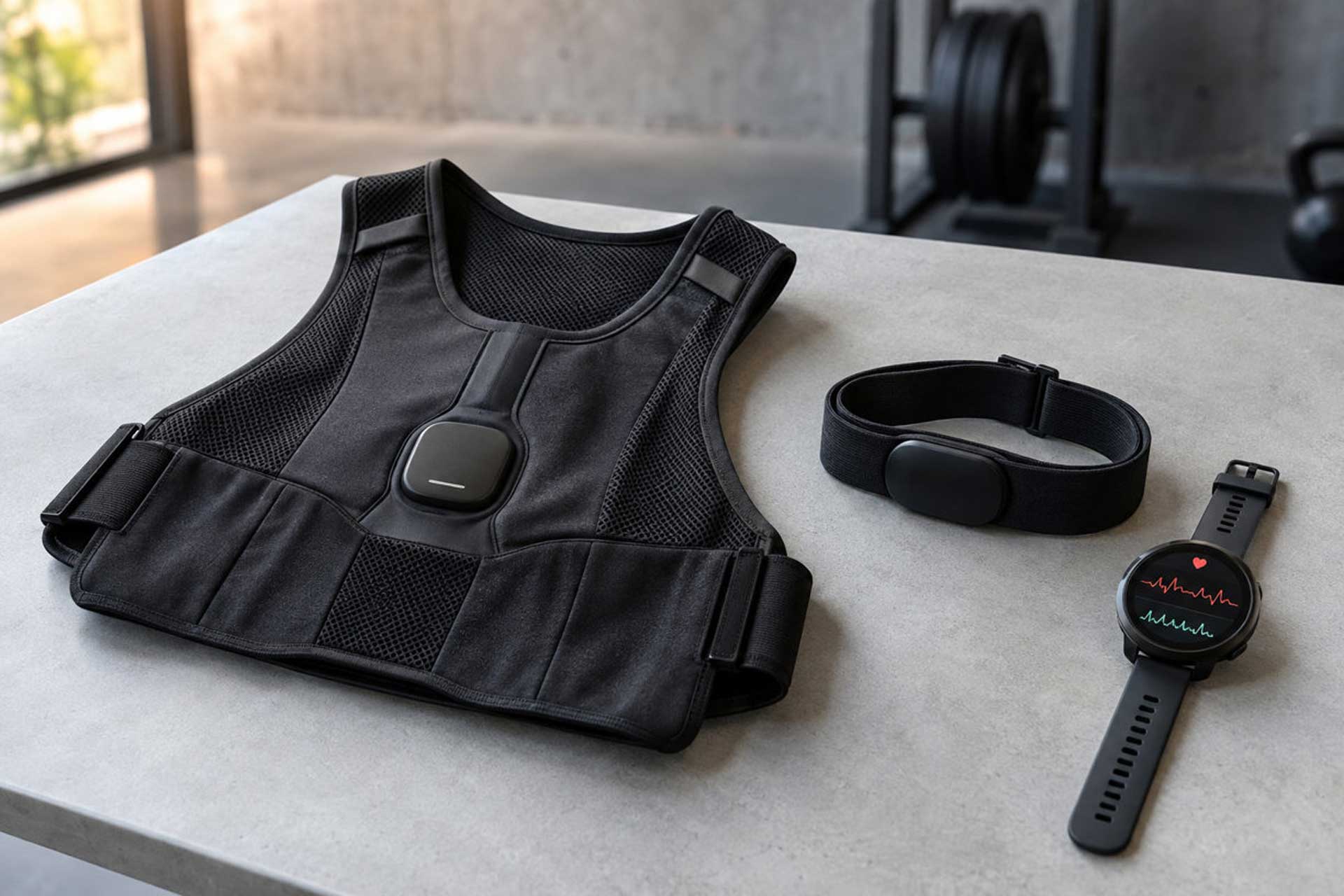
The umbrella of wearable tech in sports training has grown to include GPS vests, accelerometers, heart-rate monitors, smartwatches, and sleep trackers. These devices can range from simple consumer wearables that count steps and monitor basic activity to advanced systems used by elite teams capable of measuring detailed movement patterns, force output, power, and recovery status.
Athlete-grade systems are typically more robust, offering granular data and better accuracy for decision-making. By contrast, consumer models are more accessible and affordable, designed for the broader fitness market. Both categories contribute, but their precision and usefulness often differ, especially when training reaches a high-performance level.
How data supports coaches and athletes
At the core of wearable technology’s impact is its ability to track, collect, and visualize data over time. Coaches now routinely analyze workload, distance covered, and session intensity with the help of GPS vests and accelerometers. These insights make it possible to quantify an athlete’s physical output not just over a single practice, but across weeks and entire seasons, helping guide program design.
Recovery signals also play a key part. Wearables can monitor sleep quantity and quality, resting heart rate, and heart rate variability (HRV), helping identify when an athlete may need more rest or lighter training. By layering multiple streams of data, coaches can adjust plans in response to objective signals rather than guesswork, aiming to maximize gains while reducing the risk of overtraining or burnout.
Benefits in real-world performance
One of the largest advantages of wearable data is in injury prevention. Patterns in workload or sudden spikes revealed by tracking can act as early warning signs, prompting intervention before a problem develops. This proactive approach is especially valued by teams looking to minimize missed games or matches due to avoidable injuries.
Individualizing training programs has also become more practical. No two athletes recover, adapt, or perform in identical ways. Coaches are using wearable insights to tailor drills, set recovery targets, and manage return-to-play decisions according to each person’s baseline and trends, not just team averages. For everyday exercisers and fitness enthusiasts, including those building sport-specific conditioning for badminton, wearables can serve as accountability tools that reinforce habits, set goals, and track improvement.
Recognizing limits and common pitfalls
Despite their promise, wearables come with clear limitations. Accuracy can vary significantly between device types and brands, especially in consumer models that might struggle with precise heart-rate or calorie measurements. Comparing numbers from two different gadgets does not always yield reliable results, making it important to use the same system consistently.
Another risk is overreliance on numbers at the expense of context. Stress, travel, illness, and environmental conditions, factors not always captured by wearables, can affect both training output and recovery. Without supervision from qualified coaches, there is also a chance of misinterpreting data, which may lead to poor decisions or misplaced confidence in the technology’s verdicts.
Privacy and ethical considerations
As these devices collect more detailed health information than ever before, questions about privacy and data ownership are becoming more urgent. In organized sports, athlete data may be shared with coaches, medical staff, or third-party analysts. For many, clarity about who controls this information, how it is stored, and what happens if they leave a club or team is a practical concern.
Transparency and meaningful consent should form the foundation for all data collection. Athletes should know what is being monitored, how it will be used, and have a voice in decisions about sharing or access. This is true whether they compete professionally or use wearables to track personal fitness.
What the future holds for wearable-driven training
Looking ahead, sensor fusion and the integration of artificial intelligence are expected to shape the future of sports wearables. As algorithms improve, devices may deliver more context-aware recommendations or automatically filter out noise from daily data fluctuations. The goal is for wearables to enhance, rather than replace, skilled coaching and athlete intuition. Used wisely, they can act as decision-support tools, amplifying experience and expertise rather than dictating every training move.