When customers purchase a product, they usually pay attention to its quality, price, and usefulness. However, there is another factor that can influence their buying decisions: packaging. A product’s packaging is often the first physical interaction customers have with a brand. It can create expectations, communicate value, and influence how people remember their shopping experience.
But do customers really care about custom packaging, or is it simply an additional expense for businesses? The answer depends on the product, target audience, and overall shopping experience. While attractive packaging cannot compensate for a poor-quality product, thoughtful packaging can make a positive difference in how customers perceive a brand.
Let’s explore why packaging matters and whether investing in personalized packaging is worthwhile.
First Impressions Influence Customer Perception
First impressions matter in almost every shopping experience. Before customers use a product, they see its packaging. This means the design, colors, materials, and overall presentation can influence their initial expectations.
Imagine receiving two identical products. One arrives in a plain, damaged-looking box, while the other comes in a well-designed package with neat printing and secure protection. Although the products are identical, the second presentation may feel more professional and appealing.
This does not mean customers always prefer expensive packaging. Many appreciate simple designs that look clean, practical, and consistent with the brand. The important thing is making packaging feel intentional rather than careless.
Packaging Helps Build Brand Recognition
Customers often remember brands through small visual details. A recognizable logo, consistent colors, distinctive typography, and familiar packaging design can make a business easier to identify.
For example, when customers repeatedly receive products in packaging with the same visual identity, they gradually become familiar with the brand. This familiarity can make future purchases easier because shoppers recognize the business without needing to read its name every time.
Businesses can use packaging to communicate their personality. A natural skincare company might choose recyclable paper materials and earthy colors, while a luxury jewelry brand may prefer elegant rigid boxes with refined finishes.
Consistency is important. Packaging should match the brand’s website, product presentation, and marketing materials. When these elements work together, customers receive a more recognizable and professional experience.
A Better Unboxing Experience Creates Excitement
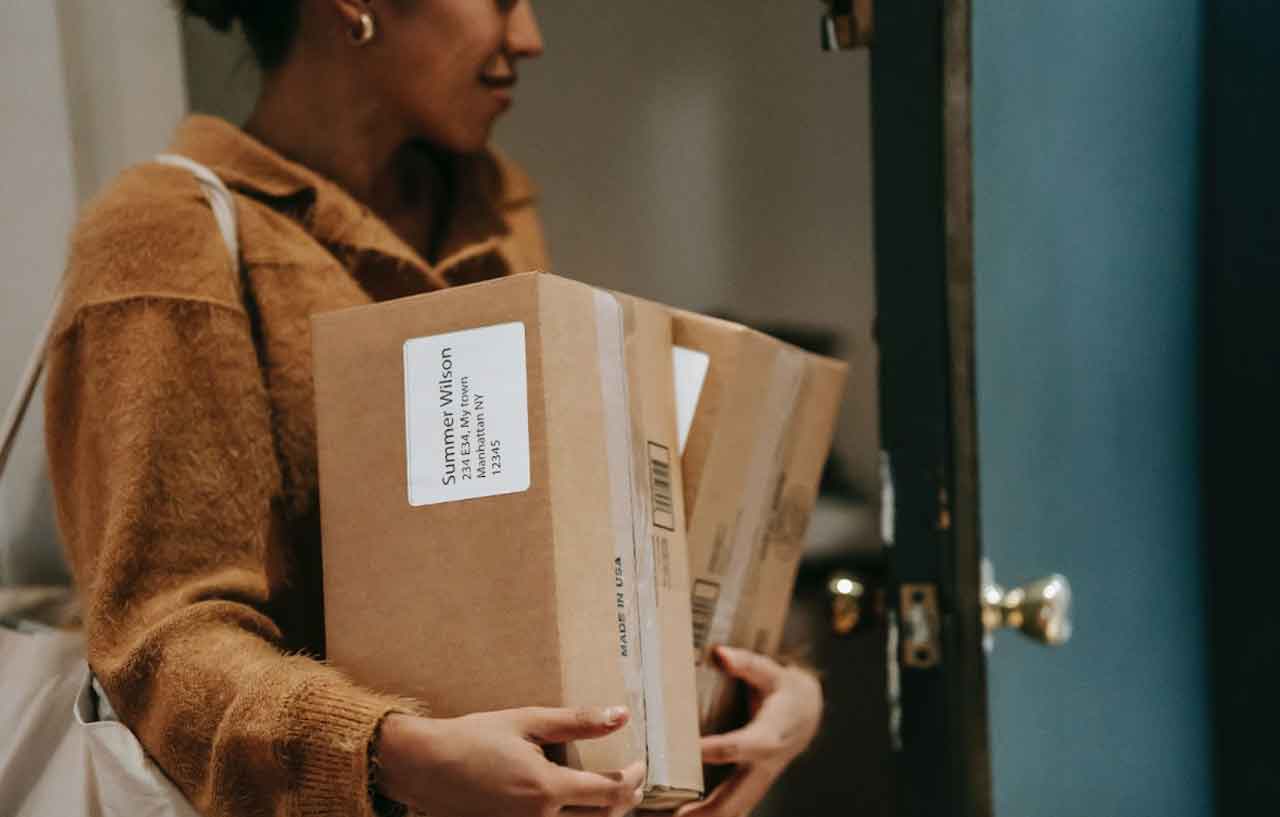
Online shopping has made the unboxing experience an important part of customer satisfaction. Unlike physical stores, e-commerce customers cannot examine products before purchasing. They must wait for delivery, which makes receiving the package a meaningful moment.
Thoughtful packaging can make this experience enjoyable. Secure wrapping, organized inserts, attractive printing, and a small thank-you message can make customers feel that the business has considered their experience.
Some customers also share attractive deliveries through social media. This creates opportunities for brands to receive organic exposure. However, businesses should not assume every customer will post their package online.
The goal should be to create a pleasant experience, not simply design packaging for social media photographs.
Protection Matters More Than Appearance
Although attractive packaging can influence perception, its practical purpose remains essential: protecting products.
Customers do not appreciate receiving broken, scratched, leaking, or damaged items. Even beautiful packaging becomes disappointing when the product inside is unusable.
Businesses should select materials according to product weight, shape, fragility, and shipping conditions. For example, glass products may require protective inserts, while clothing can often be shipped in lightweight mailer bags.
Good packaging balances presentation with functionality. It should keep products secure during transportation, provide convenient opening, and prevent unnecessary movement inside the box.
A business that prioritizes protection can reduce avoidable damage, customer complaints, and replacement costs.
Customers Notice Sustainability
Environmental awareness is influencing how many people evaluate brands and their purchasing decisions. Some customers prefer businesses that use recyclable, reusable, or responsibly sourced packaging materials.
However, sustainability is not simply about printing an environmental message on a box. Businesses should consider the actual materials, manufacturing processes, recyclability, and amount of packaging used.
For instance, using an appropriately sized cardboard box instead of an unnecessarily large package can reduce wasted space and material consumption. Recyclable paper bags may also be suitable for certain retail products.
Businesses should communicate environmental claims honestly. If packaging is recyclable only under specific conditions, those conditions should be explained clearly.
Practical environmental improvements can strengthen customer confidence without making unrealistic promises.
Does Custom Packaging Encourage Repeat Purchases?
Packaging can contribute to customer loyalty, but it is not the only factor responsible for repeat business.
Customers generally return when they receive good products, fair prices, reliable service, and a satisfying overall experience. Packaging can support these factors by making the purchasing journey more memorable.
For example, a small business selling handmade candles might include protective inserts, a branded label, and simple care instructions. These details make the delivery feel organized and thoughtful.
When customers consistently receive products in good condition and enjoy the presentation, they may develop a more positive impression of the business.
However, attractive packaging cannot create lasting loyalty if product quality and customer service are disappointing.
Is Custom Packaging Worth the Investment for Small Businesses?
Small businesses often operate with limited budgets, so spending extra money on packaging requires careful consideration.
Fortunately, custom packaging does not always mean choosing expensive materials or complicated designs. Businesses can start with affordable improvements, such as branded stickers, printed thank-you cards, custom labels, or simple packaging sleeves.
As sales grow, they can explore printed boxes, personalized bags, and other packaging options.
Before placing a large order, businesses should compare material costs, minimum order quantities, printing options, shipping expenses, and storage requirements. Ordering samples is also useful because it allows business owners to examine the actual quality before committing to bulk production.
Working with a reliable custom packaging supplier can make this process easier. A suitable supplier should understand product requirements, explain available materials, provide clear pricing, and communicate production timelines. Businesses should also check sample quality and ask about customization options before making a decision.
How Can Businesses Choose Packaging Customers Appreciate?
The best packaging choices begin with understanding the target audience.
Here are several practical considerations:
Understand customer expectations: Consider what your customers value, whether it is convenience, luxury, sustainability, or affordability.
Choose suitable materials: Select materials that protect products and match your brand positioning.
Keep the design consistent: Use recognizable colors, typography, and logos across different packaging formats.
Avoid unnecessary packaging: Include only what serves a useful purpose. Excessive layers can frustrate customers and increase costs.
Make opening convenient: Avoid packaging that is unnecessarily difficult to open or dispose of.
Collect customer feedback: Ask buyers what they liked and what could be improved. Their opinions can guide future packaging decisions.
Testing different packaging approaches can also help businesses understand which improvements customers genuinely appreciate.
Final Thoughts
So, do customers really care about custom packaging? Yes, many do, but not necessarily because they want expensive boxes or elaborate designs. They care about the experience packaging creates, the protection it provides, and the impression it leaves behind.
For businesses, the smartest approach is to treat packaging as part of the complete customer experience. It should reflect the brand, protect the product, meet customer expectations, and remain financially practical.
When businesses understand their audience and choose packaging thoughtfully, even simple improvements can make their products feel more professional and memorable. Ultimately, successful packaging is not about impressing customers with unnecessary expense. It is about showing attention to detail while delivering genuine value.