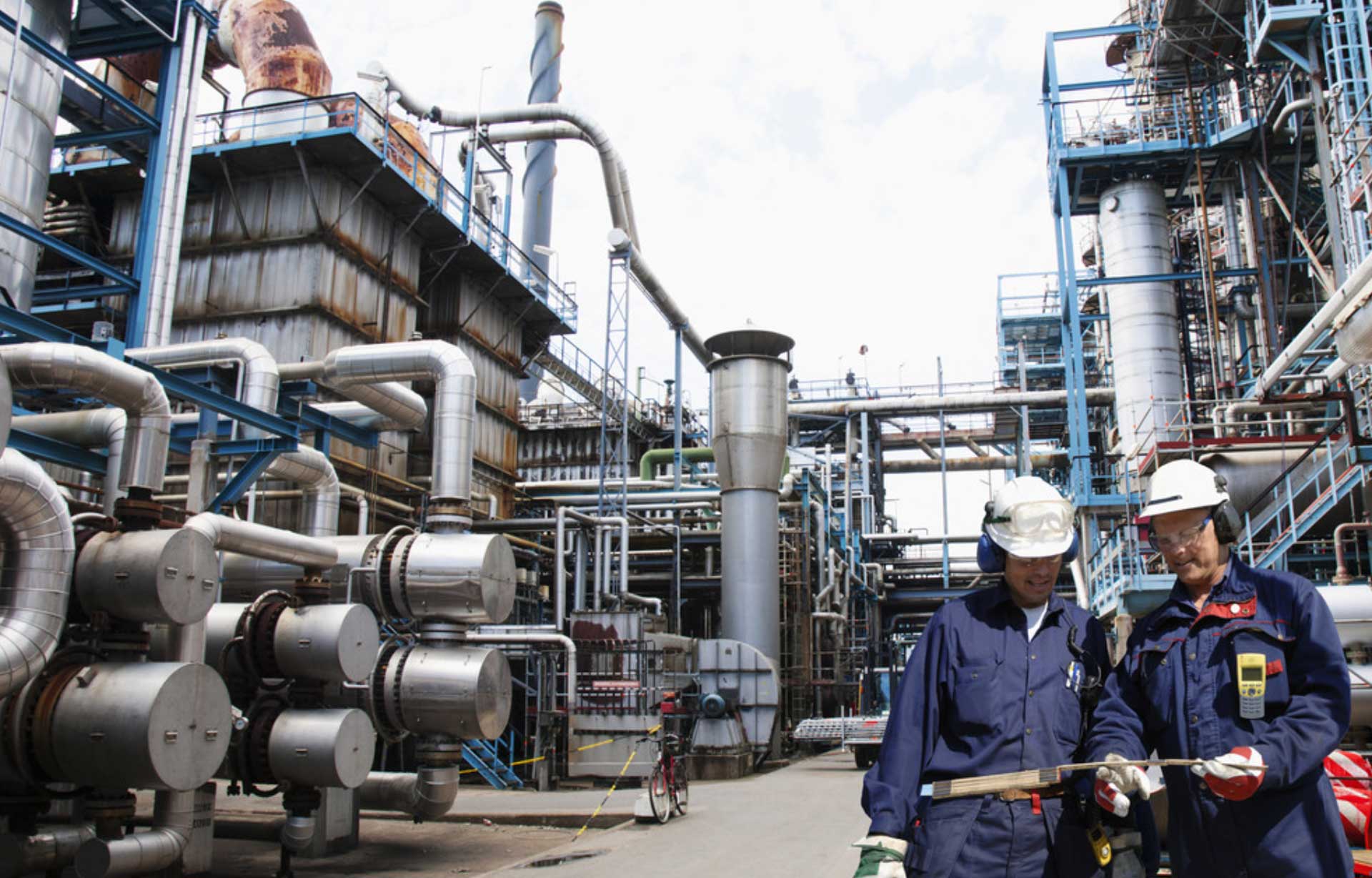
Detroit has spent years shedding the “rust belt” label, and the evidence on the ground suggests something real is happening. New investment, retooled factories, and a fast-growing network of suppliers and specialty shops are reshaping the region’s industrial landscape. So is Detroit really in the middle of a manufacturing boom? Here’s a closer look at the signs pointing to yes.
A Deep and Diverse Business Base
Manufacturing booms don’t happen in a vacuum. They need a healthy business ecosystem, and Detroit has one. According to the Detroit Regional Chamber, the Detroit region is home to over 530,000 businesses.
That number matters because manufacturers rely on a wide web of partners: engineering firms, logistics providers, material suppliers, software companies, and professional services. When a company expands production, it can find nearly everything it needs within a short drive. Startups benefit as well, since they can plug into established supply chains rather than building from scratch.
A large and varied business community also provides stability. When one industry slows, others can absorb talent and keep the regional economy moving. That resilience is one reason investors continue to view Detroit as a safe place to put capital.
Geography That Supports Growth
Location is another major factor. According to Verified Industrial Properties, the Detroit Region is home to 11 counties along the Great Lakes shoreline, with major metropolitan cities like Ann Arbor, Flint, Dearborn, Novi, and Southfield.
Each of those communities contributes something different. Dearborn carries deep automotive heritage. Ann Arbor offers university research and a steady stream of engineering talent. Novi and Southfield host corporate offices and technical centers, and Flint brings manufacturing history and available industrial space. Together they form a connected region with access to highways, rail, shipping lanes, and the Canadian border.
For manufacturers, that connectivity translates into shorter lead times and lower transportation costs. Companies looking to move production closer to customers are finding that Detroit offers both the infrastructure and the people they need.
Recycling and the Circular Economy
One of the most interesting parts of Detroit’s story is how closely manufacturing is tied to sustainability. According to Big News Network, almost 100% of the cars in the US get recycled, turned into raw materials, and reshaped in the manufacturing process.
That makes the automotive industry one of the most circular in the country. Steel, aluminum, copper, and other metals from retired vehicles flow back into production, reducing the need for virgin materials and cutting energy use. For a region built around automotive manufacturing, this creates additional opportunities in scrap processing, metal recovery, remanufacturing, and materials testing.
As automakers and suppliers face pressure to lower emissions and manage costs, recycled materials become increasingly valuable. Detroit’s long history with metals and vehicles gives it a natural edge in this growing field.
The Shift to Electric and Software-Driven Vehicles
The transition toward electric vehicles is one of the strongest forces driving new investment. Automakers and suppliers are retooling plants, adding battery-related capacity, and developing new components for electrified drivetrains. Software, sensors, and advanced driver-assistance systems are also changing what goes into every vehicle.
These shifts create demand for new skills and new facilities. Even as adoption rates rise and fall, companies are committing long-term dollars to Michigan operations. The ripple effects reach smaller suppliers and machine shops that produce the precision parts these new vehicles require.
Technology Is Changing the Factory Floor
Today’s plants look very different from those of a generation ago. Robotics, automation, additive manufacturing, and real-time data analytics are now commonplace. Sensors monitor equipment health, software predicts maintenance needs, and digital simulations let engineers test changes before touching a production line.
These tools help manufacturers boost quality while controlling costs. They also make smaller shops more competitive, allowing them to take on complex work that once required enormous facilities. As technology advances, factory jobs increasingly involve programming, troubleshooting, and problem-solving, making them more attractive to younger workers.
A Skilled Workforce and Training Pipeline
A boom is only sustainable if there are workers to support it. Detroit benefits from generations of manufacturing know-how, along with community colleges, universities, and apprenticeship programs that train the next wave of machinists, welders, engineers, and technicians.
Still, challenges remain. Many experienced workers are nearing retirement, and employers must work harder to recruit and retain talent. Competitive wages, clear career paths, and modern training are becoming essential. Companies that invest in their people are the ones best positioned to thrive.
Reshoring and Supply Chain Resilience
Disruptions in global shipping and sourcing have convinced many companies to rethink long supply chains. Bringing production closer to home offers more control, faster delivery, and fewer surprises. Detroit’s established supplier networks, industrial properties, and logistics access make it a logical destination for companies reshoring operations.
So, Is It a Boom?
The signs point to a genuine resurgence. A massive business base, strong geography, a circular approach to materials, new vehicle technologies, advanced tools, and a trained workforce are all working together. Challenges such as talent shortages, shifting consumer demand, and economic cycles remain, and no boom is guaranteed to last forever.
But Detroit’s momentum is real, and its advantages are durable. For manufacturers, workers, and investors alike, the Motor City is once again a place where things are being built.