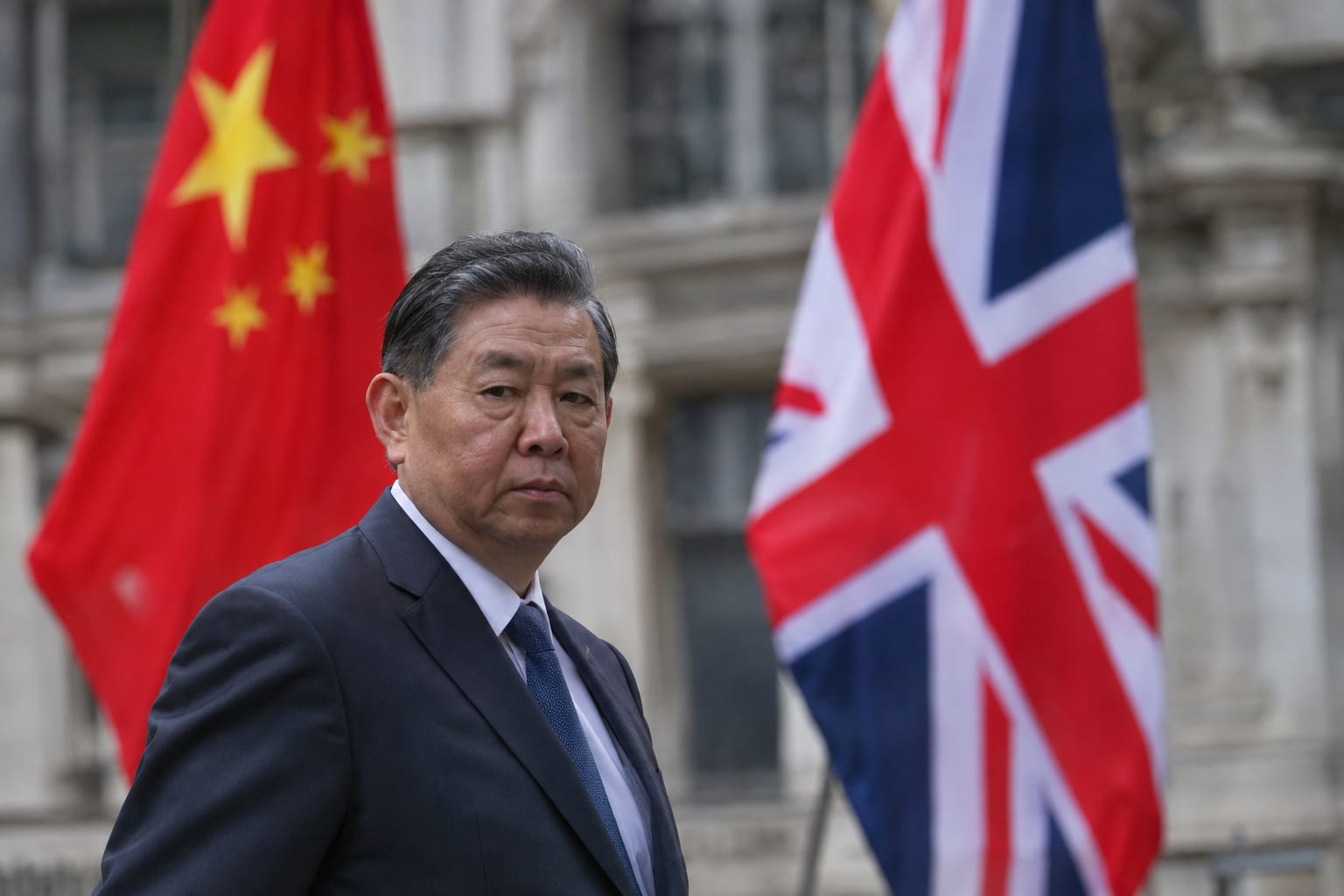
Beijing – WORLD NEWS – China’s Ministry of Commerce has cautioned the United Kingdom against mirroring the European Union’s restrictions on Chinese electric vehicles, promising to strike back firmly if London moves ahead with such measures.
In a statement issued on Monday, the ministry said automotive cooperation between China and Britain is built on complementary strengths and mutual benefit, arguing that the relationship works on equal footing for both sides.
China is calling on the UK to abide by World Trade Organization rules and urged British officials to weigh the consequences carefully rather than simply copy the EU’s approach.
The ministry made clear that Beijing is watching closely. If the UK proceeds with restrictions targeting Chinese EVs, China said it would deploy strong countermeasures to protect the interests of its domestic industry.
The warning comes after UK Trade Minister Anas Sarwar signaled that discussions with European partners over possible tariffs on Chinese EVs are still ongoing. According to an October 15 report from Politico, Sarwar said Britain and the EU need to work in lockstep to confront China’s growing dominance in the auto sector. When pressed on whether the UK was weighing tariffs of its own, Sarwar did not rule it out, though he offered no details on potential rates or a timeline for implementation.
Politico characterized Sarwar’s remarks as the strongest indication yet that Britain could be preparing to align with the EU’s tariff stance on Chinese EVs, a move tied to London’s push for access to the bloc’s “Made in Europe” program.
That framework, established under the EU’s Industrial Accelerator Act, gives preferential treatment to EU-manufactured goods in certain public procurement contracts. Without inclusion in the program, British companies risk being shut out of favorable terms, giving the UK strong incentive to coordinate with Brussels on trade policy.
This tension has already surfaced as a sticking point in broader UK-EU trade negotiations. The Financial Times reported on September 25 that the EU had pressed Britain to raise its own tariffs on Chinese EVs, effectively tying the treatment of British exports to how closely London aligns its trade policies with Brussels.
So far, the UK has held off from joining the EU’s tariff regime. When the EU rolled out definitive countervailing duties on battery electric vehicles imported from China in October 2024, lasting five years, Britain declined to follow suit. Those EU duties ranged from 7.8% to 35.3% depending on the manufacturer, and when stacked on top of the standard 10% import tariff, pushed the total rate as high as 45.3% for some vehicles.
British officials have previously voiced unease about the fallout that could follow if the UK adopts similar measures. Business Secretary Jonathan Reynolds told Politico in September that the UK’s automotive industry relies heavily on exports, meaning any tariff decision has to factor in how it might affect Britain’s standing in overseas markets — a clear nod to the risk of Chinese retaliation.
The standoff illustrates the difficult position Britain finds itself in on automotive trade policy. Falling in line with the EU could help protect British carmakers’ footing in the European market and secure the procurement benefits tied to the “Made in Europe” program. But doing so risks provoking the kind of forceful response from Beijing that China’s commerce ministry has now explicitly threatened.
For now, Britain has not committed to a specific course of action, and talks with European counterparts continue without a public timeline. China, meanwhile, has made its position unambiguous: any UK restrictions on its EV exports will be met with retaliation aimed at defending its automakers’ interests in a market it considers built on mutual benefit rather than unilateral barriers.