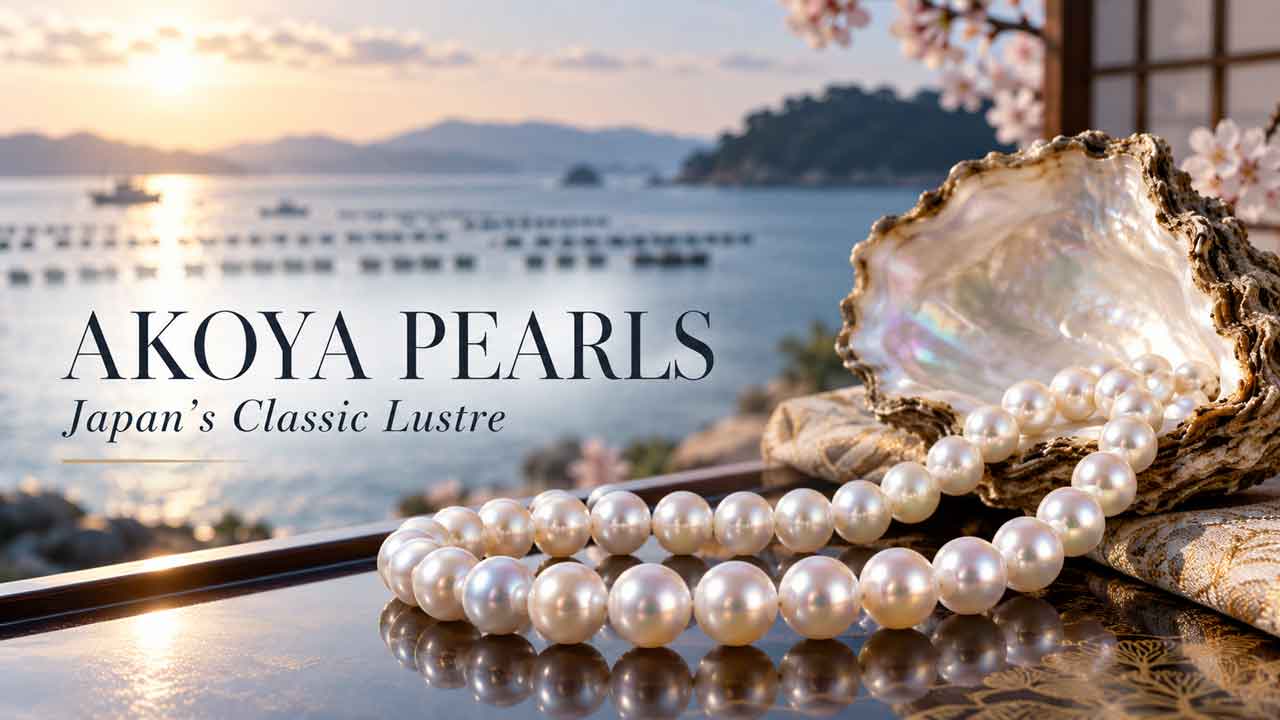
Few jewellery materials have the same combination of history, simplicity and recognisability as the pearl. Among the different varieties available today, Akoya pearls occupy a particularly important place because of their connection to Japan and the development of modern cultured pearl production. Their round shapes and bright lustre have helped establish a style that remains relevant well beyond traditional formal jewellery.
The story of Akoya pearls is closely connected to the history of cultured pearls. Japanese innovators played a significant role in developing techniques that made consistently shaped cultured pearls available to a much wider market, changing the jewellery industry in the process.
For those interested in the classic style associated with this tradition, Freya Pearls’ Akoya collection provides an example of how Akoya pearls continue to be presented in contemporary jewellery. Their compact size, rounded appearance and reflective surface make them particularly suited to necklaces and other pieces designed for regular wear.
The Japanese Origins of the Akoya Pearl
Akoya pearls are saltwater cultured pearls traditionally associated with the Pinctada fucata oyster. Japan became central to their development, particularly as techniques for cultivating round pearls became more reliable in the late 19th and early 20th centuries.
The wider cultured pearl industry is closely associated with Kokichi Mikimoto, whose work helped establish commercial pearl cultivation in Japan. The process transformed pearls from an extremely rare natural gemstone into something that could be cultivated and made available to a much broader audience.
The historical significance remains visible in the Japanese pearl industry today. Japanese pearl producers continue to combine established cultivation practices with modern quality control and jewellery design.
What Makes Akoya Pearls Visually Distinctive?
Akoya pearls are generally recognised for their round or near-round shapes and strong surface lustre. They are typically smaller than South Sea pearls, making them well suited to jewellery where several pearls need to work together as part of a balanced design.
Their appearance can also include subtle colour overtones. While white and cream are strongly associated with Akoya pearls, pink, silver and other secondary tones can influence how a pearl looks under different lighting conditions.
Several characteristics are particularly important when assessing an Akoya pearl:
- Lustre: The sharpness and brightness of reflections on the surface
- Shape: Round and near-round pearls are traditionally popular
- Surface quality: Fewer visible surface characteristics generally create a cleaner appearance
- Colour: Body colour and overtones can affect the overall impression
- Size: Akoya pearls are generally smaller than South Sea varieties
These factors help explain why two pearl necklaces that appear similar at first glance can have noticeably different visual qualities.
From Traditional Jewellery to Modern Design
The image of a pearl necklace has sometimes been associated with formal occasions, conservative wardrobes and traditional styling. However, jewellery designers have increasingly experimented with pearls in ways that make them suitable for contemporary clothing.
A Forbes report on the renewed interest in pearls highlighted how designers have been using pearls in more varied ways, including combinations with other gemstones and contemporary jewellery designs.
That evolution is important because it demonstrates that the appeal of Akoya pearls does not depend entirely on traditional styling. Their relatively understated size and distinctive lustre allow them to work with both classic and contemporary designs.
How Akoya Compares With Other Cultured Pearls
Akoya is only one category within the broader cultured pearl market. Freshwater, South Sea and Tahitian pearls each have their own characteristics.
| Pearl Type | Typical Character | Common Colours | General Appearance |
| Akoya | Classic, bright lustre | White, cream, subtle overtones | Often round and refined |
| Freshwater | Varied shapes and colours | White, pink, peach, lavender | Highly versatile |
| South Sea | Larger size and soft lustre | White, silver, golden | Bold and substantial |
| Tahitian | Darker natural body colours | Grey, green, peacock tones | Distinctive and dramatic |
The differences do not make one variety universally preferable to another. Instead, they give consumers different options depending on the appearance and scale they want.
Akoya pearls tend to occupy the more traditional end of the spectrum while still offering enough versatility for contemporary jewellery.
Why Size Is Not Everything
Larger pearls can attract attention, but size alone does not determine whether a pearl is visually impressive. Lustre, shape, surface quality and matching can have an equally significant effect on the finished piece.
This is particularly relevant when considering an Akoya necklace. Its smaller pearls can create a consistent line of reflected light, producing an appearance that is elegant without being visually overwhelming.
For everyday jewellery, that balance can be practical. A necklace does not necessarily need oversized pearls to become a noticeable part of an outfit.
Pearls and the Shift Toward Individual Style
The modern jewellery market has also become more interested in personal expression. Rather than relying on perfectly coordinated sets, consumers are increasingly mixing different materials, shapes and styles.
Recent jewellery coverage from Business Insider on contemporary jewellery trends points to greater interest in expressive styling, mixed metals, statement pieces and the renewed use of vintage and timeless jewellery.
For Akoya pearls, this creates interesting possibilities. A traditional round pearl necklace can remain classic, while Akoya pearls can also be incorporated into more contemporary designs involving mixed metals, gemstones or less conventional silhouettes.
Choosing Akoya Jewellery for Everyday Wear
For someone considering an Akoya pearl necklace, several practical details are worth examining before making a purchase.
Consider the Overall Style
A simple strand creates a traditional appearance, while modern settings can make the same type of pearl feel more contemporary.
Look Closely at Lustre
Good lustre gives a pearl a lively appearance. Rather than simply looking shiny, the surface should show clear reflections.
Check the Matching
When several pearls appear together in one piece, consistency in size, shape and colour can make the jewellery look more cohesive.
Think About Versatility
A piece that works with casual clothing as well as formal outfits may provide more practical value than jewellery reserved for occasional use.
A Classic That Continues to Adapt
Akoya pearls remain closely associated with Japanese pearl cultivation and the history of cultured jewellery, but their continued relevance is not simply a matter of tradition. Their size, shape and lustre provide designers with characteristics that can be adapted to changing tastes.
The modern pearl market demonstrates that classic materials do not necessarily have to remain locked into traditional styles. Akoya pearls can still represent the refined simplicity associated with the classic pearl necklace while fitting comfortably into contemporary jewellery design.
That combination of history and adaptability is what keeps the Akoya pearl distinctive. Its identity was shaped by a major development in Japanese craftsmanship, but its place in modern jewellery continues to evolve.