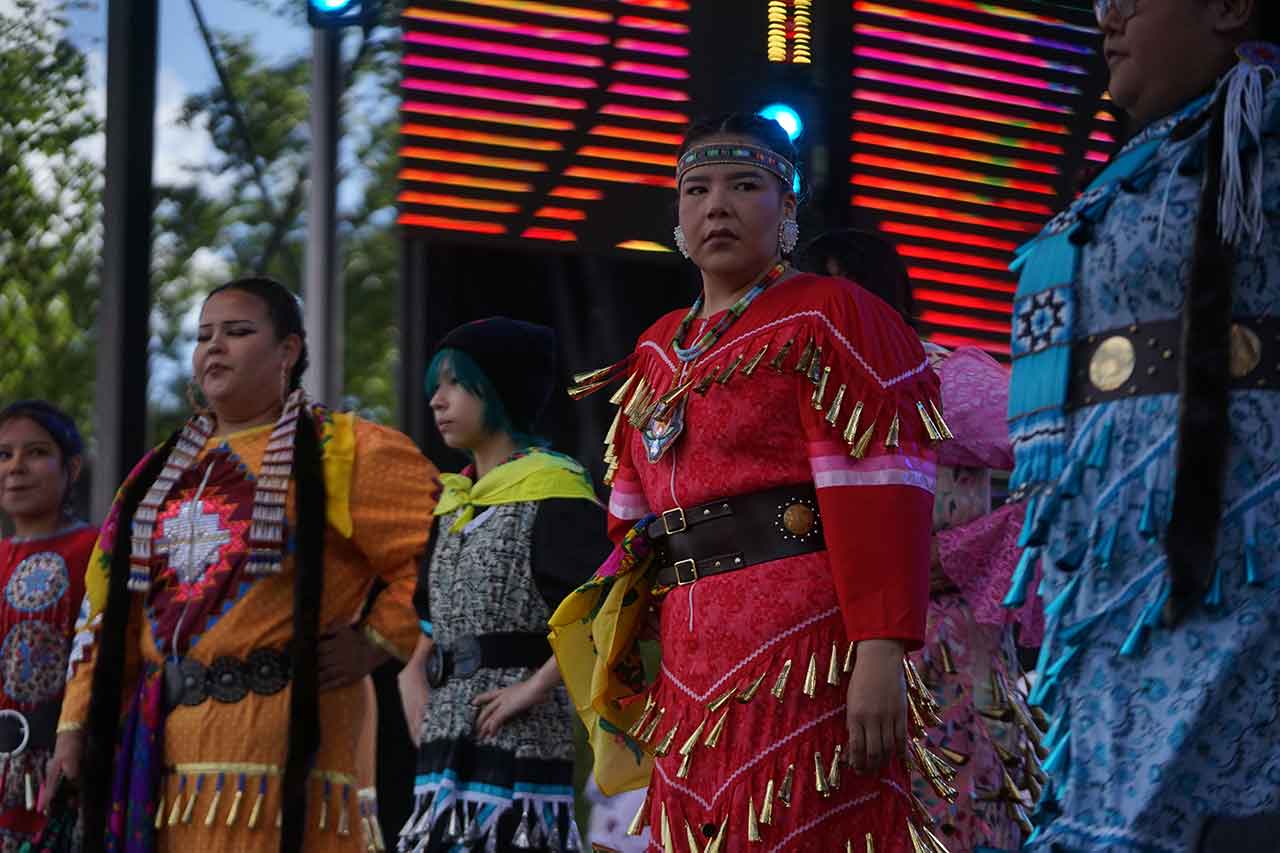
Following Flo Rida’s appearance at the September 12 waterfront festival, organisers issued an apology, acknowledged harm and promised to put their core values at the forefront of future artist selections.
The response offers a constructive starting point: recognise what went wrong without allowing one performance to erase the wider purpose of an event built around welcoming Indigenous students.
Organisers Acknowledge Harm and Accept Responsibility
In the statement supplied to NetNewsLedger, the Wake the Giant team said the props used during the performance were not approved. Organisers said they had clearly told the artist’s team that this was a sober event and that alcohol was not permitted onstage.
They expressed hurt and disappointment and said the performance did not reflect the values of Wake the Giant or Northern Nishnawbe Education Council.
“We take responsibility for booking the artist,” the team said, adding that lessons from the experience would guide future bookings.
Full Text of Statement
This statement fully establishes the organisers’ position. They do not independently establish the contents of any bottles, what was agreed contractually or the artist’s account of the incident.
A Festival With a Purpose Beyond the Headliner
Presented by Northern Nishnawbe Education Council, Wake the Giant welcomes Indigenous youth moving to Thunder Bay to attend Dennis Franklin Cromarty High School. Its volunteer-led work also includes cultural awareness training, student orientation and a community decal initiative identifying welcoming spaces. The mission is to challenge racism, celebrate Indigenous culture and help students connect with their new surroundings.
That purpose matters in a city where arriving for school can mean leaving family and a familiar community behind.
This year’s announced lineup also included The Wallflowers, Plain White T’s, Tia Wood, Sebastian Gaskin, Shawnee Kish and LOV. The festival’s identity was never solely its closing act.
Public Reaction Includes Criticism and Support
Public Reddit discussions show different views. Some contributors questioned whether the headliner suited a sober, youth-focused festival. Others defended the organisers’ years of work and argued against sweeping demands to remove the people behind the event.
One anonymous commenter criticised the booking while still writing: “It was an amazing day otherwise.” That comment illustrates how disappointment with the finale can sit alongside appreciation for the festival. It is not a verified attendance account or a measure of wider public opinion. Source: public r/ThunderBay discussion.
Analysis: Accountability Need Not Become a Pile-On
Is the criticism unfair? Not simply because it is negative. Students, families and supporters can reasonably ask how an event’s sober commitment will be protected. Volunteer effort deserves respect, but does not remove responsibility.
However, criticism becomes less fair when it treats one performance as proof that every organiser’s intentions were dishonest, or dismisses the entire movement’s value. The available online discussion does not justify describing all criticism as a pile-on.
The more useful test is whether comments help identify what should change while respecting the students the festival exists to support.
Keep Indigenous Students at the Centre
The team has promised to learn from this experience. Clearer performance expectations, advance approval of stage props and a defined response to breaches are possible safeguards—not changes organisers have announced.
The next step is to explain how those lessons will become practice and give students and families a meaningful voice in that process.
Thunder Bay can appreciate the work behind Wake the Giant and still expect better from its closing performance. The constructive outcome is a stronger, safer festival—not the loss of a community effort whose central message remains worth supporting: Indigenous students belong here.