September 3, 2026 NewsHawk Brief: Iran War, Bank of Canada Rate Risk and Northern Ontario Development Lead the Day
THUNDER BAY — NEWS — The Iran war remains the top international story Thursday, Sept. 3, with civilian casualties rising and oil holding near US$95 a barrel.
In Canada, the Bank of Canada has shifted the interest-rate outlook. It held its benchmark rate at 2.25 per cent Wednesday but warned that further increases may be needed if energy-driven inflation persists.
Across Northwestern Ontario, wildfire activity continues to ease, the Marten Falls Community Access Road is moving closer to construction, and Indigenous ownership is becoming a larger part of northern infrastructure development.
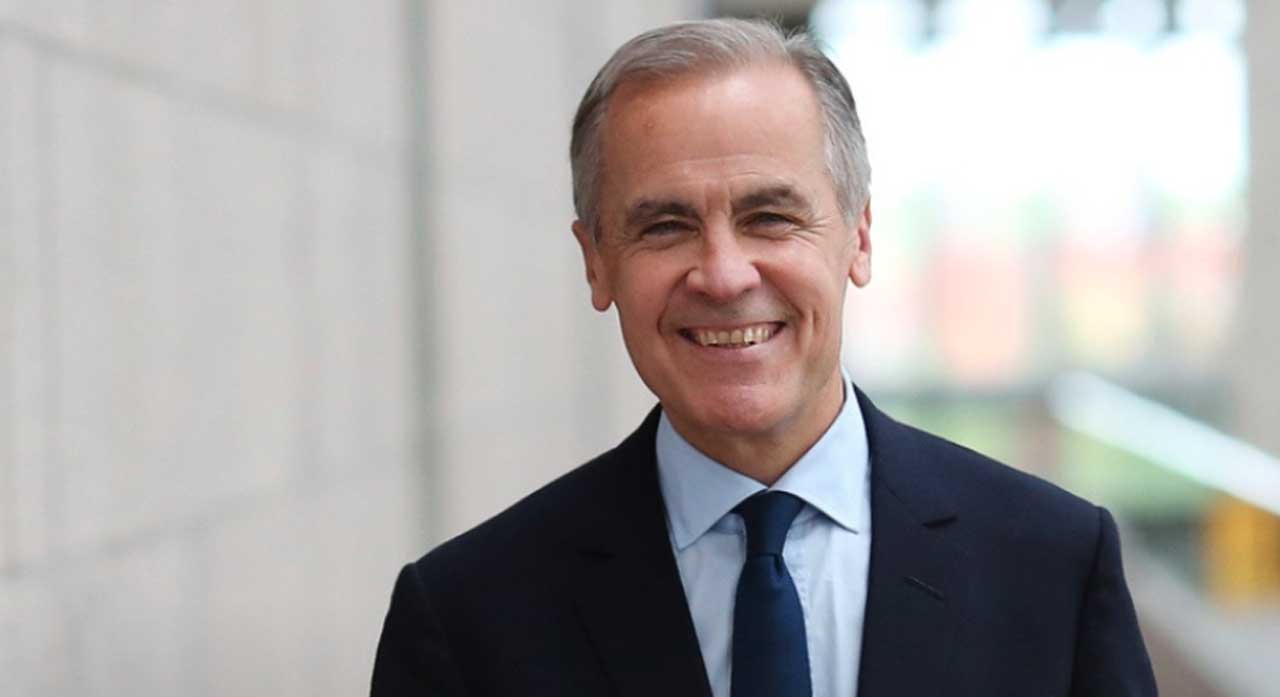
In Thunder Bay, Prime Minister Mark Carney will be making an announcement on manufacturing at 10:00am. As well, Matawa First Nations is taking ownership of Bertrand Court social housing, while police are investigating an overnight Harbour Expressway collision.
INTERNATIONAL — Iran War Keeps Energy Markets Under Pressure
The United States and Iran continue exchanging attacks, with Iranian officials reporting civilian casualties from the latest U.S. strikes.
The Strait of Hormuz remains heavily disrupted, keeping global energy markets under pressure.
Brent crude was trading around US$95 a barrel Thursday morning.
For Northwestern Ontario, the key number remains diesel.
Mining, forestry, trucking, construction, aviation and remote-community resupply all depend heavily on fuel.
A prolonged energy shock will eventually be felt through freight costs, food prices and municipal operating expenses.
INTERNATIONAL — Higher Oil Prices Are Feeding Global Inflation Concerns
Financial markets are increasingly pricing in the possibility that central banks may need to keep rates higher for longer.
Higher oil prices increase inflation risks while higher bond yields raise borrowing costs for households, businesses and governments.
For Thunder Bay, that matters through mortgages, business financing and the cost of municipal infrastructure.
Gold remains elevated near US$4,400 an ounce, supporting exploration interest across gold districts including Red Lake, Dryden, Pickle Lake and Geraldton.
INTERNATIONAL — Ukraine War Remains a European Security Risk
Russian President Vladimir Putin said Thursday that a peace agreement remains possible, but fighting and long-range attacks continue.
Ukraine has also warned civilian aviation about risks in Russian airspace because of drone operations.
The war remains locally relevant because of Thunder Bay’s Ukrainian-Canadian community and its effect on grain, fertilizer, energy and transportation markets.
Thunder Bay’s role as a major grain port makes disruptions to Black Sea agricultural trade particularly important.
NATIONAL — Bank of Canada Opens Door to Rate Hikes
The Bank of Canada held its overnight rate at 2.25 per cent Wednesday.
The important development was Governor Tiff Macklem’s warning that rates could rise if inflation remains too high.
Canada’s annual inflation rate is around three per cent, while higher oil prices have increased concerns about another energy-driven inflation shock.
Markets are now beginning to price in the possibility of a rate increase before year-end.
For Thunder Bay households, that means mortgage borrowers and people carrying variable-rate debt should not assume borrowing costs are headed lower.
NATIONAL — Energy Risk Now Overshadows Tariffs for the Bank
The Bank of Canada says higher energy prices are currently a greater immediate inflation risk than the latest U.S. tariffs.
That is especially important in Northwestern Ontario, where long distances make transportation costs a major economic factor.
Higher fuel prices can quickly affect:
- trucking;
- mining;
- forestry;
- construction;
- aviation; and
- remote-community supply chains.
The Iran conflict has effectively become part of Canada’s domestic cost-of-living story.
NATIONAL — Canada-U.S. Trade Talks Remain Frozen
Canada-U.S. trade talks remain stalled.
Prime Minister Mark Carney has said negotiations will not resume until Washington returns to what he describes as serious and respectful talks.
Canadian retaliatory tariffs on roughly $20 billion in U.S. imports are scheduled to take effect Sept. 8.
For Northwestern Ontario businesses, the next important question is practical:
What becomes more expensive next week?
NewsHawks should look for companies importing machinery, parts, food products or industrial supplies from the United States.
NATIONAL — Ontario Auto Sector Still Faces Major Tariff Risk
The possibility of a 50 per cent U.S. tariff on Canadian vehicle imports beginning Jan. 1, 2027 remains a major risk for Ontario.
Thunder Bay does not assemble automobiles, but a serious contraction in the sector would affect steel demand, provincial revenues, transportation and investment.
Northern Ontario would not be insulated from a major manufacturing downturn in the south.
REGIONAL — Wildfire Count Falls to 56
The Northwest Fire Region has 56 active wildland fires in the latest available update.
Three remain not under control, all in the Rinker Complex:
- Thunder Bay 36;
- Dryden 34; and
- Dryden 35.
Fire behaviour remains relatively low, but September is still part of the fire season.
For remote communities, active fires can continue affecting aviation, harvesting and emergency planning even without immediate evacuation orders.
REGIONAL — Marten Falls Road Moves Closer to Construction
Marten Falls First Nation and Bird Construction have expanded their majority Indigenous-owned Piinahzii Limited Partnership to include construction of the Marten Falls Community Access Road.
The proposed road will run approximately 184 kilometres and is scheduled to open by November 2031.
For Marten Falls, year-round road access could reduce transportation costs and improve access to health care, education and goods.
For the mining sector, it is also a major piece of infrastructure required for future Ring of Fire development.
REGIONAL — Indigenous Ownership Is Becoming More Important
The Marten Falls partnership reflects a broader shift in northern development.
First Nations are increasingly seeking equity ownership, contracting opportunities and long-term revenue rather than simply consultation or short-term employment.
For NewsHawks covering mining and infrastructure, one question should become routine:
Who owns the project and who receives the long-term economic benefit?
There remains no single First Nations position on Ring of Fire development. Some communities are advancing infrastructure while others continue raising concerns about Treaty rights and cumulative environmental effects.
LOCAL – Prime Minister Carney in Thunder Bay
10:00 a.m. The Prime Minister will announce an historic investment in Canadian manufacturing.
LOCAL — Matawa Takes Ownership of Bertrand Court Housing
Matawa First Nations Management is taking ownership of the Bertrand Court social-housing complex on Court Street North.
The transfer is significant because Thunder Bay is a major service and population centre for First Nations across Northwestern Ontario.
Indigenous-led housing could allow services and supports to be designed more closely around community needs and cultural realities.
A strong follow-up story would examine Matawa’s plans for the property and whether similar housing transfers could follow.
LOCAL — Harbour Expressway Closed After Overnight Collision
Thunder Bay Police closed a section of the Harbour Expressway between Golf Links Road and Balmoral Street following an overnight collision.
The Traffic Unit is investigating.
Details about injuries and the cause were limited early Thursday.
Drivers should avoid the area until the roadway reopens.
The cause should not be inferred until police release further information.
LOCAL — Police Chief Meets Residents Today
Thunder Bay Police Chief Darcy Fleury resumes Chat with the Chief sessions Thursday at 10:30 a.m. at the Thunder Bay 55 Plus Centre.
The timing is important as public safety becomes a major municipal-election issue.
Likely topics include violent crime, addictions, homelessness, officer workload, downtown safety and the police budget.
LOCAL — Search for Ivory Panacheese Remains Active
Thunder Bay Police continue seeking public assistance locating Ivory Panacheese, 24.
Police describe Panacheese as an Indigenous woman approximately five-foot-10 and 140 pounds, with shoulder-length blond hair, brown eyes and a tattoo of the letter R near her left eye.
Anyone with information should contact Thunder Bay Police at 807-684-1200 or Crime Stoppers at 1-800-222-8477.
LOCAL — Municipal Election Needs a Bigger Economic Debate
Roads, policing, infrastructure and taxes will remain central issues in Thunder Bay’s municipal election.
But candidates should also be pressed on long-term economic questions.
How will Thunder Bay benefit from mining expansion?
Does the city have enough industrial land and electrical capacity?
Can it attract technology, advanced manufacturing or mineral processing?
How should the city work with First Nations?
And what should Thunder Bay’s economy look like in 2046?
A four-year municipal term should still produce decisions that matter 20 years from now.
What NewsHawks Should Watch Today
The Iran war remains the leading international breaking-news file, particularly developments around the Strait of Hormuz and energy markets.
The Bank of Canada has changed the interest-rate conversation from possible cuts toward possible increases.
The Canada-U.S. tariff dispute moves toward the Sept. 8 implementation of Canadian countermeasures.
The Rinker Complex remains Northwestern Ontario’s main wildfire watch.
The Marten Falls road deserves sustained coverage because it combines community access, Indigenous ownership and future mining development.
The Matawa housing transfer is an important local Indigenous-led housing story.
The Harbour Expressway collision is the immediate Thunder Bay breaking-news watch.
And the municipal election should increasingly focus on what candidates would do to strengthen Thunder Bay’s economy over the next decade, not simply the next council term.