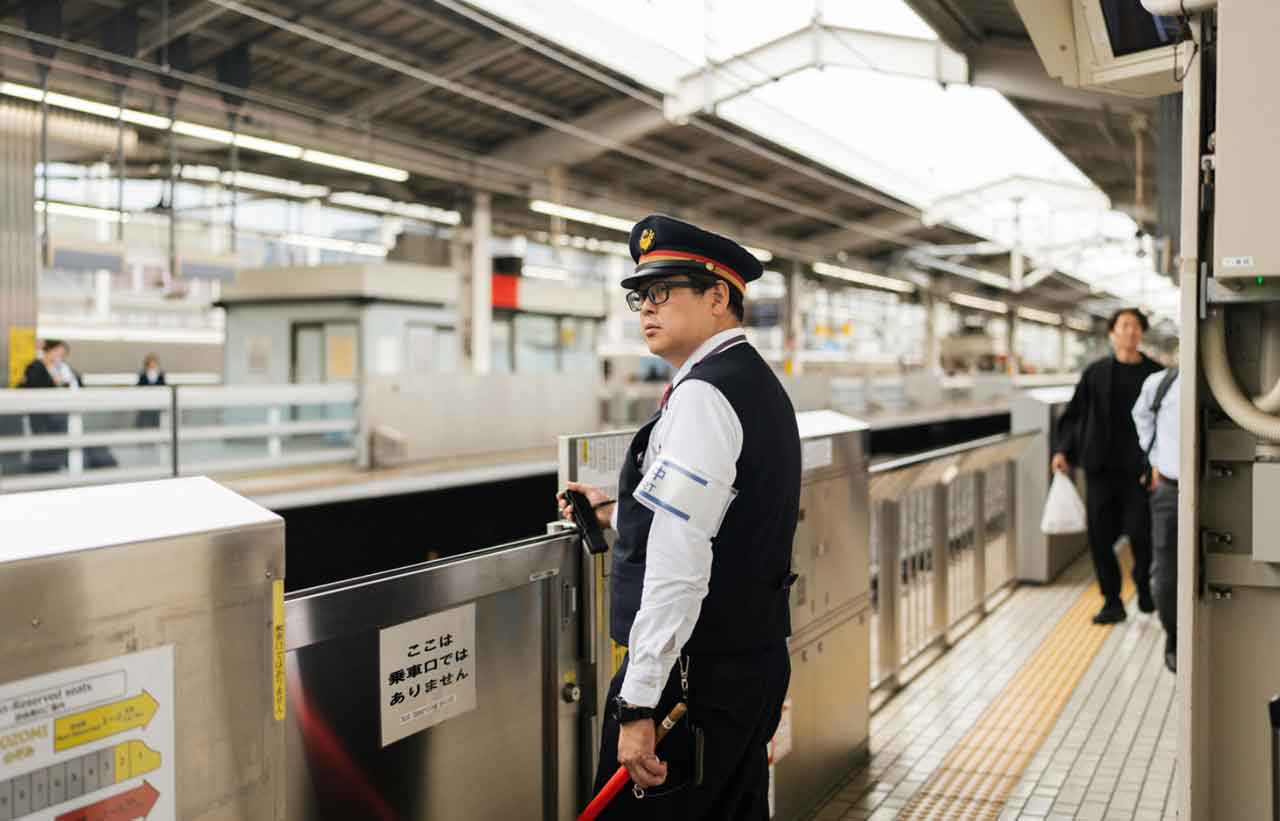
Business risk planning often focuses on cyber security, workplace safety, and operational continuity, yet physical entry can be just as important. If you manage a commercial property, construction site, mine, supermarket, council facility or other controlled environment, you need to consider who and what can enter, where they can go and how access is recorded. Treating physical entry as part of your wider risk framework helps you reduce unauthorised access, protect people and assets, and maintain more consistent site operations.
Physical Entry Controls Who Reaches Key Areas
Every site contains areas that should not be equally accessible to everyone. Plant rooms, loading zones, storage areas, staff entrances and restricted workspaces may require different levels of control depending on their operational importance and associated risks.
When assessing these areas, you can consider measures such as access control systems, boom gates, vehicle detection sensors, gate operators and credential based entry. Reviewing options available through providers like Rotech Australia commercial security and access control specialists can help you understand the types of physical controls commonly used across commercial and industrial sites. The appropriate system should ultimately reflect your site’s traffic patterns, security requirements and operating environment.
Entry Management Reduces Unauthorised Access Risk
Uncontrolled entry can expose your organisation to theft, vandalism, trespassing and interference with equipment or operations. Even where perimeter fencing exists, weak gates or poorly managed access points can create vulnerabilities.
A structured entry system allows you to determine who can access particular locations and under what circumstances. Technologies such as RFID, swipe cards, remote gate controls and automated barriers can reduce dependence on manually managed entry while making access rules more consistent.
Traffic Control Supports Workplace Safety
Physical entry is not solely a security concern. Where vehicles, employees, contractors and visitors share the same environment, uncontrolled movement can increase the likelihood of collisions and other workplace incidents.
Boom gates, automatic gates and vehicle detection systems can help regulate when vehicles enter particular areas. You can also separate pedestrian and vehicle movements or control access to high risk zones. Including these controls within your broader risk assessment helps connect site security with workplace traffic management rather than treating them as separate issues.
Access Records Improve Accountability
Knowing that someone entered your premises is useful, but knowing when they entered and which access point they used can provide far greater operational value. Electronic access systems can create an audit trail that supports incident reviews, contractor management and investigations.
Accurate access records can also help you identify unusual patterns, such as repeated attempts to enter restricted areas or activity occurring outside normal operating hours. This information gives you stronger evidence when reviewing incidents and deciding whether existing controls need to change.
Automated Entry Strengthens Business Continuity
A physical entry system should continue supporting operations when staffing levels, traffic volumes or site conditions change. Relying heavily on manual gate operation can create delays and inconsistent procedures, particularly at busy facilities or sites operating outside standard business hours.
Automated access control allows predefined entry rules to operate more consistently. Remote controls, sensors and programmed gate systems can also reduce the need for employees to physically manage routine movements, helping your organisation maintain access procedures during changing operational circumstances.
Make Entry Part of the Wider Risk Framework
Physical access affects security, safety, accountability and day to day operations, which is why it belongs within your overall business risk planning. By assessing entrances, restricted areas, traffic movements and access permissions alongside your other organisational risks, you can identify weaknesses before they contribute to an incident. Effective physical entry planning is ultimately about ensuring that the right people and vehicles can reach the right places while unnecessary exposure is kept under control.