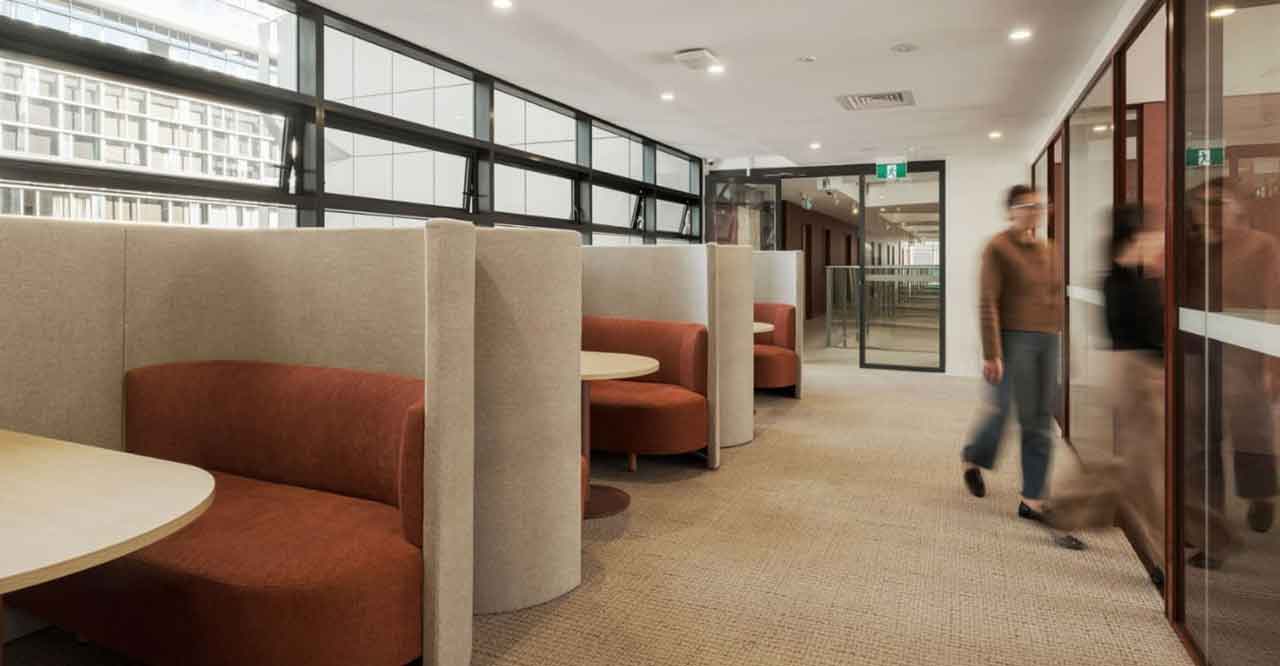
Your study habits can influence which type of student housing feels comfortable, practical and productive. Some students concentrate best with complete privacy, while others stay motivated when they can study and socialise around other people. In Sydney, choosing accommodation that reflects your study personality can make it easier to manage university commitments, rest properly and maintain a routine that suits the way you learn.
Private Studios Suit Independent Learners
If you prefer setting your own schedule and concentrating without interruptions, a private studio can give you greater control over your environment. Having your sleeping, study and living areas within one self contained space can make it easier to create consistent routines, particularly when you regularly study early in the morning or late at night.
When researching multiple accommodation options, compare the level of privacy each room provides alongside access to communal areas. A studio can support independent learning while still allowing you to use shared spaces when you want company, rather than making social interaction part of your everyday living arrangement.
Shared Housing Suits Social Learners
You may learn more effectively when you can discuss ideas with other people. Shared accommodation can suit this personality because everyday interaction creates opportunities to exchange perspectives, talk through assignments and take breaks with housemates.
The key is having enough separation between social and academic time. A dedicated desk or quiet study area gives you somewhere to concentrate when collaboration is no longer helpful. Clear expectations around noise and shared spaces can also prevent an active household from becoming distracting during busy assessment periods.
Quiet Rooms Suit Deep Focus Students
If you need long periods of uninterrupted concentration, prioritise accommodation where your bedroom can function as a reliable study space. Deep work refers to sustained concentration on demanding tasks without frequent distractions, and your surroundings can either support or undermine it.
Look at practical details such as desk size, lighting, storage and separation from heavily used communal spaces. Access to dedicated study rooms elsewhere in the building can also be useful when you want a change of environment without travelling to campus or a library.
Communal Spaces Suit Collaborative Students
Some students find it easier to stay motivated when other people are working nearby. If that describes you, housing with communal study areas may fit your study personality better than accommodation designed primarily around private rooms. For eligible domestic students, living within convenient reach of a University Study Hub can provide another option, with facilities that may include quiet study spaces, breakout areas and high speed internet.
Shared spaces can be particularly useful for group projects, informal revision sessions and peer learning, where you develop your understanding through discussion and collaboration. You still benefit from having a private place to retreat to when assignments require individual concentration.
Flexible Spaces Suit Mixed Study Styles
Your preferred way of studying may change depending on the task. You might want silence when writing an essay, a communal table when preparing a group presentation and a relaxed shared area when reviewing notes.
Accommodation that provides several types of spaces gives you more flexibility to match your surroundings to the work you are doing. This can be especially helpful during exam periods, when spending every study session at the same desk may become tiring. Being able to alternate between private and shared environments can help you maintain a more sustainable routine.
Choose Housing That Supports How You Study
There is no single Sydney housing arrangement that works equally well for every student. Your strongest option is one that supports the conditions in which you concentrate, collaborate and recover most effectively. Before choosing accommodation, consider whether you need privacy, regular social interaction, dedicated quiet areas or flexibility between several environments. Matching your housing to your study personality can make everyday university life easier to organise and give you a more supportive place to live throughout the academic year.