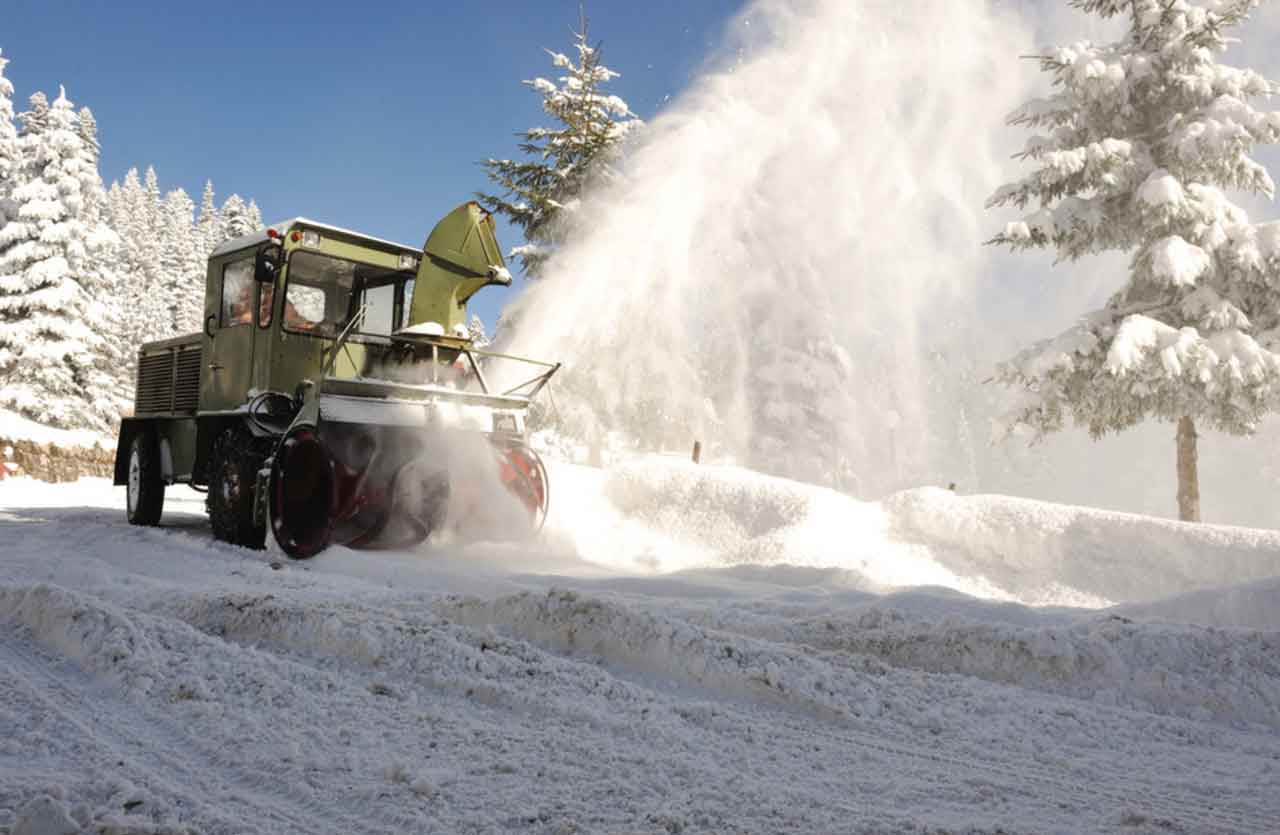
In the modern age, businesses across various sectors are continually seeking ways to gain a competitive advantage. One of the most intriguing developments is the use of Artificial Intelligence (AI) in weather predictions, particularly for businesses reliant on understanding weather patterns, such as those involved in snow plowing. With tech advancements stepping into the world of weather predictions, industry leaders are pioneering AI technology to foresee the next big storm and optimize their operations efficiently.
The Critical First Impressions in Business
For businesses, making a profound first impression is paramount. According to Forbes, companies have only about seven seconds to achieve this. This initial interaction can be significantly improved by predicting weather patterns accurately, allowing businesses to prepare adequately and display reliability. AI has revolutionized how these predictions are made, with remarkable speed and accuracy, ensuring businesses are always a step ahead when it comes to their operations.
The rapid processing abilities of AI mean that businesses can gather insights faster than ever before. This results in better planning and execution of tasks, especially when weather disruptions are imminent. Harnessing the power of AI allows these businesses to refine their operations, making sure that their first impression is always a positive one.
As AI technology advances, it also paves the way for companies to react swiftly and adjust their strategies to accommodate changes in weather forecasts. Businesses that integrate AI into their forecasting can gain invaluable insights, ensuring that not only their first impression but all subsequent interactions are effective and efficient.
Plowing Ahead with Predictive Technology
In the snow removal industry, timing is everything. Imagine the efficiency gained with technology predicting snowstorms with precision. According to Golden Valley, snow plows operate between speeds of 10 and 20 miles per hour when clearing residential areas. AI-driven weather forecast systems help optimize these operations by providing timely updates, which ensure that plows are dispatched at the best possible moment.
AI models process vast amounts of weather data, allowing for precise storm prediction and real-time adjustments. This means that residents and businesses alike can rest assured that snow removal services anticipate severe weather changes promptly. The integration of AI in predicting weather patterns transforms the approach to snow management, optimizing resource allocation and ensuring timely, effective snow clearance.
In addition to providing remarkable accuracy, AI forecasts improve safety by reducing risks associated with sudden weather changes. By predicting storms before they occur, businesses can take preventive measures, ensuring everyone’s safety and minimizing operational disruptions.
AI’s Role in Streamlining Business Operations
Businesses are increasingly integrating AI into their operations, with many leaders recognizing its potential to enhance efficiency. According to Atlantic, 56% of business leaders have embraced AI to optimize operational procedures. For snow removal businesses, this translates to improved resource management and operational efficacy, leading to cost savings and heightened customer satisfaction.
The use of AI means that businesses can now anticipate demand surges and allocate their fleet accordingly, streamlining operations even in peak seasons. By taking a data-driven approach, companies leveraging AI technologies can maximize their resources and offer services that consistently exceed customer expectations.
Moreover, AI enables these businesses to analyze patterns over time, paving the way for more refined future forecasts. This long-term insight establishes a solid foundation for evolving business strategies, making AI not just a tool for prediction but a cornerstone for continuous improvement and strategic enhancement.
The intersection of AI and weather forecasting marks a profound shift in operational strategy for weather-dependent industries. It empowers businesses to forge stronger first impressions, improve operational efficiencies, and enhance customer satisfaction through predictive insights. As the reliability of AI-driven weather forecasts grows, businesses can only stand to benefit from incorporating these technologies into their frameworks, setting new standards for operational excellence and service delivery. Embracing these advancements is not merely an option but a necessity for staying competitive in today’s fast-evolving market landscape.
The continuous evolution of AI technology promises even greater potential for future innovations. Businesses that adapt and integrate these advancements will undoubtedly lead the charge toward a more efficient, predictable, and customer-centric future. As the saying goes, “The best preparation for tomorrow is doing your best today.” With AI, businesses have a powerful ally to ensure they do just that.