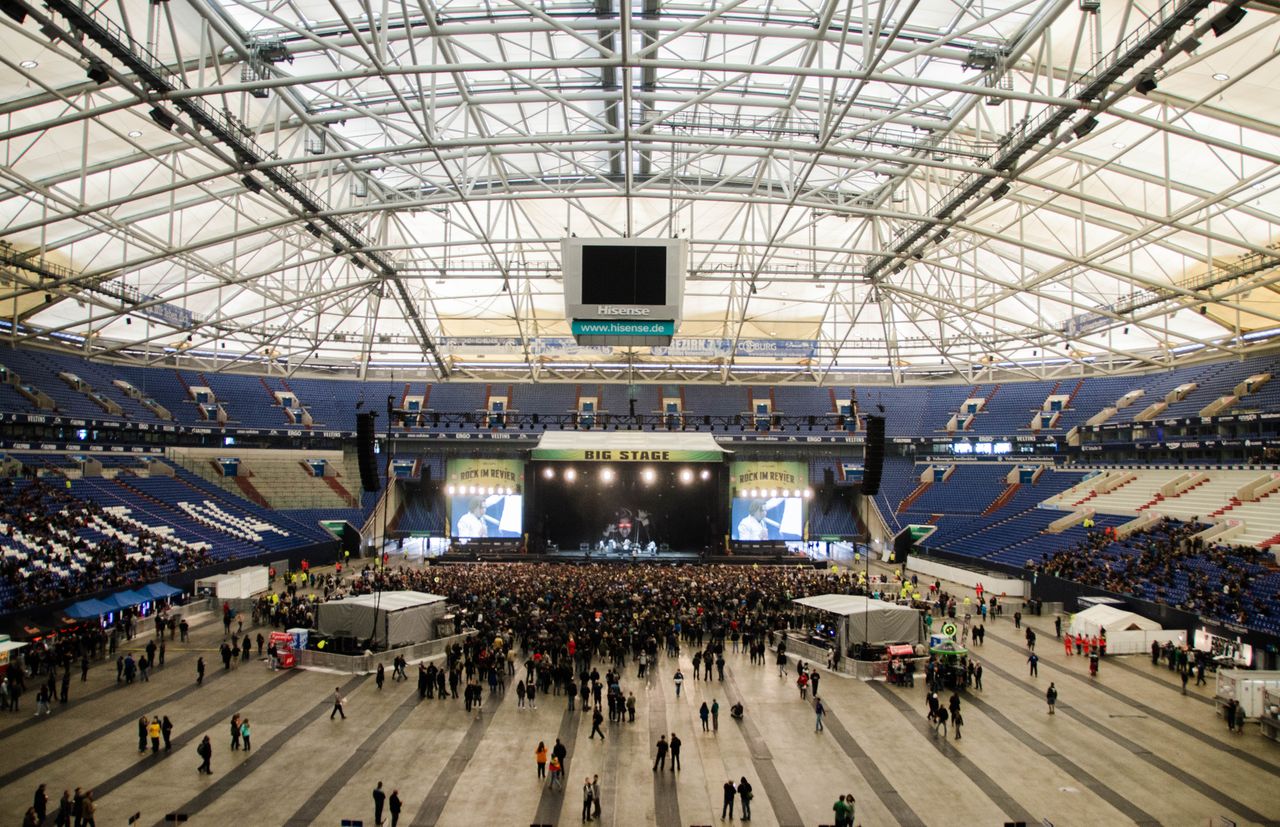
On a packed winter night, a northern arena is more than a sheet of ice. It is where kids learn to skate, teams chase playoff wins, and neighbors warm up together after a long cold day. Then the energy bill arrives, and suddenly every compressor cycle, leaky door, and wasted gallon of hot water matters.
Lowering arena energy costs starts with practical fixes that operators can actually use. The right changes can protect ice quality, reduce waste, and keep the rink affordable for the community.
Lower Arena Energy Costs at the Ice Plant
The ice plant should be the first stop because it usually carries the heaviest load. Overcooling the slab, running pumps at full speed, and ignoring compressor run time can quietly drain the budget. Start with operating data before buying major equipment.
A quick plant review should cover the biggest energy drivers:
- Ice temperature setpoints
- Compressor run hours
- Brine pump speed
- Condenser fan operation
- Alarm history
Raise setpoints carefully during low-use periods, then monitor ice quality during practices and games. Add VFDs to pumps and fans where loads change through the day. Keep notes after every adjustment so staff can see what saves money and what hurts performance.
Capture Heat Before It Leaves the Building
An arena removes heat from the ice every hour it operates. Sending all of that heat outdoors is like paying for firewood and throwing half of it into a snowbank. Heat recovery can redirect useful energy to showers, resurfacing water, underfloor heating, dressing rooms, or nearby community spaces.
Northern arena managers should also consider who will maintain the system after the ribbon-cutting. Training local HVAC/R talent reduces reliance on distant service calls and helps operators catch small issues before they become shutdowns. Direct mail printing services can also help arenas communicate energy-saving initiatives and facility updates to the local community.
For communities building that local workforce, an HVAC trade school like Tulsa Welding School (TWS) offers hands-on career training in skilled trades, including HVAC/refrigeration, welding, electrical, and industrial maintenance. That kind of training can help prepare technicians to understand the refrigeration, electrical, and maintenance systems that keep ice facilities running safely and efficiently.
Tighten Doors, Curtains, and Schedules
Warm, moist air is one of the quiet enemies of good ice. It sneaks through worn seals, open lobby doors, loose curtains, and overhead doors left open during deliveries. Once humidity gets inside, the refrigeration system works harder, and the ice surface can suffer.
Walk the building during a busy rental night and look for simple fixes:
- Door sweeps
- Rink curtains
- Vestibule habits
- Flood timing
- Water temperature
- Lighting schedules
Resurfacing habits deserve the same attention as mechanical upgrades. Group floods when possible, avoid overflooding, and match the water temperature to the level of play. Small schedule changes can reduce peak demand charges, especially when utilities price power higher during busy grid hours.
Build Savings Into the Capital Plan
Lowering arena energy costs works best when daily operations and long-term planning move together. Start with a simple energy audit, rank projects by payback, and look for utility incentives before the tender is written. Many grants favor projects with clear savings, better accessibility, and stronger community value.
The best northern arena upgrades are not just about cheaper bills. They keep rinks open longer, make maintenance easier, and protect a gathering place that matters to the whole community. When managers treat arena energy costs as an ongoing operating habit rather than a once-a-decade project, the savings keep showing up season after season.