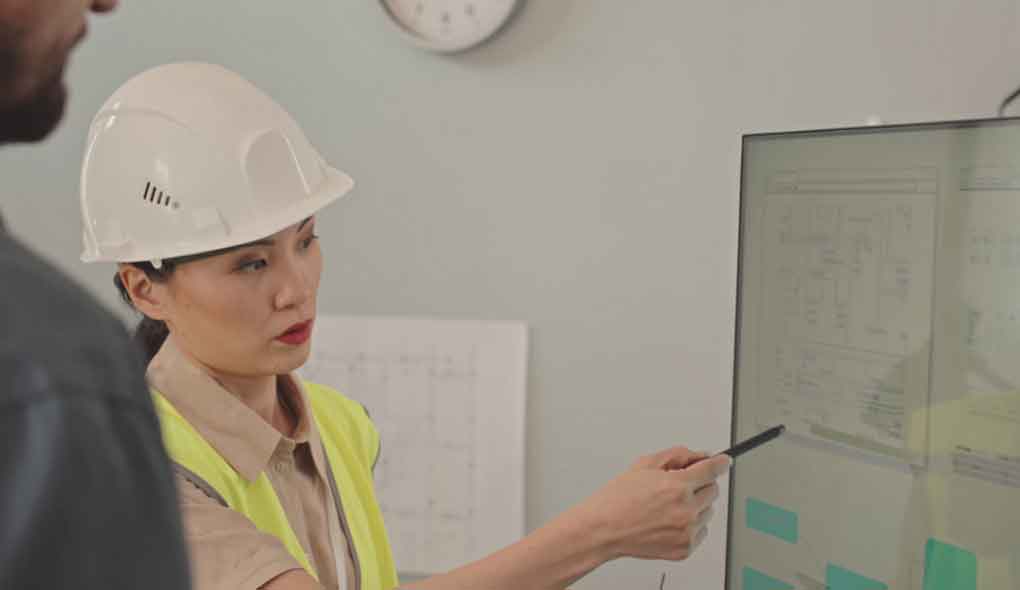
Behind every efficient industrial operation, whether it’s a manufacturing plant, a drilling site, or a data-driven facility, lies a network of specialized technology working quietly to keep things running safely and smoothly. From monitoring systems that track hazardous materials to the precision equipment used in extraction processes and the infrastructure carrying critical data throughout a facility, these technologies rarely get much public attention despite being essential to modern industrial operations. Understanding how these systems work together offers insight into just how much technical sophistication supports the industries we often take for granted.
Tracking Hazardous Materials With Precision
Industrial facilities handling volatile or hazardous substances depend heavily on accurate, real-time oversight to maintain safety and regulatory compliance. Advanced petroleum and chemical monitoring systems allow facility operators to continuously track levels, detect leaks, and identify potentially dangerous conditions before they escalate into serious incidents. These systems typically combine sensors, automated alerts, and centralized data collection to give operators a comprehensive, up-to-the-minute picture of conditions across an entire facility, rather than relying on periodic manual checks that could miss developing problems.
The sophistication of modern monitoring technology has significantly improved both safety outcomes and operational efficiency in industries where even small oversights can lead to major consequences. Beyond simply detecting problems, these systems increasingly incorporate predictive analytics, helping facilities identify patterns that suggest equipment wear or potential failure points before they cause actual leaks or spills. This shift from reactive to proactive monitoring represents one of the more significant technological advances in industrial safety over recent years, reducing both environmental risk and the substantial costs associated with major incidents.
Precision Equipment for Extraction and Drilling
Extraction industries rely on increasingly sophisticated equipment to operate efficiently while minimizing risk to workers and the surrounding environment. Modern air feed drills represent a significant advancement over older drilling technology, using compressed air systems to power drilling operations with greater precision and control than traditional hydraulic or mechanical alternatives. This technology allows operators to maintain more consistent drilling pressure, reducing wear on equipment while improving overall accuracy during extraction processes.
The technical advantages of this approach extend beyond simple efficiency gains. Air-powered systems often provide better control in variable conditions, allowing operators to adjust performance based on real-time feedback from the drilling process itself. This level of precision has become increasingly important as extraction operations move into more challenging environments, where equipment reliability and control directly impact both safety outcomes and project timelines. As drilling technology continues to advance, this kind of specialized equipment plays an increasingly central role in how efficiently and safely extraction operations can be conducted.
Building the Data Backbone of Modern Facilities
None of these sophisticated monitoring and equipment systems function effectively without reliable infrastructure to transmit the data they generate. Installing proper plenum fiber throughout industrial facilities ensures that critical data, from safety monitoring alerts to equipment performance metrics, can travel reliably and safely through a building’s air handling spaces without posing additional fire risk. This specialized cabling is specifically designed and rated for installation in plenum spaces, meeting strict fire safety codes that standard cabling simply cannot satisfy.
As industrial facilities become increasingly data-dependent, with monitoring systems, automated equipment, and safety sensors all requiring reliable connectivity, the underlying cabling infrastructure has become just as critical as the technology it supports. Facilities that invest in properly rated, high-quality fiber infrastructure avoid the compliance risks and potential safety hazards associated with cutting corners on cabling while also ensuring the kind of reliable data transmission that increasingly sophisticated monitoring and equipment systems depend on to function effectively.
A Connected Approach to Industrial Safety and Efficiency
The technologies supporting modern industrial operations rarely function in isolation; they depend on each other to create genuinely safe, efficient facilities. Sophisticated monitoring systems provide the real-time oversight needed to catch problems early, precision equipment like advanced drilling technology improves both safety and operational accuracy, and reliable data infrastructure ensures all of this information can actually reach the people who need it to make informed decisions.
As industrial operations continue to grow more technologically sophisticated, facilities that invest thoughtfully across each of these areas tend to see meaningful improvements in both safety outcomes and operational efficiency, proving that the unseen technology running quietly in the background often matters just as much as the equipment operating in plain sight.