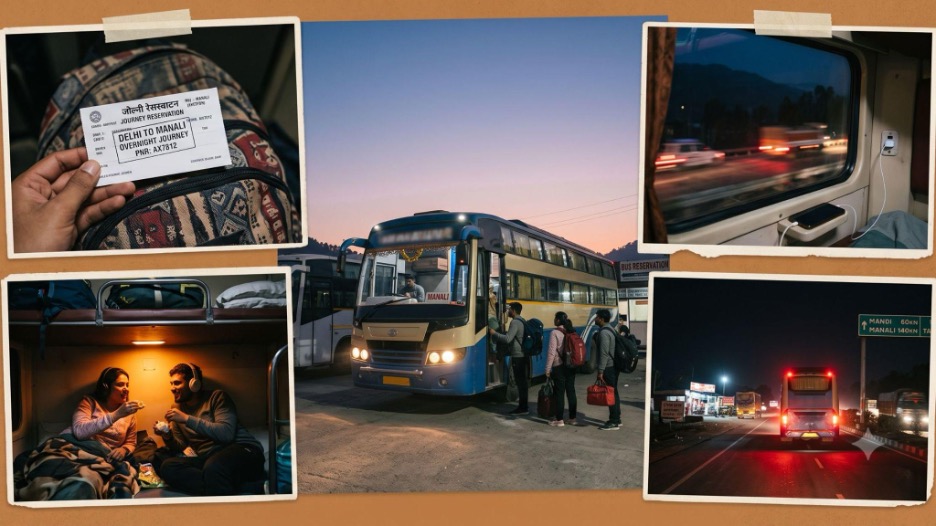
An overnight bus journey saves daytime hours, but comfort depends on preparation. The right bus, suitable seat, light luggage and calm boarding can make travel easier. Preparation should begin before completing your bus booking.
Check the journey details, understand what the selected bus offers, and carry only what you need. Sensible choices help you rest and arrive organised.
Choose the Right Bus before You Travel
Comfort begins with choosing a bus that matches your route, timing and travel needs. Check the available bus type, departure time, fare, boarding point, dropping point and seat layout before booking.
For an overnight journey, focus on the option that offers suitable seating and convenient timings rather than selecting only the lowest fare. Reading the listed journey details carefully can help you choose a bus that feels practical and comfortable.
Check the Bus Type and Seat Layout
Different bus types can affect comfort during an overnight journey. Check whether the available bus is a sleeper, semi-sleeper, seater, air-conditioned or non-air-conditioned option, along with its seat layout and listed amenities.
For instance, travellers booking an APSRTC (Andhra Pradesh State Road Transport Corporation) bus should review the options available on their chosen route. A window seat offers side support, while an aisle seat makes movement easier. Choose according to availability.
Review the Timing and Boarding Details
Check the departure time, expected duration, boarding point and dropping point before completing the booking. Make sure all these details suit your travel plan. A late-night departure may affect dinner, local transport and waiting arrangements.
Confirm whether the boarding location is familiar and estimate how long it will take to reach. Leave enough time for traffic, finding the correct stop and boarding without unnecessary rush.
Pack Only What Supports Rest
Heavy or poorly arranged luggage can make boarding difficult. Keep larger bags ready for storage and carry one small bag with essentials.
Useful items may include:
- A light shawl or jacket
- A neck pillow
- An eye mask and earplugs
- Water in a secure bottle
- Personal medicines
- Tissues and sanitiser
- Phone, charging cable and power bank
- Ticket details and valid identification
Onboard amenities may vary depending on the bus type and operator. Items such as blankets, water bottles, reading lights and charging points may not be provided on every bus. Carry basic travel essentials with you so that you can remain comfortable during the overnight journey without relying entirely on the facilities available onboard.
Prepare Your Body before Departure
A journey is harder when you board feeling overly full, thirsty or exhausted. Eat a simple meal before departure and avoid anything that usually causes discomfort during travel. Drink enough water, but avoid having too much immediately before boarding, especially when rest stops are uncertain.
Wear loose, breathable clothing that allows you to sit or sleep comfortably. Keep footwear easy to remove and wear again. Before leaving, use the washroom and complete calls or messages that might otherwise disturb your rest.
Reach the Boarding Point without Rushing
Reach the boarding location early enough to identify the correct bus and complete boarding calmly. The time you should keep depends on local traffic, the size of the boarding point and any instructions shared by the operator. Avoid arriving at the last minute, especially when using an unfamiliar bus station.
Keep your phone charged, save the ticket details and carry valid identification. Where live tracking is available, use it to check the bus location or estimated arrival time. Confirm the boarding point and booking details again before leaving.
Settle into Your Seat Properly
Place the items you need within easy reach before the bus starts moving. Avoid opening your main luggage repeatedly. Keep valuables close and ensure that bottles, cables and footwear do not block the aisle. Adjust the seat or berth carefully where this is possible. Use the seat belt when one is provided.
Lower your phone brightness and reduce unnecessary sound. Use earphones at a comfortable volume so that you can still notice important announcements or instructions. Shared space matters on an overnight journey. Keep calls short, avoid strong-smelling food and do not direct bright screens towards nearby passengers.
Manage Food, Water and Movement
Take small sips of water rather than drinking a large amount at once. Keep snacks simple, sealed and easy to eat without creating crumbs or strong smells. Avoid unfamiliar food shortly before or during the journey.
During an announced rest stop, note the bus location and return time before stepping away. Carry your phone and valuables. Walk carefully, stretch gently and use the washroom when needed. Avoid moving through the aisle while the bus is turning or travelling over an uneven section.
Keep Ticket and Identification Ready
Ticket requirements may vary by operator. Some may accept a mobile ticket, while others may ask for a printed copy. Check the instructions after completing the bus booking and keep the required format ready.
Save the ticket so it can be opened without depending entirely on mobile data. Keep a screenshot or printed copy as a backup. Confirm that the passenger name, mobile number, route, date and boarding point are correct. Store your identification securely, but keep it easy to access during boarding.
Plan for Arrival before Sleeping
Decide how you will leave the dropping point before going to sleep. Check the expected arrival time, local transport options and distance to your final destination. Set an alarm before the expected stop while allowing for possible changes in timing.
Keep your footwear, phone and small bag organised. As the bus approaches your destination, check around your seat or berth so that chargers, identification and other small items are not left behind.
Final Thoughts
A comfortable overnight journey depends more on practical preparation than on carrying many accessories. Choose the bus type carefully, confirm the route and boarding details, pack a small set of useful items and organise your arrival before sleeping.
Travellers can use redBus to review relevant journey and bus booking details before selecting a government or private service. Always read the information shown for the bus, because seating, ticket requirements, amenities and other conditions may differ.