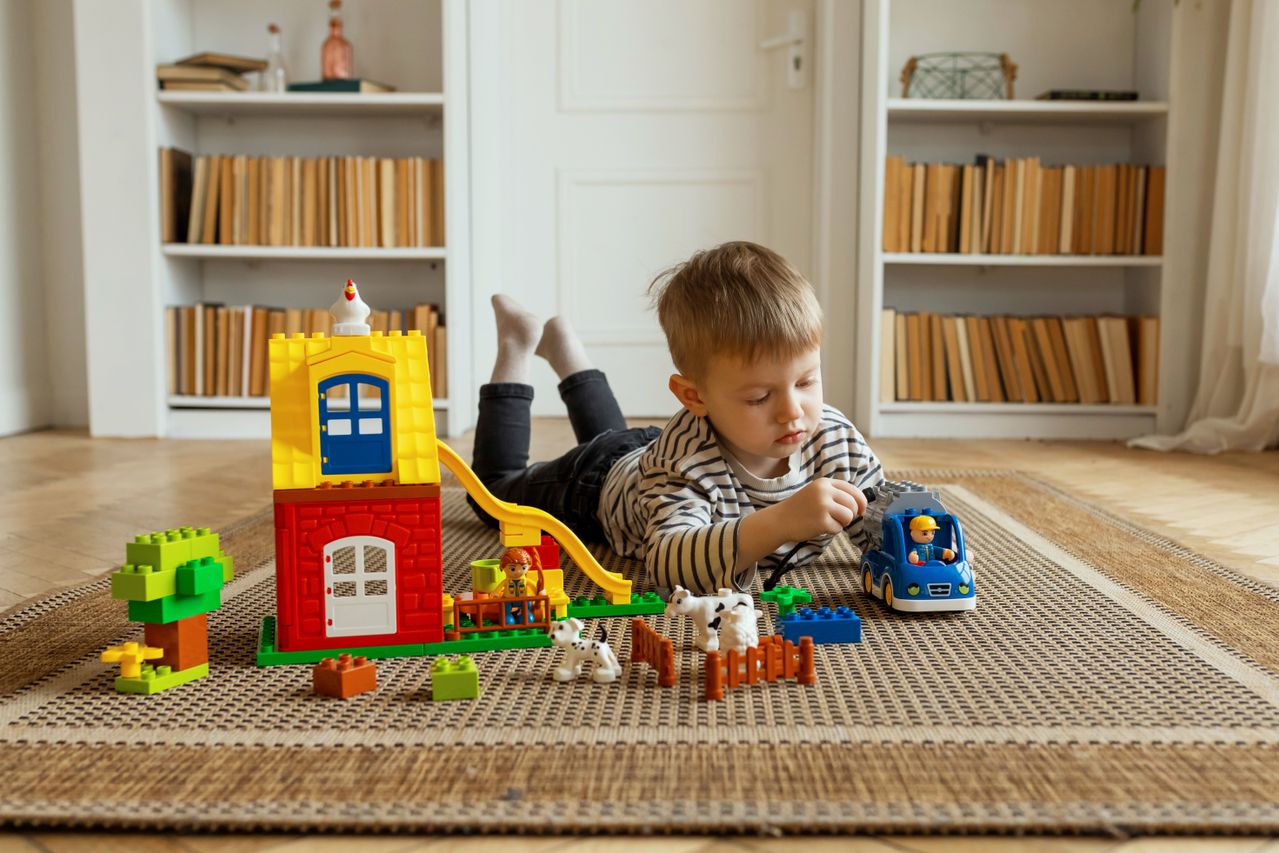
Most kids do not need more toys; they need a better place to use them. A cluttered corner can quickly turn into boredom, while a thoughtful setup can spark hours of creativity and focus. The difference comes down to how the space invites a child to explore.
The good news is that you do not need a huge budget or a separate room to make it work. With a few smart choices, you can create a play space that supports imagination, learning, and everyday development right at home.
Why Play Spaces Shape Development
A child’s environment plays a major role in how they think, explore, and interact with others. A well-planned play area encourages curiosity and gives kids room to test ideas safely. Over time, those small moments of play build confidence, communication skills, and emotional awareness.
Children use play to process what they see and experience in daily life. Imaginative setups help them act out stories, solve problems, and express feelings. A strong play environment quietly supports growth without feeling like structured learning.
Start With a Safe and Flexible Layout
A functional play space begins with comfort, safety, and room to move freely. Soft surfaces and kid-friendly furniture reduce risk while encouraging active play. Open layouts make it easier for children to shift between activities without frustration.
Creating a cozy foundation can be as simple as adding versatile seating that doubles as a play tool. Many parents choose playroom couches for kids because they support building, climbing, and quiet time in one setup. Cory, one of the co-founders at Epic Kidz Play, advises starting with adaptable pieces that grow with your child so the space stays safe, fun, and easy to update as their interests change.
Add Open-Ended Play Materials
Toys that only serve one purpose often lose attention quickly. Open-ended materials keep children engaged because they can be used in many different ways. Simple items often spark the most creativity.
Here are a few options that encourage imaginative play:
- Building blocks
- Art supplies
- Dress-up clothes
Rotating these items every few weeks keeps the space fresh and exciting. Kids stay more engaged when something feels new, even if it is not brand new.
Create Zones That Encourage Different Types of Play
Dividing a space into small zones helps children understand how to use the area. Each zone can support a different type of activity without needing walls or major changes. Even a small room can feel dynamic with a bit of planning.
Think about how your child naturally plays throughout the day. Some moments are calm and focused, while others are active and energetic. Designing for both makes the space more useful and enjoyable.
Quiet and Cozy Corner
A quiet area gives children a place to reset and relax. Soft lighting, books, and cushions can turn even a small corner into a calm retreat. This space supports focus and helps children unwind after active play.
Creative and Active Area
An open area encourages building, movement, and hands-on activities. Kids can spread out materials and fully engage without worrying about making a mess. This type of zone supports both physical and creative development.
Keep the Space Evolving Over Time
A play space should grow along with your child’s interests and abilities. What works for a toddler may not work for a school-aged child. Small updates can make a big difference without requiring a full redesign.
Here are simple ways to keep the space engaging:
- Rotate toys regularly
- Rearrange furniture layouts
- Let kids help choose items
Giving children some control over their environment increases their connection to the space. They become more invested in how they play and explore.
Build a Space Your Child Wants to Use
A great play space does not need to be perfect to be effective. What matters most is creating an environment where your child feels comfortable exploring, imagining, and learning at their own pace. Small, thoughtful choices often have the biggest impact over time.
Start with what you have, adjust as your child grows, and stay open to change. When a space supports creativity and curiosity, it becomes more than just a play area. It becomes a place where real growth happens every day.