Northeast District Wildfire Update: 35 Active Fires, No New Starts Reported
NORTHEASTERN ONTARIO – WILDFIRE UPDATE – No new wildland fires were confirmed in Ontario’s Northeast Fire Region on Tuesday, July 28, 2026.
As of 6:00 p.m. EDT, Aviation, Forest Fire and Emergency Services reported 35 active wildland fires across the region.
Of those fires:
- Two are being held
- One is under control
- 32 are being observed
No fires were listed as not under control in the provincial update.
Regional Wildland Fire Hazard
Wildland fire danger levels continue to vary across Northeastern Ontario.
Ontario’s interactive fire map uses information from more than 130 weather stations to calculate fire danger ratings across the province’s fire regions. The map is updated throughout the day as temperature, humidity, wind and rainfall conditions change.
Residents, campers and travellers should check the latest fire danger rating and any local restrictions before lighting an outdoor fire.
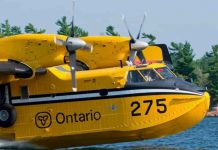
Stay Clear of Waterbombers
Aviation, Forest Fire and Emergency Services is reminding boaters to stay clear when waterbombers approach a lake or river.
Watercraft should move close to shore and remain well away from aircraft conducting water-scooping operations.
A waterbomber will not scoop if boats, personal watercraft or other hazards are in its path. Delays can interrupt firefighting operations and place flight crews and people on the water at risk.
Follow Ontario’s Outdoor Fire Rules
Ontario’s legislated fire season runs from April 1 through October 31.
The public is encouraged to use alternatives to burning yard waste or woody debris, including composting or taking material to a local landfill.
Anyone who must conduct an outdoor burn is required to follow Ontario’s wildland fire regulations.
Unless other restrictions apply, outdoor fires may be lit no sooner than two hours before sunset and must be extinguished no later than two hours after sunrise.
Anyone burning outdoors should have enough water, tools and equipment available to control the fire and extinguish it completely.
Residents within municipal boundaries must also check with their local fire department before burning. Municipal permits, bans or additional restrictions may apply.
Prevent Human-Caused Wildfires
Most preventable wildfires begin with human activity.
Campfires should never be left unattended and must be completely extinguished before leaving the area. Drown the fire with water, stir the ashes and repeat until the site is cold to the touch.
Equipment that produces sparks should be used carefully during dry conditions. Hot exhaust systems, chains, tools and off-road vehicles can ignite dry grass or forest debris.
Cigarettes and other smoking materials must be fully extinguished and disposed of safely.
Reporting a Wildland Fire
To report a wildland fire north of the French and Mattawa rivers, call 310-FIRE — 310-3473.
To report a wildland fire south of the French or Mattawa rivers, call 911.
People reporting a fire should provide the clearest possible location, including nearby roads, lakes, communities or landmarks.