No New Wildfires Confirmed as 41 Fires Remain Active in Ontario’s Northeast Region
WAWA – Ontario’s Aviation, Forest Fire and Emergency Services reported no new wildland fires in the Northeast Fire Region on Tuesday, July 21.
There were 41 active fires across the region as of 6 p.m. EDT. Four fires were not under control, five were under control and 32 were being observed.
The update is important for communities around Lake Superior, including travellers using Highway 17 and residents of nearby First Nations, because changing fire conditions can affect road travel, air quality and emergency response resources.
FireRanger Crews Continue Work on Wawa 17
Four FireRanger crews remain assigned to Wawa 17.
The fire is approximately 15 kilometres northeast of Pic Mobert First Nation and east of White Lake. It remains not under control at 37.2 hectares.
Crews are continuing to establish hose lines around the fire’s perimeter and are reporting progress.
The fire received approximately 10 millimetres of rain by Monday afternoon, followed by another 16 millimetres overnight. While precipitation can reduce fire behaviour, crews must continue monitoring hot spots and securing the fire perimeter before its status can be changed.
Wawa 17 is located near the eastern Lake Superior travel corridor. No highway closures or evacuation orders were included in Tuesday’s provincial update.
Fire Hazard Conditions Can Change During the Day
Ontario’s interactive fire map provides current forest fire danger ratings using information collected from more than 130 weather stations across the province’s fire regions.
The ratings may change throughout the day as temperature, wind, humidity and precipitation information is updated.
Residents, campers, forestry workers and travellers should check current conditions before starting outdoor activities, particularly during periods of hot, dry or windy weather.
Stay Clear of Waterbombers
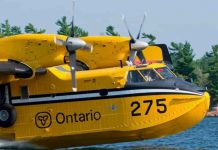
Boaters are reminded to move close to shore when waterbombers approach a lake or river to collect water.
Aircraft crews will not attempt to scoop water when boats or other watercraft create a safety hazard. Delays can prevent waterbombers from reaching a wildfire as quickly as possible.
Members of the public should remain well clear of aircraft operating on waterways.
Outdoor Burning Rules Remain in Effect
Ontario’s legislated fire season runs from April 1 to Oct. 31.
Aviation, Forest Fire and Emergency Services encourages residents to use composting or local landfill services instead of burning yard waste and woody debris.
When burning is permitted, fires may be started no sooner than two hours before sunset and must be extinguished no later than two hours after sunrise.
Anyone conducting an outdoor burn must have enough water and appropriate tools available to control and extinguish the fire.
Residents living within municipal boundaries must also check with their local fire department for permits, fire bans or additional burning restrictions.
How to Report a Wildland Fire
To report a wildland fire north of the French and Mattawa rivers, call 310-FIRE, or 310-3473.
Wildland fires south of the French and Mattawa rivers should be reported by calling 911.
Fire conditions and incident classifications can change quickly. Residents should follow official provincial, municipal and First Nation emergency information for the latest updates.