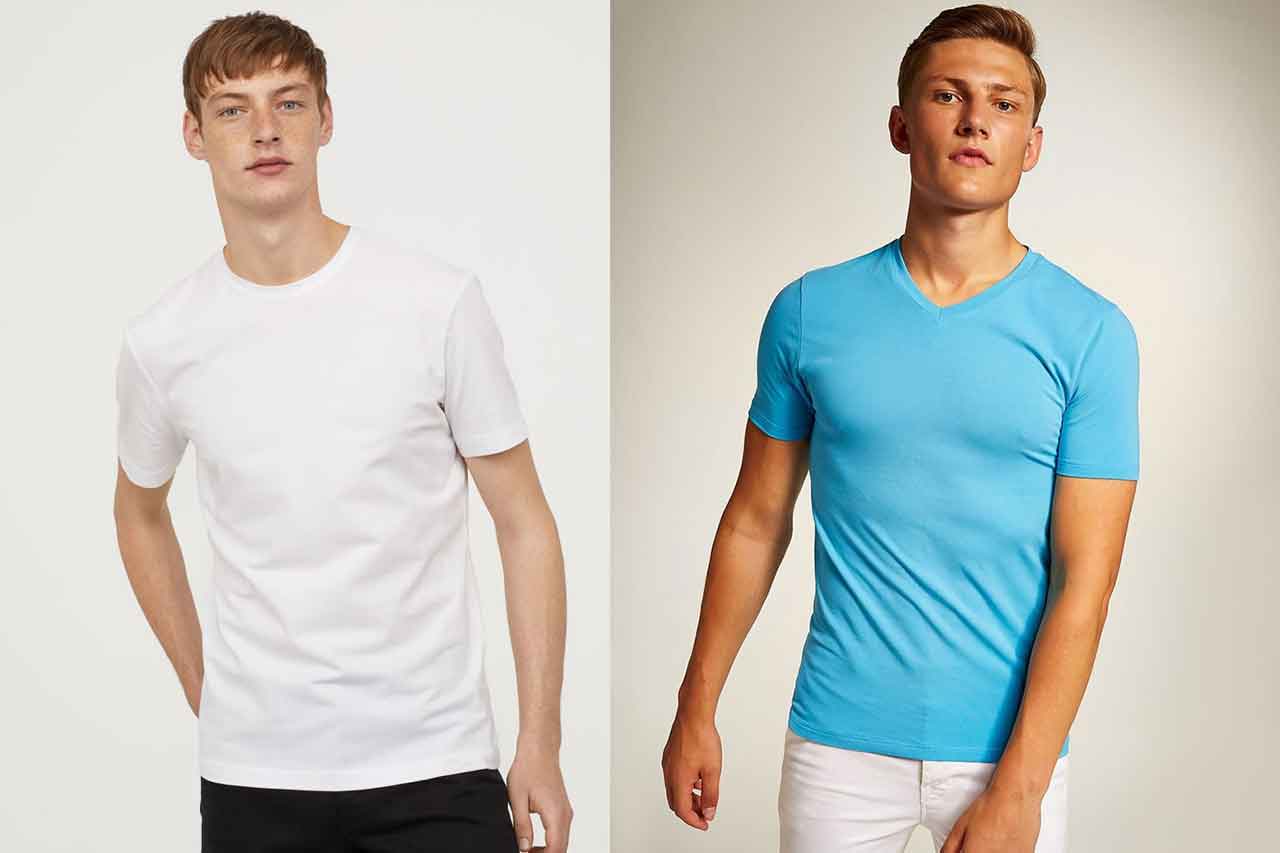
Custom T-shirt printing has become one of the most popular ways for individuals, businesses, schools, sports teams, and organizations to create unique apparel. Whether you’re launching a clothing brand, promoting your business, celebrating a special event, or designing personalized gifts, custom-printed T-shirts offer an affordable and creative solution.
With modern printing technologies, it’s easier than ever to turn your ideas into high-quality apparel that reflects your personality or brand identity.
What is Custom T-Shirt Printing?
Custom T-shirt printing is the process of transferring a personalized design, logo, artwork, or text onto a T-shirt using specialized printing techniques. Customers can choose everything from the shirt color and fabric to the print size, placement, and design.
The flexibility of custom printing allows businesses and individuals to create one-of-a-kind apparel without requiring large production runs.
Benefits of Custom T-Shirt Printing
1. Strengthen Brand Awareness
Businesses use custom T-shirts as walking advertisements. Employees wearing branded apparel create a professional image while increasing brand visibility at events, trade shows, and everyday customer interactions.
2. Express Creativity
Artists, designers, and entrepreneurs can showcase their creativity by printing unique graphics and original artwork on apparel.
3. Perfect for Events
Custom shirts are popular for:
- Family reunions
- Birthday parties
- Weddings
- Charity events
- School functions
- Corporate events
- Sports tournaments
Matching shirts create unity and make events more memorable.
4. Affordable Marketing
Compared to many advertising methods, custom T-shirts provide long-term exposure at a relatively low cost. A well-designed shirt continues promoting your brand every time someone wears it.
5. Personalized Gifts
A customized T-shirt featuring meaningful quotes, photos, or artwork makes a thoughtful gift for friends, family members, or colleagues.
Popular Custom T-Shirt Printing Methods
Different printing techniques are suitable for different types of projects.
Screen Printing
Screen printing is ideal for large orders with simple designs. It produces vibrant colors, excellent durability, and cost-effective pricing for bulk quantities.
Best for:
- Corporate apparel
- Sports teams
- Promotional events
- School uniforms
Direct-to-Garment (DTG) Printing
DTG printing uses inkjet technology to print directly onto fabric. It works well for detailed artwork and full-color designs with no minimum order requirements.
Best for:
- Small orders
- Complex artwork
- Photo-quality images
- Print-on-demand businesses
Heat Transfer Printing
Heat transfer printing applies designs using heat and pressure. It’s a flexible option for personalized apparel and small production runs.
Best for:
- Custom names and numbers
- Limited editions
- Personalized gifts
Direct-to-Film (DTF) Printing
DTF printing has become increasingly popular because it produces vibrant, durable prints on various fabric types.
Best for:
- Cotton
- Polyester
- Fabric blends
- Multi-color designs
Embroidery
Although technically not printing, embroidery adds a premium look by stitching logos or designs directly onto garments.
Best for:
- Company uniforms
- Polo shirts
- Premium apparel
- Corporate branding
Choosing the Right T-Shirt
The quality of the shirt is just as important as the print.
Consider factors such as:
- Fabric material
- Shirt weight
- Fit and sizing
- Color options
- Durability
- Comfort
Cotton remains one of the most popular choices because it is soft, breathable, and ideal for most printing methods. Cotton-polyester blends offer added durability and wrinkle resistance.
Design Tips for Better Results
A great design can make your custom T-shirt stand out.
Some helpful tips include:
- Use high-resolution artwork.
- Keep text easy to read.
- Limit unnecessary design elements.
- Choose colors with strong contrast.
- Consider print placement carefully.
- Match the design with your audience.
Simple, clean designs often leave the strongest impression.
Common Uses for Custom T-Shirts
Custom T-shirts are used across many industries and occasions.
Some common applications include:
- Business promotions
- Employee uniforms
- Brand merchandise
- School clubs
- Sports teams
- Charity fundraisers
- Music festivals
- Community organizations
- Bachelor and bachelorette parties
- Family vacations
Their versatility makes them one of the most popular promotional products available.
How to Choose a Custom T-Shirt Printing Company
Selecting the right printing partner ensures your project meets your expectations.
Look for a company that offers:
- High-quality printing
- Multiple printing methods
- Fast turnaround times
- Competitive pricing
- Positive customer reviews
- Design assistance
- No hidden fees
- Reliable customer support
Requesting samples or reviewing previous work can help you evaluate print quality before placing a large order.
Caring for Printed T-Shirts
Proper care extends the life of printed apparel.
To keep your shirts looking new:
- Wash inside out.
- Use cold water.
- Avoid harsh bleach.
- Tumble dry on low heat or air dry.
- Do not iron directly over printed designs.
Following these simple care instructions helps preserve both the fabric and the print.
Final Thoughts
Custom T-shirt printing is a practical and creative way to showcase your brand, celebrate special occasions, or express your personal style. With various printing methods, fabric options, and design possibilities, creating unique apparel has never been more accessible. By choosing the right printing technique and working with a trusted provider, you can enjoy high-quality custom T-shirts that look great, last longer, and leave a lasting impression.