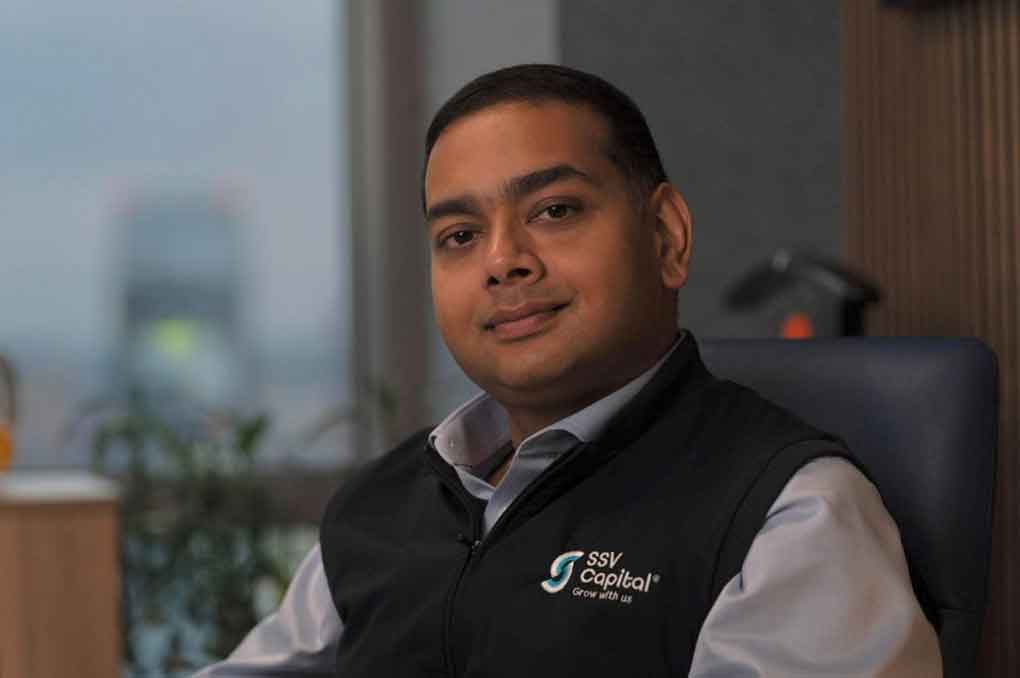
Not every lesson in finance comes from a successful investment. Some of the most valuable ones come from watching opportunities that looked promising fail to deliver. It was one of those experiences that shaped how Ankur Ghosh evaluates businesses today. Early in his career, while working across different sectors of the UK market, he saw companies that appeared strong on paper. The numbers made sense, the markets were active, and confidence was high. Yet not every opportunity delivered the outcome investors expected.
When a Good Idea Was Not Enough
Early in his career, Ankur came across several opportunities that appeared solid from the outside. Financial models showed growth. Demand looked steady. Investors were interested.
Yet over time, problems started to appear.
What stood out was that the issues were rarely about the core idea. Most of the time, the trouble came from weak structure or poor alignment. Some businesses moved too quickly without clear governance. Others had capable leaders, but their long-term priorities did not fully match those of investors.
Those moments changed his thinking in a practical way. He began to understand that a strong opportunity is not defined only by numbers. It depends just as much on how decisions are made and how responsibilities are managed. That lesson stayed with him long after those early experiences ended.
Learning That Trust Is Built Slowly
Working across different UK markets also showed him how trust develops over time. Investors don’t just study performance, they study behaviour.
They watch how leaders respond when things don’t go according to plan. They notice whether communication stays clear during difficult periods. And they remember whether promises match actual outcomes.
Ankur learned that credibility comes from steady decision-making, not dramatic moves. Being open about risks often builds more confidence than presenting overly optimistic forecasts.
Governance became a central focus during this period. Businesses with clear roles, defined reporting, and disciplined processes handled uncertainty better than those relying on informal systems. Even talented teams struggled when structure was missing.
This was not a theory. It was something he saw repeatedly, and those patterns began to shape his instincts.
Turning Experience Into a Working Method
When he later founded SSV Capital, those early lessons shaped how the firm was built. The goal was not simply to find attractive deals, but to create a system that could support long-term growth.
Risk management became part of everyday thinking, not just a checklist exercise. Every opportunity was reviewed carefully, with attention paid to leadership quality, governance practices, and financial alignment.
At the same time, he understood the value of staying flexible. Markets shift quickly, especially in sectors such as banking, fintech, and real estate. Opportunities do not always appear in predictable ways. Being able to act when the right situation appeared remained just as important as careful planning.
That balance, discipline without rigidity, became one of the defining features of his approach.
A Lesson That Still Shapes Every Decision
Years later, those early experiences continue to guide how Ankur Ghosh evaluates opportunities and people. He looks closely at the parts others sometimes rush past, how leaders think under pressure, how decisions are tracked, and whether plans hold up when conditions change.
The defining moment in his career was not a single dramatic event. It was a period of learning, watching, and adjusting his thinking as real outcomes replaced early assumptions.
The conclusion he reached was simple but hard-earned: a good opportunity is never just about potential. It depends on trust, discipline, and the ability to stay consistent over time.
That belief continues to guide his work today, shaping not only how investments are chosen but how businesses are supported once the decision to invest has been made.