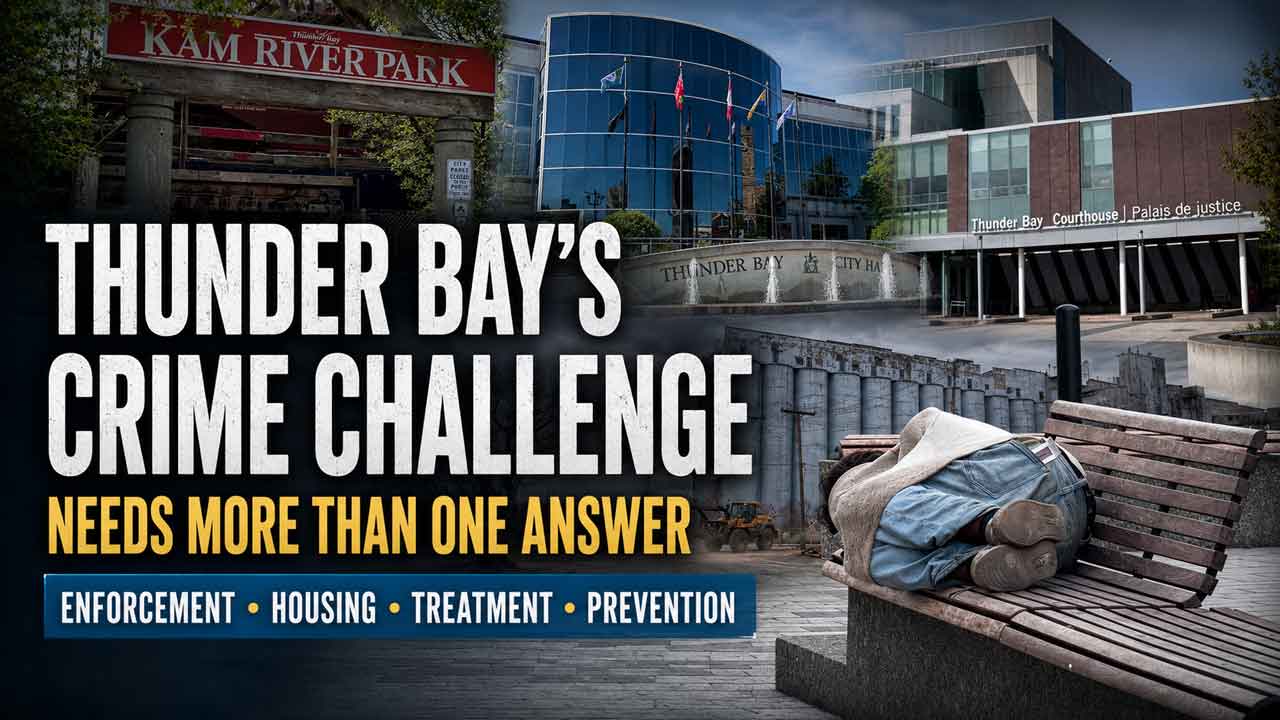
Thunder Bay’s Crime Challenge Needs More Than One Answer
THUNDER BAY — Thunder Bay’s crime data points to a clear conclusion: residents are not imagining the pressure on public safety, but the solution will not come from policing alone.
This is a follow-up article to: What is the Truth? Has Crime in Thunder Bay Become Out of Control?
While it is easier to complain and to place blame, hitting on City Council, the federal and provincial government, and First Nations and police, the simple reality is there are solutions and many of them are the focus of each of those groups.
Getting to the solutions are not as simple as snapping our city’s fingers. It will take hard work and an engaged city and citizens.
The Facts: Thunder Bay’s 2024 Crime Severity Index was 107.7, up eight per cent from 2023, with a police-reported crime rate of 6,867 incidents per 100,000 people.
Canada’s overall CSI was 77.9 and the national crime rate was 5,672 per 100,000.
Statistics Canada also reported that Thunder Bay had Canada’s highest homicide rate among census metropolitan areas in 2024, rising to 6.08 per 100,000.
The data says Thunder Bay needs a dual strategy: enforcement and prevention
The numbers show Thunder Bay has a serious violent-crime problem, especially when measured by homicide and violent crime severity.
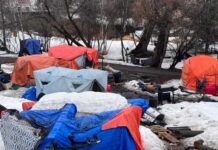
At the same time, the factors feeding crime include addiction, homelessness, poverty, mental health, racism, youth disconnection, organized drug trafficking and gaps in treatment and housing.
That means the city needs two tracks operating at the same time: immediate safety for residents, businesses and public spaces, and long-term prevention that reduces the number of people reaching crisis in the first place.
What the City is doing
The City’s main policy vehicle is the Community Safety and Well-Being Plan, which looks beyond emergency response to root causes such as housing, income, food security, mental health, racism, belonging, public spaces, climate and access to services.
The city is updating the plan for 2026-2030 with community input.
That is the right framework.
But the next plan needs harder public accountability. Residents should be able to see annual targets and results for violent crime, youth violence, homelessness, racism incidents, downtown disorder, repeat emergency calls, housing placements, treatment access and service wait times.
Thunder Bay has also received up to $20.7 million through the federal Housing Accelerator Fund to fast-track new housing and reduce barriers to multi-unit development. That matters because public safety cannot be separated from housing supply, supportive housing and stable neighbourhoods.
What social agencies are doing
Social agencies are carrying much of the prevention work.
The Thunder Bay Situation Table, established in 2017, brings together service providers to intervene when a person, family, group or place is at acutely elevated risk of harm. Its members include health, education, justice, Indigenous, social service and emergency-response organizations.
That model is important because many people involved in repeated police, ambulance, shelter or emergency-room calls are not helped by one agency acting alone. The gap is often not lack of compassion. It is lack of coordinated capacity.
TBDSSAB has also announced $10.7 million in capital funding for projects that will add 66 transitional housing units and 120 emergency shelter spaces to the local system. Projects include transitional housing through Urban Abbey, PACE and Teen Challenge, a temporary shelter village led by the City of Thunder Bay, and expanded emergency shelter capacity at Grace Place. TBDSSAB says it has supported more than 320 transitional, long-term and supportive housing spaces since 2019.
Shelter House’s Street Outreach Services program has also returned with annualized operating funding through the Homelessness Prevention Program. The program supports people sleeping outdoors with basic needs and helps move people toward shelter and services.
These are meaningful steps, but the scale of need remains larger than the current response.
Thunder Bay needs more permanent supportive housing, more addiction treatment capacity, culturally safe Indigenous-led services, youth housing, mental health crisis beds and after-hours outreach.
What police are doing
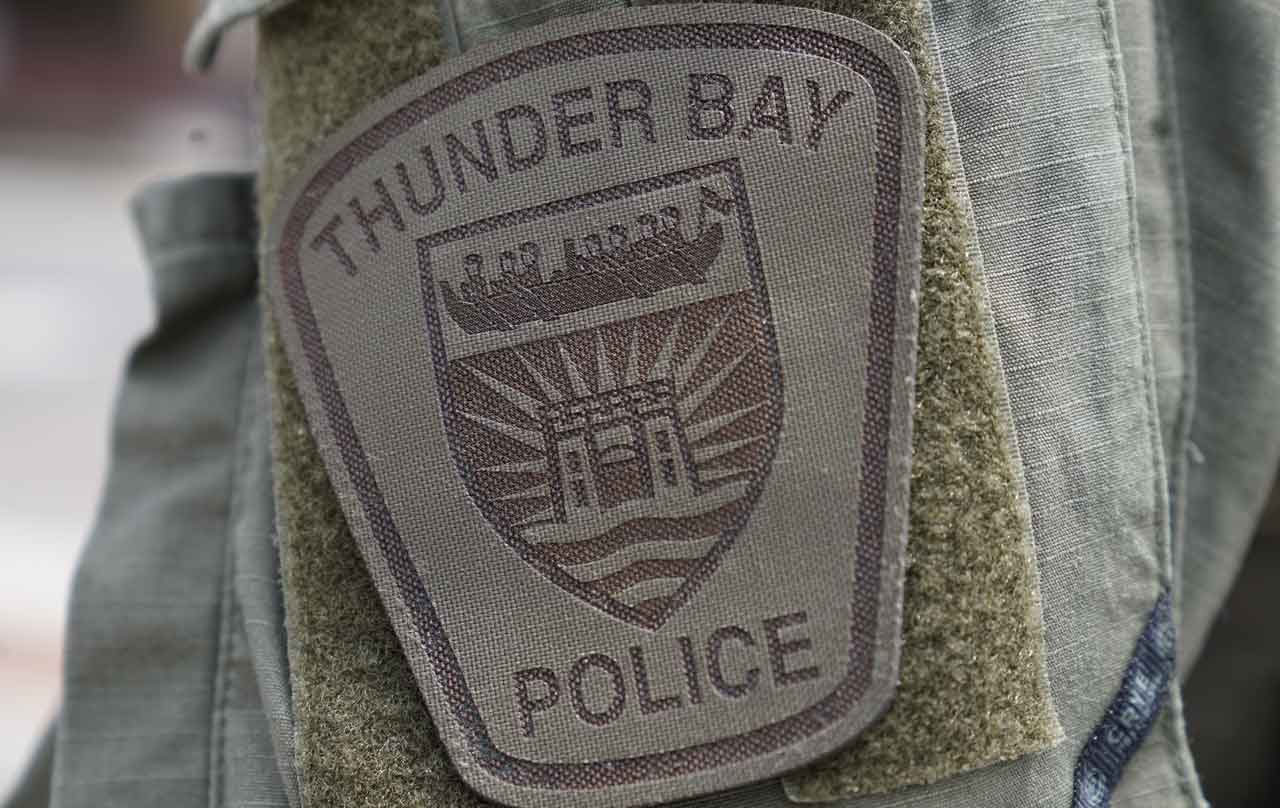
Thunder Bay Police have shifted more visible resources into downtown areas through Project Support, led by the Community Oriented Response and Engagement Unit with support from the Emergency Task Unit.
The initiative pairs patrols with a social navigator and focuses first on referrals to social services, housing or addiction supports, with enforcement used when unlawful or disruptive behaviour continues.
From April 20 through the end of May, Project Support recorded 1,485 community contacts, 113 referrals generated, 53 referrals accepted and 25 warrants executed. The pilot has been extended to Sept. 1, 2026, and patrols are focused on Red River Road, Cumberland Street, Court Street, Algoma Street, May Street and the Victoriaville area.
Those numbers show both promise and limitation. The contact volume is high, and warrants matter where repeat offending is part of the problem.
But only 53 accepted referrals out of 1,485 contacts shows that outreach without enough treatment, housing and trust will not be enough.
The formal evaluation after Project Support ends should report more than contacts. It should measure changes in calls for service, violent incidents, open drug use, business complaints, repeat contacts, referrals completed and resident confidence.
Police are also using mental health response teams. TBPS says its IMPACT teams pair police officers with Canadian Mental Health Association workers for crisis calls and reached more than 1,600 people in the first year. The service also says it works with more than 30 local organizations and uses a social navigation coordinator to help people access care and reduce repeat police interactions.
On violence prevention, police say Project Prevent provides gang-recruitment avoidance education to about 2,500 youth annually in and around Thunder Bay, including travel to First Nations communities, and that school resource officers have been assigned full-time to Dennis Franklin Cromarty and Matawa Education since fall 2024.
The pressure on police is real
Police data also shows why residents experience delayed responses and why officers are under strain. TBPS says that in 2024, 60 per cent of calls were high-priority, meaning an immediate threat to life or serious injury, and nearly one in four calls were Priority 1, often involving weapons. Those calls can require two or more officers and tie up resources for hours.
That does not mean every public safety problem should become a police call. It means the opposite: the city must reduce the number of crises that reach police in the first place, while ensuring officers have the capacity to respond quickly to violence, weapons calls, robberies, assaults and threats to life.
What needs to happen next
Thunder Bay should move to a clearer public safety model with measurable targets.
First, the city needs a public dashboard that combines police, fire, EMS, shelter, outreach and social-service indicators. Residents should not have to guess whether Project Support, the Community Safety and Well-Being Plan or new housing investments are working.
Second, Thunder Bay needs a stronger violent-crime strategy focused on repeat violent offending, weapons, drug-trafficking networks, bail compliance and youth recruitment. That must be targeted and intelligence-led, not broad enforcement that sweeps vulnerable people into the justice system without reducing violence.
Third, the city and province must accelerate supportive housing. Emergency shelter beds reduce immediate danger, but supportive housing with mental health and addiction supports is what can reduce repeat emergency calls over time.
Fourth, addiction treatment must be available when people are ready. A referral that leads to a waitlist will often fail. Thunder Bay needs low-barrier detox, treatment, recovery housing, counselling, Indigenous-led healing options and followup supports.
Fifth, youth prevention must be treated as a public safety priority. Sports, after-school programs, employment, mentorship, cultural programming, safe transportation and school supports are not “soft” responses. They are anti-recruitment infrastructure.
Sixth, racism and public trust must remain central. The City’s own safety framework identifies racism and belonging as factors that shape safety and well-being. If Indigenous residents, newcomers, Muslim families, international students or racialized residents do not feel safe or respected, public safety strategies will not have full community legitimacy.
The bottom line
Thunder Bay is doing many of the right things: a community safety plan, downtown stabilization patrols, social navigation, mental health response, housing projects, street outreach, youth prevention and multi-agency risk intervention.
The question now is whether those efforts are large enough, fast enough and accountable enough.
The data says the city cannot afford to choose between enforcement and compassion. It needs both: firm action against violence and trafficking, and serious investment in housing, treatment, youth supports and trust.