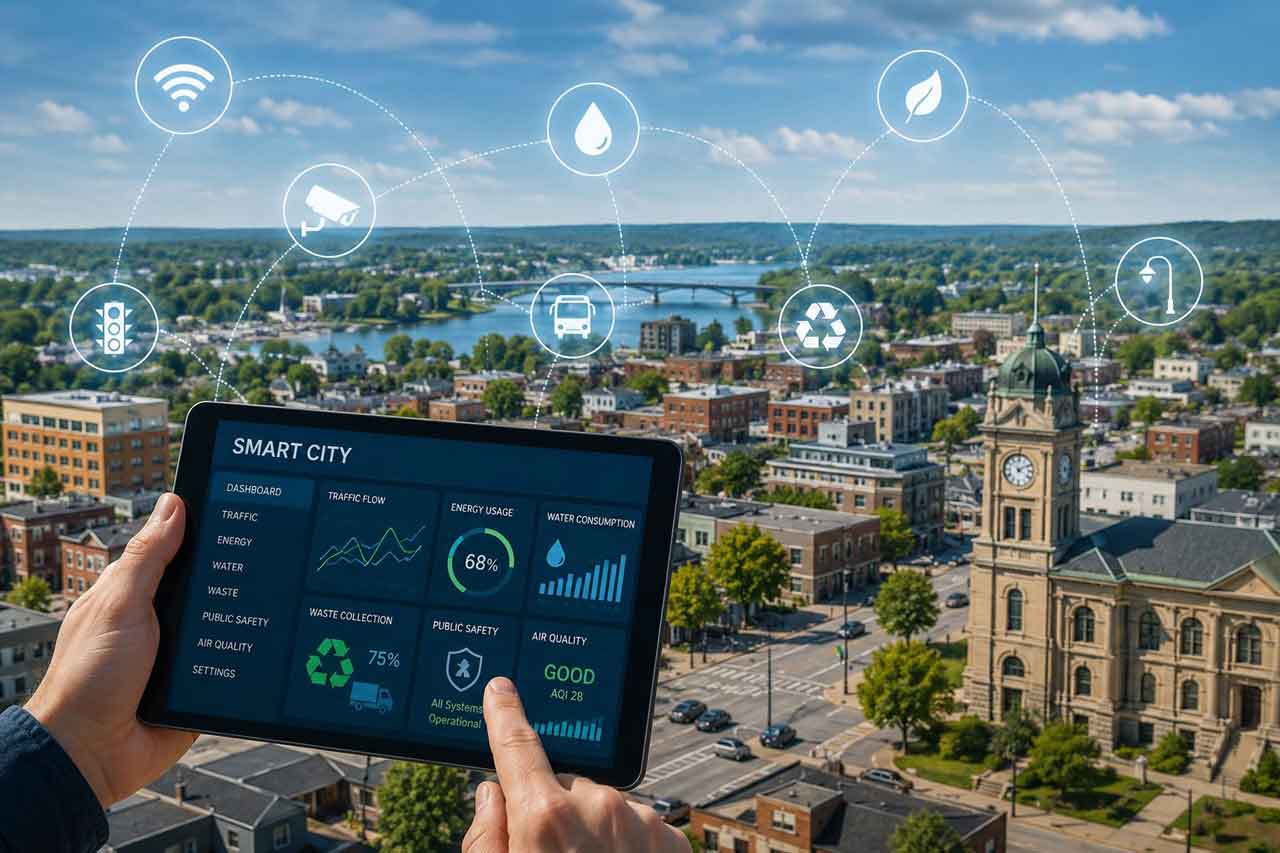
For many years, discussions about smart technology focused mainly on large metropolitan areas. Major cities often attracted attention because they had larger populations, more complex infrastructure, and greater financial resources.
Online casinos continue to reflect broader trends in digital consumer behavior, and platforms such as rollambia illustrate how users increasingly expect fast access, straightforward interfaces, mobile compatibility, and around-the-clock availability from online services. These expectations influence not only entertainment platforms but also the way people interact with digital tools in many other areas of daily life.
Today, however, a different trend has emerged across Canada. Smaller cities increasingly invest in digital tools, connected systems, and data-driven services that help local governments manage resources, improve public services, and respond to community needs more efficiently.
In conversations about digital trends, references such as rollambia occasionally appear when discussing how online platforms continue to shape expectations around convenience, accessibility, and technology-driven services. Similar expectations increasingly influence how residents interact with municipal services in smaller Canadian cities.
The Changing Reality of Municipal Management
Local governments face growing pressure to maintain roads, water systems, public transportation, waste collection, and emergency services while working within limited budgets. At the same time, residents expect faster communication and more responsive services.
Several decades ago, municipalities often relied on manual reporting, paper records, and periodic inspections. Those methods required considerable time and effort. Today, many cities use digital systems that collect information continuously and help staff identify issues before they become larger problems.
A connected water monitoring system, for example, can alert operators when pressure changes occur. Smart traffic controls can adjust signal timing according to actual vehicle flow. Digital maintenance platforms can help public works departments schedule repairs more effectively.
These tools do not eliminate challenges. They simply allow municipal teams to make better-informed decisions.
Why Smaller Cities Can Move Quickly
Many people assume that large urban centers always adopt new technology first. In practice, smaller municipalities often move faster because they manage fewer layers of administration and face less organizational complexity.
When a community serves 50,000 residents rather than several million, decision-makers can often evaluate projects more quickly. Staff members frequently work across multiple departments and communicate directly with one another. This structure can shorten approval timelines and reduce delays.
Smaller cities also tend to focus on highly specific goals rather than broad digital programs. Instead of redesigning every municipal service at once, they often target individual problems and implement technology that addresses those needs directly.
Common priorities include:
- Water system monitoring
- Traffic management
- Public safety communication
- Waste collection efficiency
- Energy consumption tracking
- Infrastructure maintenance
- Online citizen services
This focused approach often allows communities to see measurable results within a shorter period.
Growing Demand for Better Connectivity
Internet access plays a central role in the expansion of smart technology. Over the past decade, many regions across Canada have improved broadband coverage and network capacity.
As connectivity improves, local governments gain access to tools that once seemed impractical. Remote monitoring, cloud-based management systems, and digital communication platforms become easier to deploy when stable internet infrastructure exists.
Residents also expect more online access than previous generations. Many people now prefer digital service portals, online permit applications, electronic payments, and mobile notifications.
Municipal leaders recognize these expectations and increasingly modernize services to match them.
The trend extends beyond convenience. Digital access can also reduce administrative workloads and improve response times.
Workforce Challenges Encourage Innovation
Labour shortages affect many Canadian communities. Municipal departments often struggle to recruit skilled workers for technical and operational roles.
Smart technology cannot replace employees entirely, but it can help existing teams manage larger workloads.
For example:
| Municipal Function | Technology Application |
| Water Management | Automated monitoring systems |
| Road Maintenance | Asset tracking platforms |
| Public Transit | Real-time vehicle monitoring |
| Waste Collection | Route optimization software |
| Emergency Services | Digital dispatch tools |
When staff numbers remain limited, these systems help departments prioritize tasks and allocate resources more effectively.
This practical benefit motivates many local governments to invest in technology even when budgets remain tight.
Infrastructure Costs Continue to Rise
Infrastructure maintenance represents one of the largest expenses for municipalities. Roads, bridges, water facilities, and public buildings require continuous attention.
Unexpected failures often create expensive emergency repairs. As a result, many cities now focus on preventive maintenance supported by data collection.
Sensors and monitoring tools can identify developing issues before they become major problems. Municipal teams can schedule repairs based on actual conditions rather than fixed timelines alone.
This strategy helps communities reduce waste and improve long-term planning.
Financial considerations remain important. Local governments rarely pursue technology simply because it appears modern. They generally seek solutions that help control future costs while maintaining service quality.
Environmental Goals Drive New Projects
Environmental concerns also influence technology adoption.
Many municipalities track energy consumption, water usage, emissions, and waste management performance more closely than in the past. Digital monitoring systems allow local governments to collect accurate information and evaluate progress over time.
Examples include:
- Smart street lighting systems that reduce electricity consumption.
- Water monitoring tools that identify leaks earlier.
- Building management systems that track heating and cooling performance.
- Digital fleet management platforms that reduce unnecessary fuel usage.
These projects often align environmental objectives with financial considerations, creating additional incentives for implementation.
Residents Expect Faster Communication
Public communication has changed significantly during the last decade.
Residents no longer rely exclusively on local newspapers, radio broadcasts, or physical notices. Many expect updates through websites, mobile applications, email alerts, and social media channels.
Municipal governments increasingly use digital communication platforms to share information about:
- Road closures
- Weather-related disruptions
- Emergency situations
- Public meetings
- Utility interruptions
- Community events
Faster communication improves transparency and helps residents stay informed about local developments.
It also allows municipal staff to receive feedback more quickly.
Data Supports Better Planning
Long-term planning becomes more effective when decision-makers have access to accurate information.
Smart technology generates data that helps municipalities understand usage patterns, infrastructure performance, and service demand.
For example, traffic monitoring systems can identify congestion patterns. Water usage data can reveal seasonal trends. Transit information can highlight changes in passenger activity.
Instead of relying heavily on assumptions, planners can evaluate measurable information and adjust strategies accordingly.
This approach supports more informed investment decisions and helps local governments allocate resources where they can have the greatest impact.
Provincial and Federal Support
Government funding programs also contribute to technology adoption.
Many infrastructure initiatives now include digital components or encourage municipalities to incorporate technology into broader improvement projects.
Support programs often focus on goals such as:
- Infrastructure modernization
- Environmental performance
- Broadband expansion
- Public safety improvements
- Community resilience
Access to external funding can make projects more feasible for smaller municipalities that might otherwise struggle to finance new systems independently.
As funding opportunities expand, more communities explore digital solutions that previously remained outside their budgets.
Building Resilience for the Future
Canadian communities face a wide range of challenges, including population changes, climate-related events, infrastructure demands, and economic uncertainty.
Technology alone cannot solve every issue. However, many municipalities view digital tools as part of a broader strategy that helps them respond more effectively to changing conditions.
Emergency management systems, infrastructure monitoring platforms, and predictive maintenance programs all contribute to stronger preparedness.
Local governments increasingly seek practical ways to improve service delivery while maintaining financial responsibility. Smart technology supports those goals when municipalities implement it thoughtfully and focus on measurable outcomes.
Looking Ahead
Small Canadian cities continue to adopt smart technology at an accelerating pace because they face real operational challenges that require practical solutions. Better connectivity, workforce pressures, infrastructure costs, environmental objectives, and changing public expectations all contribute to this trend.
Rather than pursuing large-scale digital programs for their own sake, many municipalities focus on specific issues that affect daily operations. They look for tools that help staff work more efficiently, improve communication, strengthen planning, and manage resources more effectively.
As technology becomes more accessible and affordable, this movement will likely continue. Small cities across Canada increasingly recognize that digital systems can support long-term goals while helping communities deliver the services that residents expect. The result is not a dramatic shift driven by technology alone, but a steady process of modernization shaped by practical needs and local priorities.