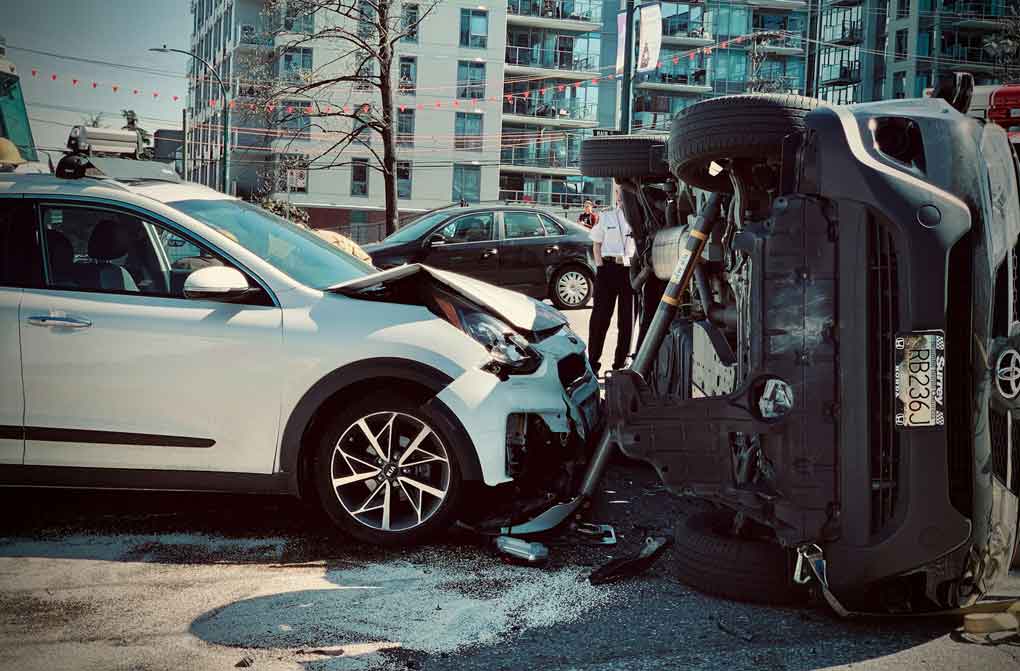
Your rights after a car crash in the United States generally include the ability to seek medical care, report the incident, file insurance claims, and pursue compensation when another party is legally responsible. The exact rules, however, vary from state to state, making it important to understand the laws where the collision occurred.
Canadian drivers visiting the U.S. may face additional challenges after an accident. Medical billing practices, insurance requirements, and fault standards often differ from what they are accustomed to at home.
Preparation can make navigating the aftermath of a cross-border crash much easier. Knowing the basic steps and understanding state-specific differences can help protect both your health and your financial interests.
How Do Car Crash Laws Differ From State to State?
Every state has its own rules regarding fault, filing deadlines, and insurance claims. Travelers involved in a collision should familiarize themselves with local laws or consult resources such as a Fort Worth car crash lawyer when seeking guidance on state-specific procedures and insurer practices.
Legal requirements may change significantly depending on where the accident occurs. Reviewing local regulations can help drivers avoid missed deadlines or misunderstandings during the claims process.
Areas that often vary include:
- Fault standards
- Filing deadlines
- Insurance requirements
- Damage recovery rules
- Court procedures
Learning about these differences early can simplify later decisions.
When Should You Notify Your Insurance Company After a Crash?
Contacting your insurer soon after a crash is an important first step. Many Canadian auto policies provide coverage while driving in the United States, but prompt notification helps preserve your rights under the policy.
Keep records of every communication related to the claim. Documentation may prove valuable if questions arise later about coverage or reimbursement.
Useful information to collect includes:
- Claim numbers
- Adjuster contacts
- Policy details
- Repair estimates
- Medical invoices
Organized records can make future conversations much smoother.
Why Is Seeking Medical Attention So Important?
Medical care should always take priority after an accident, even if injuries initially seem minor. Some symptoms may not appear until hours or days after the collision.
Retaining copies of diagnoses, treatment plans, and expenses can support insurance claims and provide a complete picture of recovery. Consistent documentation also helps track ongoing medical needs.
Important records may include:
- Emergency reports
- Hospital bills
- Prescription receipts
- Physician notes
- Therapy records
Accurate files reduce confusion during the claims process.
What Evidence Should You Gather at the Accident Scene?
Gathering evidence immediately after a crash can strengthen insurance claims and clarify what happened. Photos and witness information are often valuable if liability becomes disputed.
Whenever it is safe to do so, drivers should document key details before vehicles are moved or conditions change.
Helpful evidence includes:
- Vehicle photographs
- Road conditions
- Witness names
- Police report information
- Insurance details
Careful documentation supports a more complete account of the incident.
How Do Rental Cars and Underinsured Motorist Coverage Affect Your Rights?
Rental vehicles and underinsured motorist protection may involve separate insurance provisions. Coverage can depend on personal policies, rental agreements, or credit card benefits.
Reviewing available protections before traveling across the border may help avoid unexpected expenses. Understanding policy limits can also make post-accident decisions easier.
How Can You Protect Your Rights After a U.S. Car Crash?
Cross-border accidents can be stressful, but understanding your rights and responsibilities helps reduce uncertainty. Prompt reporting, thorough documentation, and awareness of local laws all contribute to a smoother recovery and claims process.
Drivers visiting the United States should remember that legal standards differ by state, making research especially important after a collision. For travelers seeking additional information about Texas-specific accident issues, the resources available through 1800 Lion Law can provide helpful guidance when evaluating next steps.