Inflation Rise Fuels Affordability Fight as Poilievre Targets Carney Liberals
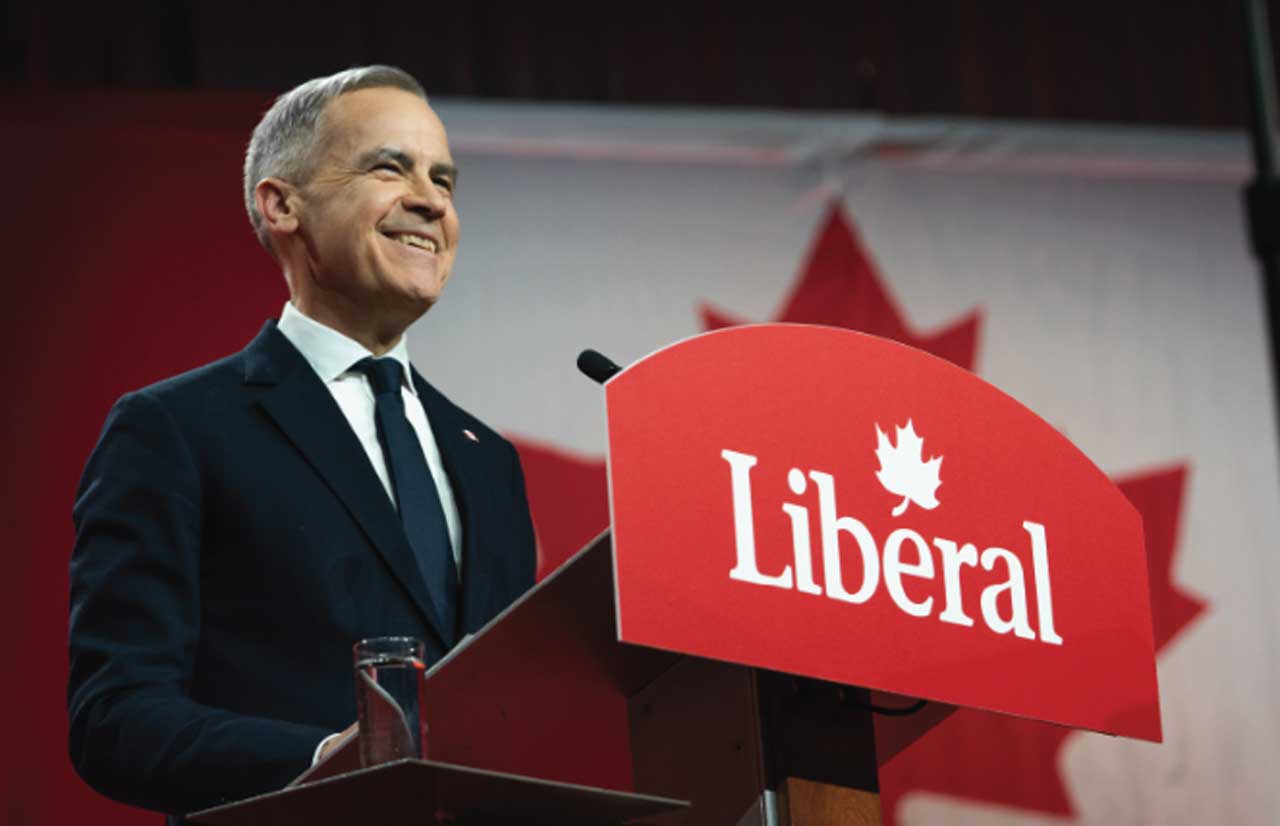
OTTAWA — Conservative Leader Pierre Poilievre is blaming Prime Minister Mark Carney’s Liberal government for a fresh rise in inflation, while the Liberals point to tax relief, grocery benefits and fuel-cost measures, and New Democrats argue Ottawa must go further to confront grocery and energy profits.
The debate matters in Thunder Bay and Northwestern Ontario, where fuel, food and freight costs carry an outsized impact for households, small businesses, remote communities and regional supply chains.
Statistics Canada Says Inflation Rose to 3.2 Per Cent in May
Statistics Canada reported Monday that the Consumer Price Index rose 3.2 per cent year over year in May, up from 2.8 per cent in April. Excluding gasoline, inflation was 2.2 per cent, up from 2.0 per cent the previous month. On a monthly basis, CPI rose 1.0 per cent in May, while the seasonally adjusted monthly increase was 0.5 per cent.
Gasoline was the largest driver of the increase. Statistics Canada said gasoline prices rose 33.2 per cent year over year in May, compared with 28.6 per cent in April, citing supply uncertainty tied to the conflict in the Middle East and the closure of the Strait of Hormuz. Transportation prices rose 9.0 per cent year over year.
Food prices also continued to pressure household budgets. Statistics Canada said food prices rose 3.8 per cent year over year, while food purchased from stores rose 4.3 per cent, marking the 16th consecutive month grocery inflation outpaced headline inflation. Fresh fruit prices rose 5.3 per cent and fresh vegetables rose 9.0 per cent, with tomato prices up 45.2 per cent.
Ontario’s inflation rate was lower than the national figure, at 2.6 per cent year over year in May, compared with 3.2 per cent for Canada. However, the national increases in gasoline, groceries and transportation remain important for Northwestern Ontario because many communities depend on long-distance trucking, personal vehicles, air travel and seasonal supply routes.
Poilievre Blames Liberal Policy
In a June 22 statement, Poilievre said the new inflation numbers show Canadians are paying more under Carney’s leadership. He argued the government has failed on affordability and linked the inflation data to Conservative concerns about federal spending, debt and taxes.
“Mark Carney promised that he would be judged by the price at the grocery store,” Poilievre said in the statement. “It was all an illusion.”
Poilievre pledged that a Conservative government would end what he called inflationary deficit spending, introduce a dollar-for-dollar law requiring new spending to be matched by savings, cut government waste and cancel projects he characterized as too costly, including the ALTO high-speed rail proposal.
His criticism also comes against broader debate about whether Canada is in a technical recession. Statistics Canada reported real GDP was unchanged in the first quarter of 2026 after declining 0.2 per cent in the fourth quarter of 2025.
Reuters reported some economists call the annualized figures a technical recession, while others have cautioned that the weakness was not broad enough to support that label.
Liberals Point to Benefits, Tax Cuts and Fuel Measures
The Liberal government’s position is that affordability pressures are being addressed through targeted relief and long-term economic measures.
The Prime Minister’s Office has said the government is cutting taxes for 22 million Canadians, expanding housing supply, protecting social programs and launching the Canada Groceries and Essentials Benefit.
That benefit is set to increase the former GST credit by 25 per cent for five years beginning in July 2026, with an additional one-time payment this year. The government says a family of four could receive up to $1,890 this year and about $1,400 annually for the next four years, while a single person could receive up to $950 this year and about $700 annually afterward. The Liberals say the benefit will support more than 12 million Canadians.
The government has also pointed to its decision to cancel the federal consumer carbon tax effective April 1, 2025, and says that move lowered gas prices in most provinces and territories by up to 18 cents per litre compared with 2024-25.
New Democrats Say Ottawa Is Not Doing Enough
New Democrats argue the Liberal affordability response does not go far enough. In April, NDP Leader Avi Lewis said the federal spring economic statement “fails to meet the moment,” arguing it did not include enough new measures to bring down the cost of living or tax excessive corporate profits.
On food prices, the NDP has called for stronger action against grocery concentration and corporate profiteering. The party has proposed publicly run grocery stores, stronger competition measures and a windfall profits tax on oil and gas companies. In a June 15 statement, New Democrats said any federal food security strategy should be judged by whether it helps families put food on the table, especially in rural, remote and Northern communities.
Earlier NDP policy positions have also called for making GST relief on groceries permanent, enforcing the Grocery Code of Conduct, policing anti-competitive practices and using government power to reduce prices on essentials.
What It Means for Thunder Bay and Northwestern Ontario
For Thunder Bay, inflation is not only a national political issue. Higher gasoline prices affect commuters, contractors, home-care workers, small businesses, transport firms and families travelling long distances for medical appointments, sports and education. Higher freight costs can also flow into store prices across the region.
For remote and First Nations communities, the pressure can be greater.
Fresh food already depends on complex supply chains, including road, air and seasonal winter-road access. When fuel and fresh produce prices rise at the same time, household food security becomes more difficult, particularly in communities where income supports, housing shortages and transportation barriers already shape daily life.
Resource and transportation industries will also be watching fuel and interest-rate signals closely. Forestry, mining exploration, construction and trucking all face cost exposure when fuel prices spike.
If inflation remains above the Bank of Canada’s target range, borrowing costs and investment decisions could become more complicated for regional employers and municipalities.
Inflation Fight Remains Political and Economic
The May numbers give all three major parties ground to argue their case. Conservatives say inflation reflects Liberal mismanagement.
Liberals say global energy shocks and supply issues are being met with targeted household relief. New Democrats say both older approaches fail to confront corporate power in groceries, fuel and housing.