by Xavier Kataquapit
www.underthenorthernsky.com
Attawapiskat – NEWS – I’m happy to see the ongoing support and assistance in our northern remote communities to help our people cope with so many lifelong and generational issues, trauma and pain that our people carry. It took me many years to understand that these programs or services are not a one-stop service or a single program that will provide instant resolutions or cures for the issues that plague our people. Much of the trauma that our people deal with are issues that affect our communities across generations.
These are issues that stem from generations of systemic racism in our northern communities, where being Indigenous was considered something negative to be looked down upon. That culture of looking down on a people is what led to the Residential School system, where Indigenous children were removed from their families and taught that they were not good enough as people. That cultural racism is also what led to the 60s Scoop, where Indigenous children were swept into the foster care system. There are also many more issues and difficulties that Indigenous people face everywhere across Canada that contribute to our families having to deal with way more trauma, tragedy and sadness. All those pastharms may have stopped but when people suffer those difficulties as children, it is a pain they carry with them for a lifetime.
So if these issues are born of years, decades, or generations, it stands to reason that it will also take a great deal of time, or even lifetimes, to deal with them in a positive and healing way.
Over the past few years, it felt good to know that in my home community of Attawapiskat, the Crisis Mental Health Support program has provided much needed help in so many ways. This program by the Attawapiskat First Nation provides male and female traditional and mental health counselors in the community to those in crisis, those who are grieving or those who need trauma support. They provide group assistance and one-on-one counseling and they are available at all hours.
The Crisis Mental Support program workers are trained individuals with experience in providing mental health support and counseling. Many of these workers are community members who can speak to those they assist in our Inineemoon (Cree language). Community members have reported that it’s comforting and reassuring to have these workers available and to be able to speak in our traditional language. These workers are available 24 hours a day, every day, with individuals rotating through regular shifts throughout the day or night.
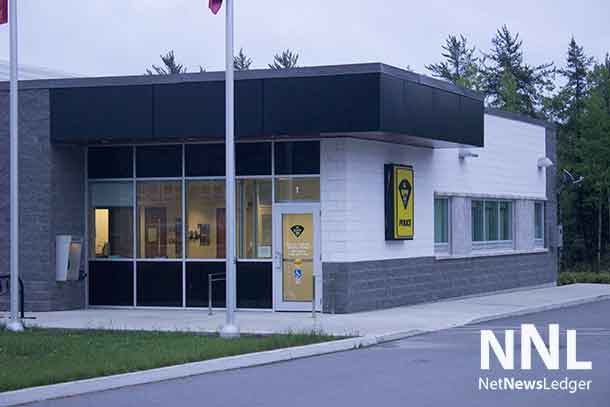
The community also supports a Peacekeeping program that aims to prevent or reduce the amount of alcohol and illegal substances entering the community. In a recent public post by Joe Louttit, a community leader and organizer of the Peacekeeping program, an estimated $3.5 million street value of drugs and alcohol was prevented from entering the community this past year. Joe admitted that it did not fully stop the entry of all harmful substances from the community but at the very least, it reduced the harm that could have been caused.
The troubles that our northern remote communities are feeling today are reminiscent of the issues we faced with alcohol in the 1970s and 1980s. At the time, alcohol abuse felt like it was choking the life out of people. Airports were just introduced during this time, and regular flights brought in a steady supply of materials, including alcohol. Back then, as a child, I can remember feeling constantly in fear of what would happen as there was a near constant barrage of tragic events involving alcohol abuse that led to injuries, destruction and even death.
Our community Elders and leaders rallied at the time and instituted a ban on alcohol and illegal substances because they saw what alcohol and drug abuse were doing to our people. It never completely stopped these activities but it reduced this harm. I can also remember the feeling of safety and security that came back to the community once we knew that our Elders and community leaders were working hard to protect our people.
In many ways, this modern opioid crisis feels the same as the alcohol abuse crisis in my home community in the 1980s. There are many different new street drugs that are making it far too easy to fall into the deadly trap of addiction.
This is why I feel hopeful about the work that the Crisis Mental Health Support program and the Peacekeeping program have provided. In the face of overwhelming odds, the community is fighting back against a wave of alcohol and modern drug abuse. They are working to find solutions to help people cope with historical trauma. These programs may seem like small things that can’t do enough to help. It is the same hopeless feeling we felt in the community when we dealt with alcohol abuse in the 1980s. However, over time, these small steps created a small window of opportunity for a new generation to grow up in a brighter, healthier and supportive environment.
It may feel like these programs are fighting against impossible odds but every step we take to save anyone we can, inany small way, contributes to greater rewards in life in the future.