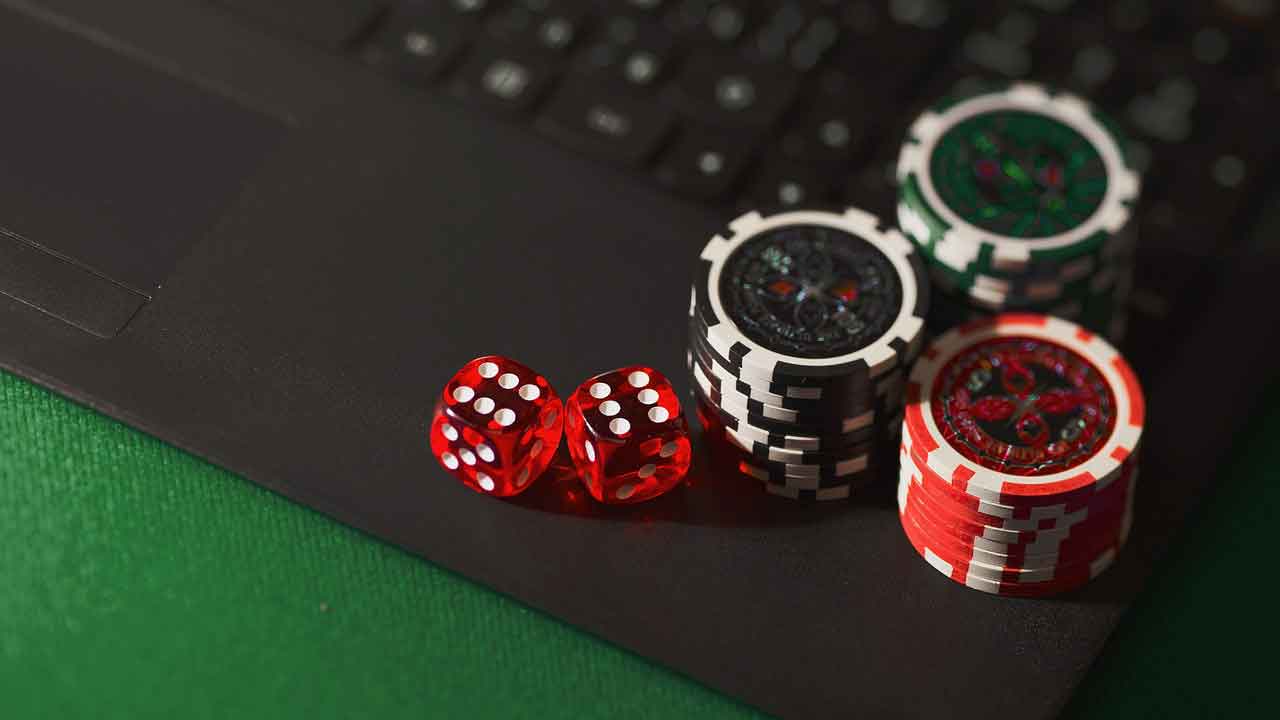
Gambling sits at an unusual crossroads. On one side, it is entertainment: colourful games, quick decisions and moments of excitement. On the other, it involves money, odds and real financial outcomes. Problems usually arise when players lean too far in one direction. Treat gambling only as fun, and spending can spiral. Treat it only as a way to make money, and frustration often replaces enjoyment.
Gambling becomes far more rewarding when players, even while claiming slotsgem bonuses and hitting some lucrative jackpots, aim to play smart enough to protect value while keeping enjoyment at the centre of the experience. Profit, in this context, means extending playtime, reducing unnecessary losses and giving yourself the best possible conditions to walk away ahead
Want to approach gambling in a way that is both enjoyable and financially disciplined, without unrealistic promises or reckless behaviour? Then this piece is for you.
Redefining “Profit” in Gambling
One of the most common mistakes players make is misunderstanding what profitability really means. In gambling, profit is not about winning every session or beating the house consistently. Instead, it is about maximising value over time.
A player who deposits €100, plays responsibly, enjoys several long sessions and occasionally withdraws winnings is often better off than someone who doubles their money once but loses everything the next day chasing bigger wins.
True gambling profitability includes:
- Preserving your bankroll
- Avoiding emotional losses
- Making decisions that reduce unnecessary risk
- Knowing when to stop
When profit is defined this way, it becomes compatible with fun rather than opposed to it.
Choose Games That Match Your Personality
Enjoyment matters more than many players realise. When you play games you genuinely like, you are less likely to rush decisions or overbet out of boredom or frustration.
Some players enjoy the fast pace and visuals of slots. Others prefer the structure and strategy of table games. There is no universally “best” game — only games that suit your temperament.
If you enjoy thinking and control, games with clear rules and steady pacing often feel more rewarding. If you value excitement and variation, simpler games can provide that without mental fatigue. Profitability improves when your game choice keeps you engaged without pushing you into impulsive behaviour.
Discipline Is What Turns Fun Into Sustainability
Fun without discipline fades quickly. Discipline without fun feels like work. The most successful players combine both.
This starts with clear boundaries. Before you play, you should already know:
- How much money you are willing to use
- How long you plan to play
- What outcome signals the end of a session
These decisions should be made calmly, not during play. Once the session starts, your only job is to enjoy the experience within those limits. This removes internal conflict and lets you focus on the game instead of constantly negotiating with yourself.
Bet Size Matters More Than Game Choice
Many players obsess over finding the “best” game but ignore bet sizing. In reality, how much you bet often matters more than what you play.
Smaller, consistent bets allow:
- Longer playtime
- Less emotional volatility
- More chances to experience wins
Larger bets increase adrenaline, but they magnify losses and shorten sessions. If your goal is both fun and sustainability, consistency wins.
A useful mental shift is to see each bet as a ticket to stay in the game, not a shortcut to quick profit.
Use Structure to Protect Enjoyment
Structure may sound restrictive, but it actually protects fun. When you remove uncertainty around limits, gambling feels lighter and more relaxed.
Good structure includes:
- Session-based play, not open-ended sessions
- Planned breaks to reset focus
- Clear rules for walking away after wins or losses
This structure prevents gambling from turning into a stressful attempt to “fix” outcomes. Instead, it becomes a controlled experience where enjoyment comes from participation, not desperation.
Bonuses and Promotions: Value, Not Pressure
Bonuses can increase value, but only when used correctly. They should extend playtime, not pressure you into higher risk.
The mistake many players make is treating bonuses as free money that must be cleared quickly. This leads to oversized bets and poor decisions. A better approach is to treat bonus funds exactly like your own bankroll: slow, structured and within limits.
When you use bonuses patiently, they add enjoyment by reducing the fear of loss and increasing the number of playable rounds.
Emotional Awareness Is a Profit Tool
Emotions influence gambling outcomes more than odds do. Excitement, frustration and overconfidence all change how people bet.
The most underrated skill in gambling is self-awareness. If you notice that you:
- Bet larger when frustrated
- Play longer when tired
- Ignore limits after small wins
then you already have valuable information. Recognising these patterns allows you to step away before enjoyment turns into regret.
Fun gambling feels calm, focused and intentional. The moment tension takes over, profit and enjoyment disappear.
Long-Term Thinking Creates Better Experiences
Short-term thinking leads to rushed bets and emotional swings. Long-term thinking creates consistency and satisfaction.
Players who enjoy gambling over time usually share one trait: they do not judge success by a single session. Instead, they focus on trends, habits and overall experience.
This mindset reduces pressure and allows wins to feel rewarding rather than necessary.