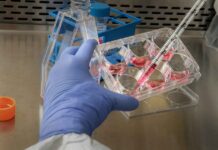
Medical breakthroughs often capture headlines, from revolutionary cancer therapies to life-saving vaccines. While these achievements inspire hope and excitement, few people realize the intricate groundwork that makes them possible. Behind every major advancement lies a less visible but critical stage: preclinical research. This phase serves as the hidden foundation of medical innovation, ensuring that new treatments are safe, effective, and scientifically sound before they ever reach patients.
Understanding the Preclinical Phase
Before any new therapy can be tested in humans, it must undergo rigorous preclinical studies. This stage involves laboratory experiments and animal testing designed to evaluate the safety, efficacy, and potential side effects of a treatment. Researchers investigate how a drug interacts with biological systems, how it is metabolized, and whether it could cause harm. These studies provide the essential data that guide subsequent clinical trials and ultimately inform regulatory approvals.
Preclinical research is meticulous and time-consuming. Each experiment is carefully designed to generate reproducible results while addressing ethical considerations. The insights gained at this stage are invaluable: they allow scientists to identify promising treatments, eliminate unsafe candidates, and refine therapeutic strategies before human exposure.
The Role of Specialized Services
While many organizations conduct preclinical work in-house, an increasing number rely on expert providers for specialized support. Companies offering preclinical research services play a pivotal role in accelerating medical discovery. These services provide access to state-of-the-art laboratories, advanced animal models, and highly trained scientists who bring deep expertise to every project.
Outsourcing to specialized preclinical research services can enhance efficiency and reliability. By leveraging external expertise, pharmaceutical and biotech companies can navigate complex experimental designs, adhere to strict regulatory standards, and reduce the risk of costly delays. This collaboration ensures that promising therapies move from concept to clinical testing with confidence and precision.
Preclinical Research as a Predictor of Success
The quality of preclinical research directly influences the success rate of later-stage trials. Drugs that undergo rigorous preclinical testing are more likely to perform well in human studies, while insufficient or flawed early research can lead to failures and setbacks. Careful preclinical evaluation also helps identify optimal dosages, delivery methods, and patient populations, reducing uncertainty in clinical trials and improving overall outcomes.
Moreover, preclinical studies contribute to scientific understanding beyond the immediate goal of drug development. Insights gained from these investigations inform future research, reveal new biological pathways, and inspire novel therapeutic approaches. In this way, preclinical research forms the intellectual backbone of medical innovation, shaping the treatments of tomorrow.
The Unsung Heroes Behind Every Discovery
While physicians and clinical trial participants often receive public recognition, preclinical scientists frequently remain behind the scenes. Yet their work is indispensable. Every major therapeutic advancement, from targeted cancer therapies to vaccines and regenerative medicine, relies on the foundational knowledge generated in the lab. Without these early investigations, clinical breakthroughs would be far riskier, slower, and less predictable.
In acknowledging the hidden foundation of medical breakthroughs, we gain a deeper appreciation for the full research continuum. Preclinical research is not merely a preliminary step; it is a vital stage where hypotheses are tested, safety is ensured, and innovation takes root. By supporting and investing in this stage, the scientific community lays the groundwork for treatments that can transform lives worldwide.