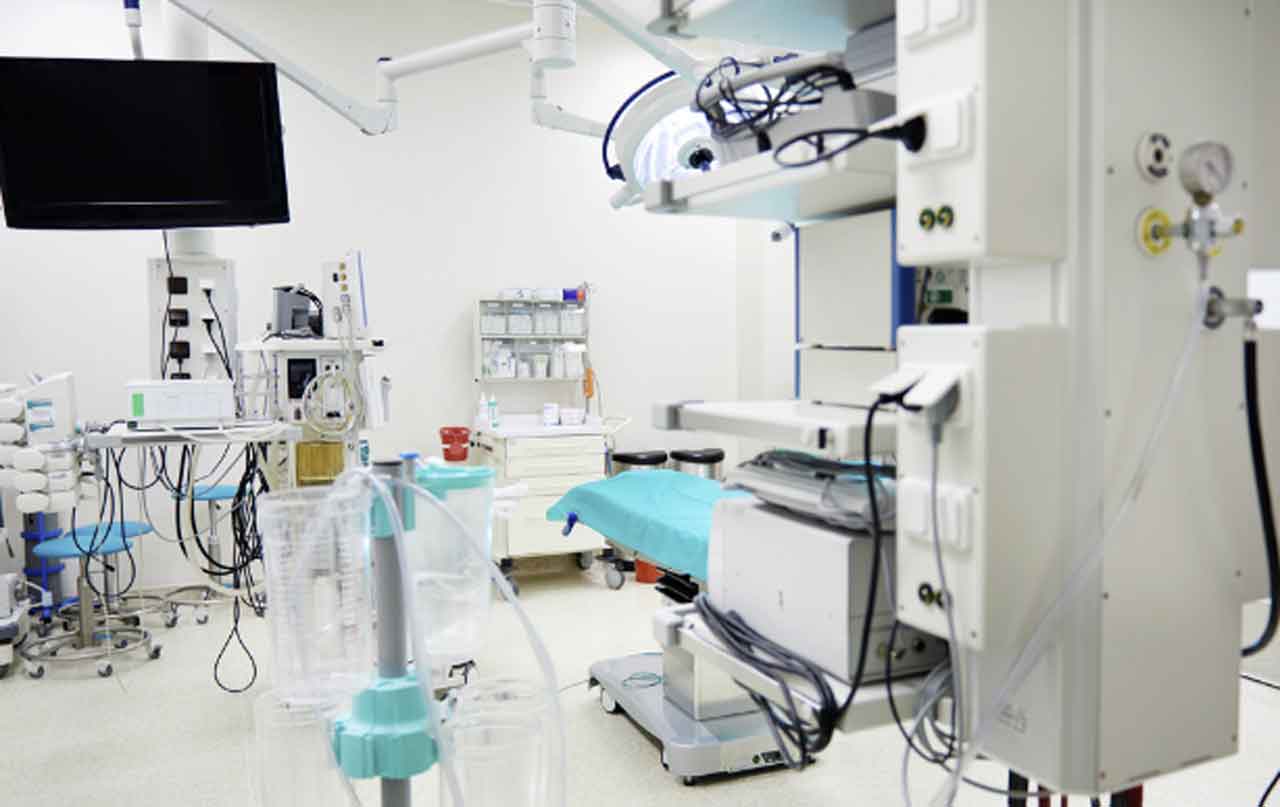
Clinical imaging has undergone a remarkable transformation over the past few decades, reshaping the way healthcare professionals diagnose, monitor, and treat diseases. From the early days of X-rays to advanced MRI and CT technologies, the evolution of imaging has played a pivotal role in improving patient outcomes and expanding the scope of medical research.
The Origins of Clinical Imaging
The journey of clinical imaging began in the late 19th century with the discovery of X-rays. This groundbreaking technology allowed physicians to see inside the human body without invasive surgery for the first time. While rudimentary by today’s standards, early X-ray imaging revolutionized medicine by enabling accurate diagnosis of fractures, infections, and foreign objects. Over time, the development of ultrasound and nuclear medicine added new dimensions, providing functional insights alongside structural images.
The Rise of Advanced Imaging Technologies
As computing power and digital technology advanced, clinical imaging underwent a significant leap forward. MRI and CT scans introduced high-resolution, three-dimensional imaging capabilities, allowing clinicians to detect abnormalities with unprecedented precision. These technologies not only improved diagnostic accuracy but also enabled early detection of diseases such as cancer, cardiovascular conditions, and neurological disorders.
The introduction of functional imaging further expanded the potential of these tools. Techniques like PET scans allowed healthcare professionals to observe metabolic processes in real time, giving them insights into disease progression and response to treatment. This combination of structural and functional imaging has transformed patient care, enabling personalized treatment plans based on a deeper understanding of the disease.
Global Impact on Healthcare Delivery
The evolution of clinical imaging has had far-reaching effects on healthcare systems worldwide. In developed countries, advanced imaging has become a cornerstone of modern medical practice, improving outcomes for millions of patients. It has reduced the need for exploratory surgery, decreased recovery times, and enhanced precision in treatment planning.
In developing regions, access to imaging technology has been a game-changer for public health. Mobile imaging units, portable ultrasound devices, and telemedicine integration have bridged gaps in care delivery, providing timely diagnostics to communities that previously had limited access to advanced healthcare services. This global expansion of imaging capabilities has contributed significantly to early disease detection, better treatment outcomes, and overall healthcare equity.
Enhancing Research and Innovation
Clinical imaging is not only transforming patient care but also driving research and innovation. Researchers rely on advanced imaging to understand disease mechanisms, monitor drug efficacy, and conduct large-scale clinical trials. Institutions like Perceptive are at the forefront, integrating in-house clinical and imaging centers to streamline studies and deliver consistent, high-quality imaging data. This integration supports both academic and commercial research, accelerating the development of new therapies and improving global health knowledge.
The Future of Clinical Imaging
Looking ahead, clinical imaging continues to evolve with the incorporation of artificial intelligence, machine learning, and advanced analytics. AI-powered imaging systems can detect subtle anomalies that may be missed by the human eye, assist in predictive modeling, and automate time-consuming processes. These advancements promise faster diagnosis, more precise treatment plans, and a reduction in medical errors, further enhancing patient outcomes.
Moreover, the continued miniaturization and portability of imaging devices will expand access to high-quality diagnostics worldwide. As technology becomes more accessible, clinical imaging will not only serve hospitals and research centers but also bring advanced healthcare capabilities directly to patients, wherever they are.
Conclusion
The evolution of clinical imaging has fundamentally reshaped modern healthcare. From early X-rays to AI-driven diagnostics, imaging technologies have enhanced disease detection, treatment precision, and global health equity. As we look to the future, the continued advancement of clinical imaging promises to deliver even greater benefits for patients, researchers, and healthcare systems worldwide.