Measure Twice – Cut Once!
THUNDER BAY – CIVIC AFFAIRS – The City of Thunder Bay is at a crossroads. All of the right words have been said on what needs to be done. However now it is time for the real work, and far too many people see the current City Council and Administration as missing the energy and will to move from words to deeds.
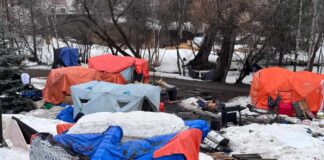
What residents often, too often see, and the decision process over the homeless encampment is a prime example is Administration doesn’t do all the needed work to ensure the best decisions are made by Council. Over the past six months, Admin has presented options to Council that have served only to make Councillors appear foolish.
Making good decisions that will benefit the City of Thunder Bay isn’t easy. It takes integrity, dedication, and the right information.
The real question for many is simple: Is this council fully up to the task?
Drive down Arthur Street or May Street, Water Street, and countless other roads in our city, and it feels more like navigating a bush trail than a modern city artery.

Yes there have been countless infrastructure improvements. The improvements on Red River Road are welcome, despite the challenges for businesses.
Talk to downtown shop owners, especially in the Fort William downtown, and many will tell you property crime has become a weekly—sometimes daily—occurrence. The independent business entrepreneur in our city, and across Canada have had major challenges over the past five years.
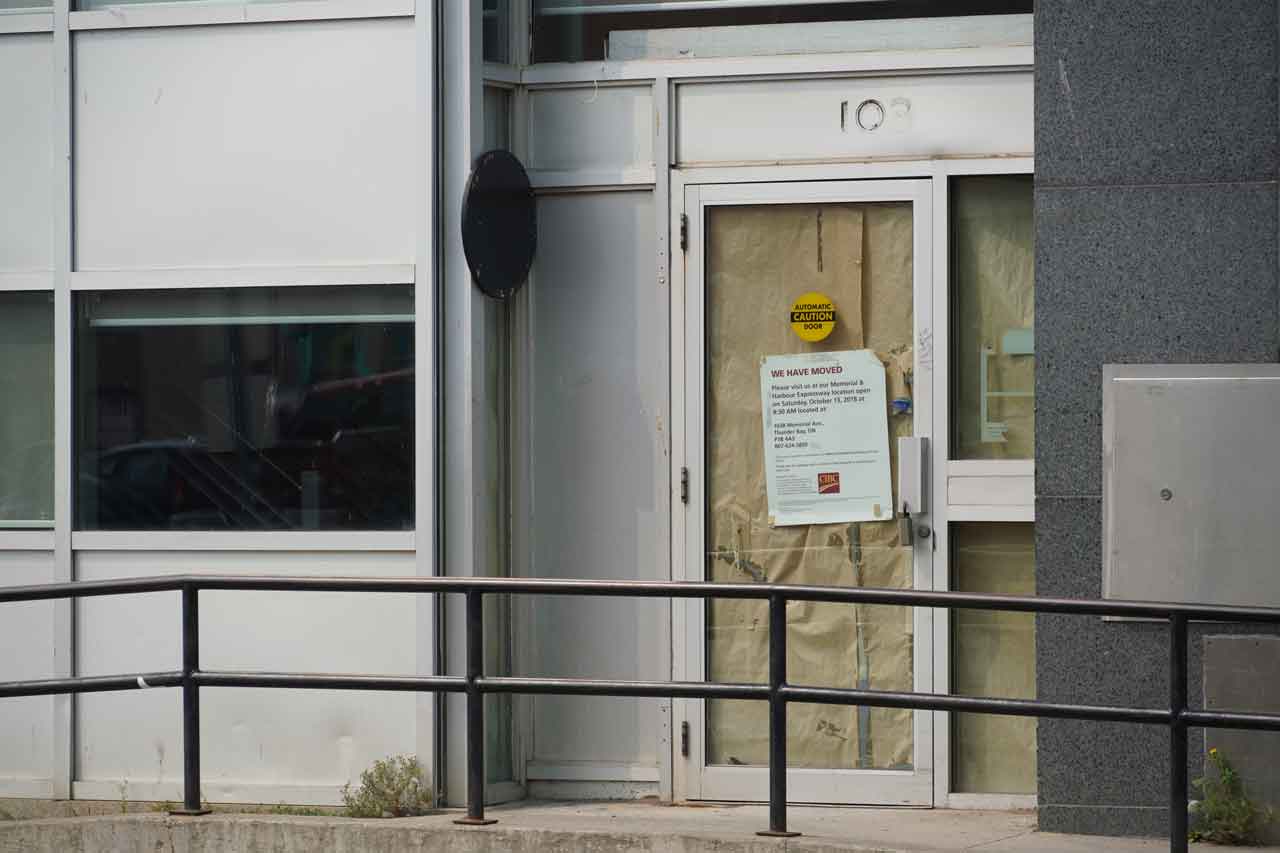
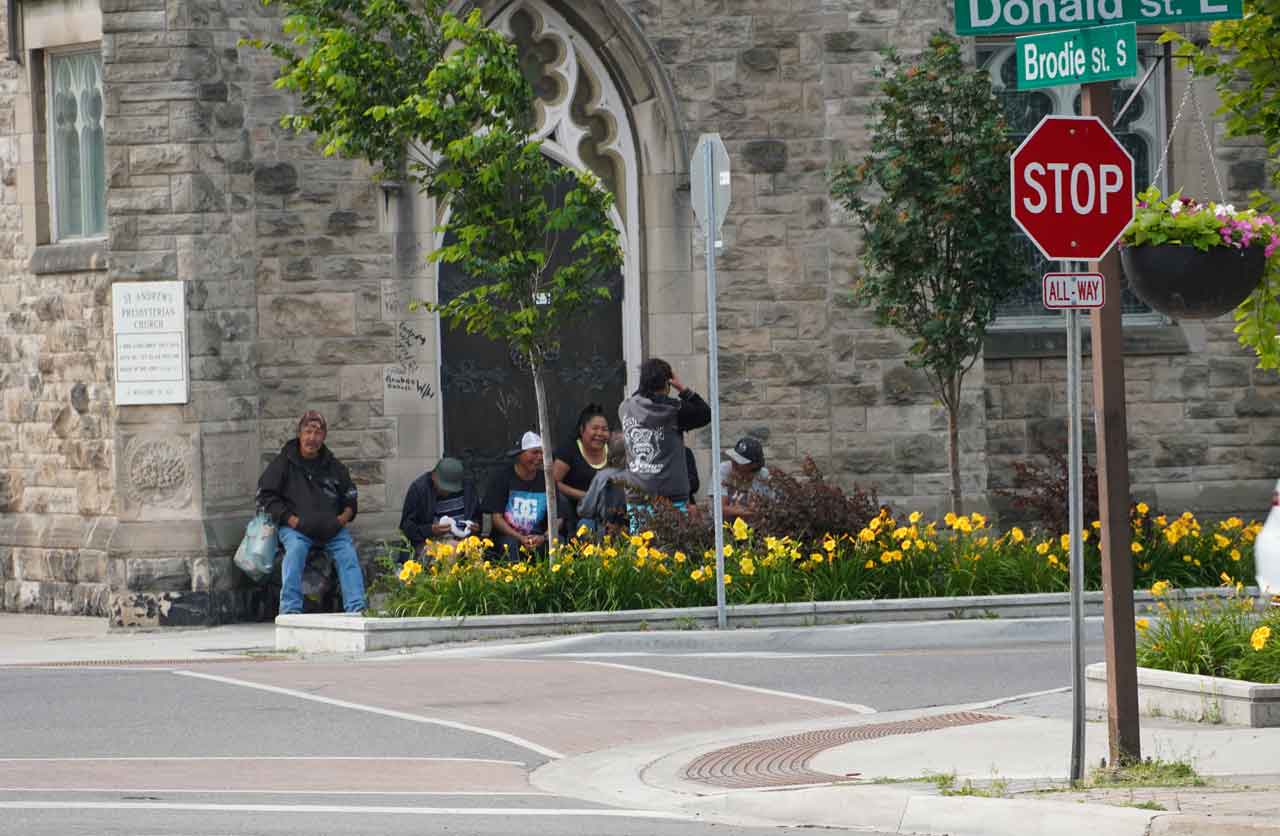
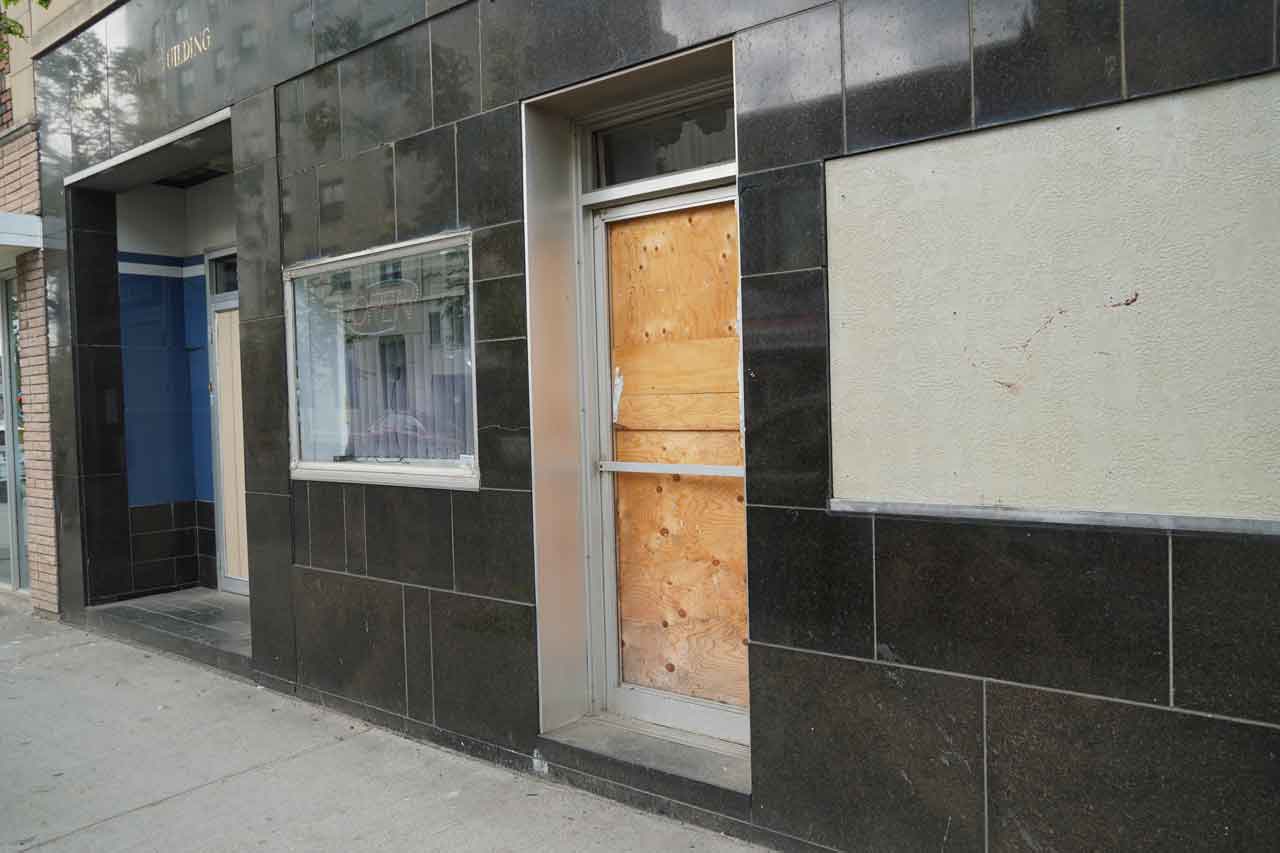
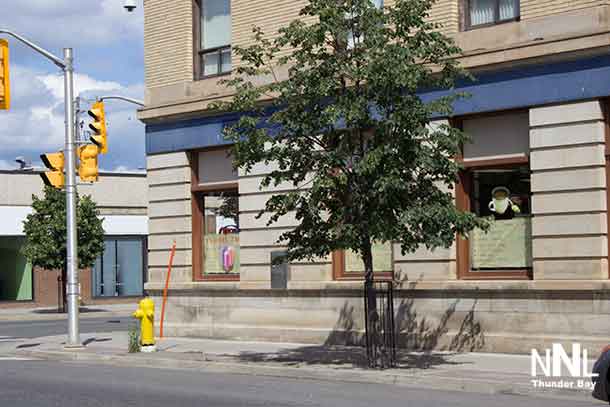


We should be honouring the local entrepreneurs and business owners who are striving so hard to survive, instead it often seems that the City of Thunder Bay at 500 Donald Street East are living inside a bubble. They don’t seem to see the efforts and the pain.
These are business owners who have, often under the most trying of conditions, continued to fight to stay open, pay their taxes to the city, and continue to stay optimistic.
Shiny and New! But Left to Deteriorate?
In Thunder Bay a pattern has developed. City Administration and Council have become experts at finding funding from senior levels of government to invest in big legacy projects.
“Typical city council. Numerous councils have dragged their heals for decades while losing funding, costs of projects skyrocketing, developers and investors walking away and going to another city. Thunder Bay should put a sign at the city limits saying “Closed for Business NIMBY”. – Facebook Comment.
That on the surface might sound very positive, but the reality is without the funding for keeping those projects going, it is only leaving us with a growing infrastructure deficit.
Take a walk around Prince Arthur’s Landing. The walkways are falling apart. The parking lot, that Council and Administration wanted to charge big dollars for parking are in terrible shape. All the signs of systemic failure are obvious when you look.
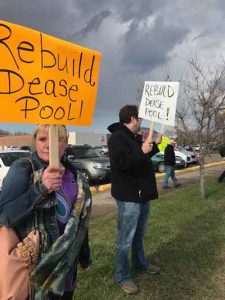
The City left Dease Pool to basically deteriorate to a level that they decided to demolish it rather that upgrade the neighbourhood legacy.
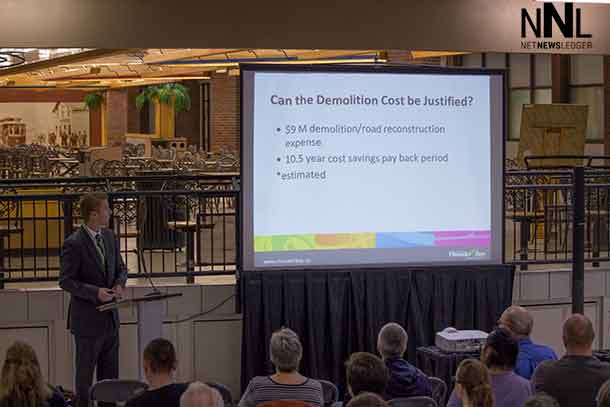
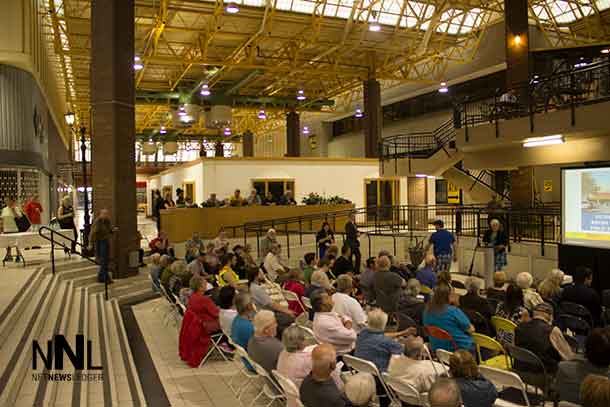
Victoriaville is finally starting to come down, it has been talked about since 2007 when NetNewsLedger started. In 2025 work has finally started. Systemic failures.
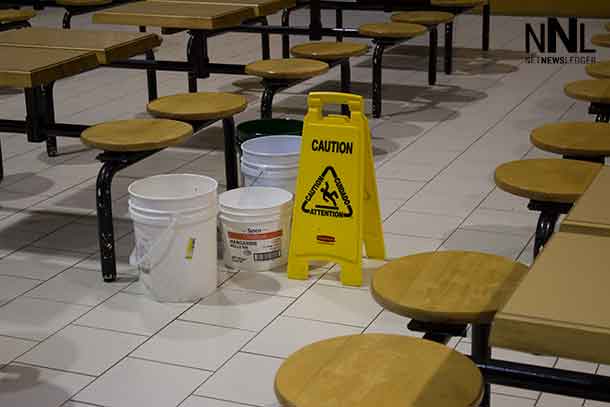
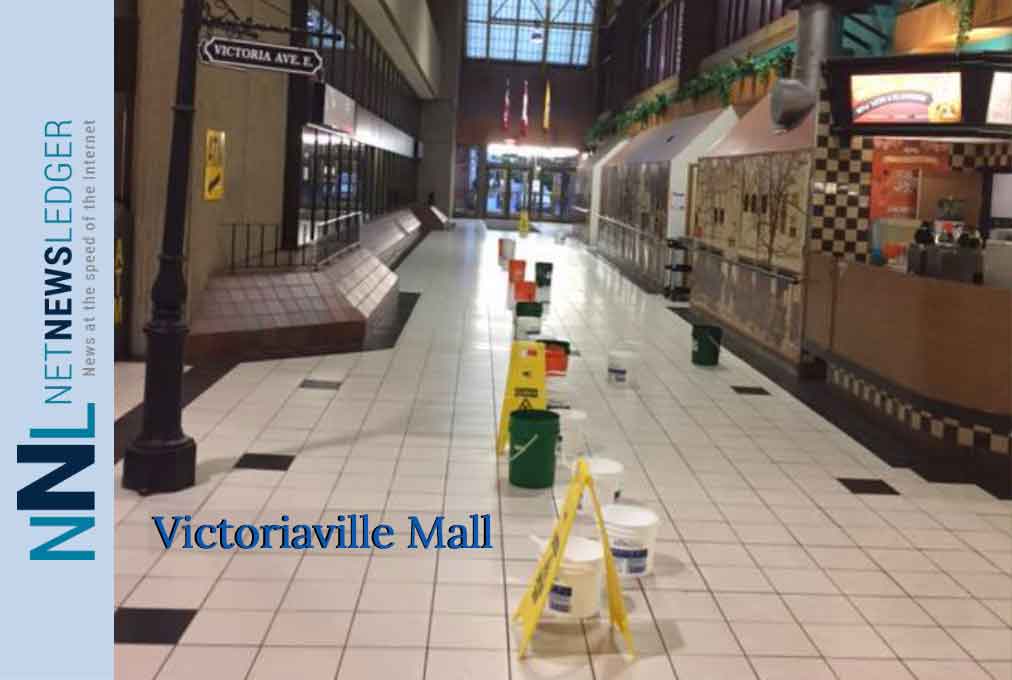
At a meeting in 2016 about the future of Victoriaville, there was a sudden downpour of rain. The staff rushed to put out pails to catch the water that streamed down from the leaking roof.
They all knew where to put the buckets.
It was an all too frequent happening in the aging mall. Victoriaville management was very unhappy when media started capturing the staff and the rain buckets.
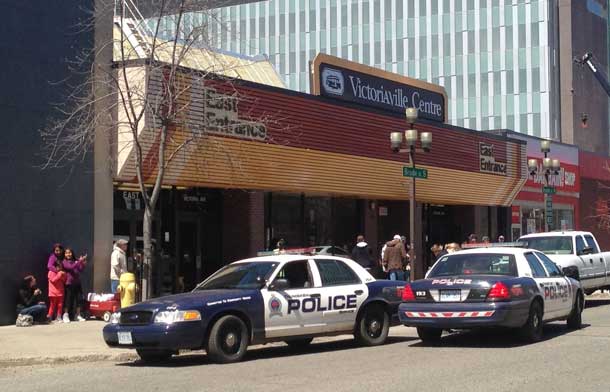
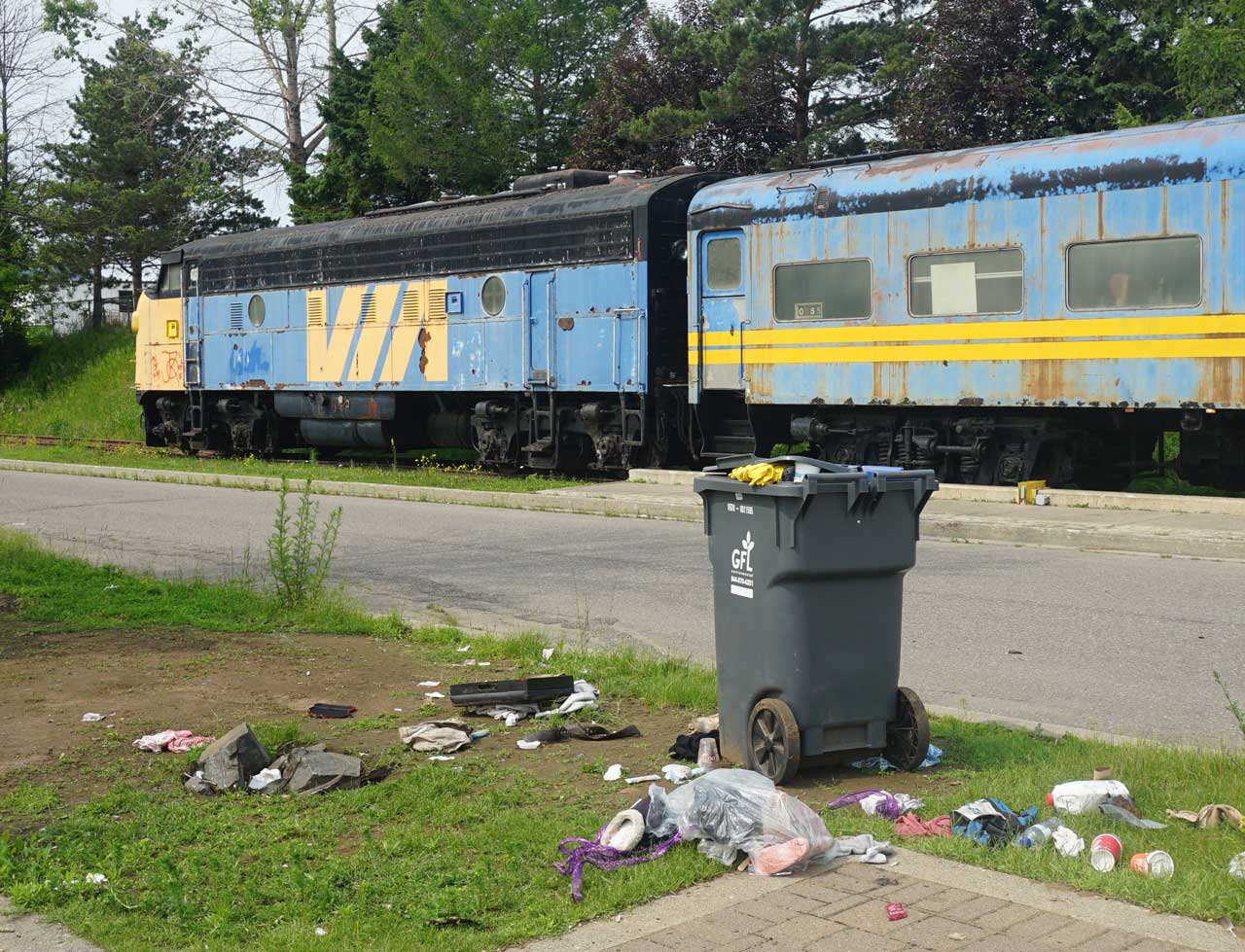
“No offence to those who may be offended but I been picking up way to much drug paraphernalia behind the shop & I been removing way to many people who think its ok to do their drugs back there. Not good for business at all! Thats why the doors are always locked….for the safety of the shop & their clients.” – Kay B.
The COVID-19 pandemic hit small business like a Mack Truck. It has been followed by the problems of crime and addiction. Decades of ignoring the “Gathering Storm” of addiction at all levels of government in Canada has seen the crisis evolve into today’s situation.
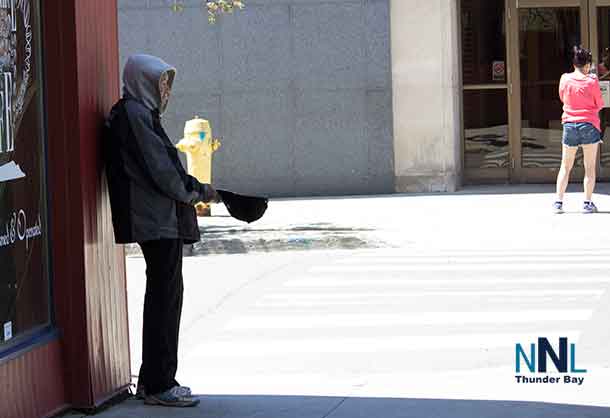
Ask seniors and newcomers how safe they feel walking at night and you’ll hear uneasy answers, often punctuated by stories of aggressive panhandling or vandalized vehicles.
A growing wave of residents are saying they are fed up with how Thunder Bay is being run.
Residents cite crumbling roads, aging infrastructure, persistent racism, and an out-of-control property-crime problem.
Meanwhile, city hall’s most high-profile initiatives seem focused on an indoor turf complex, a brand-new art gallery, and a multi-million-dollar “Rights Plus” homeless services compound critics dismiss as a “fenced-in shed city.”
As frustration mounts, many citizens insist Thunder Bay City Council must realign its priorities with the city’s most pressing, ground-level needs.
1. Crumbling Roads and Hidden Costs
Thunder Bay’s harsh freeze-thaw cycles are legendary, but residents argue chronic underfunding of repairs has turned entire corridors into obstacle courses.
Potholes wreak havoc on vehicle tires, suspensions and threaten cyclist safety.
Public Works routinely faces a backlog that grows faster than budgets allow, and taxpayers absorb the hidden cost—higher vehicle repair bills and reduced attractiveness for business investment.
“I pay almost $4,000 a year in property taxes and still dodge axle-breaking craters on my commute,” says Northwood resident Marie K. “Where is that money going?”
2. Crime: From Petty Theft to Public Safety Crisis
Statistics Canada’s most recent police-reported crime severity index places Thunder Bay among the highest for urban centres in Ontario. Beyond raw numbers, the lived experience resonates louder: retailers forced to lock everyday items behind counters; catalytic-converter thefts in neighbourhood driveways; and a perception—fair or not—that calling police for minor incidents is pointless.
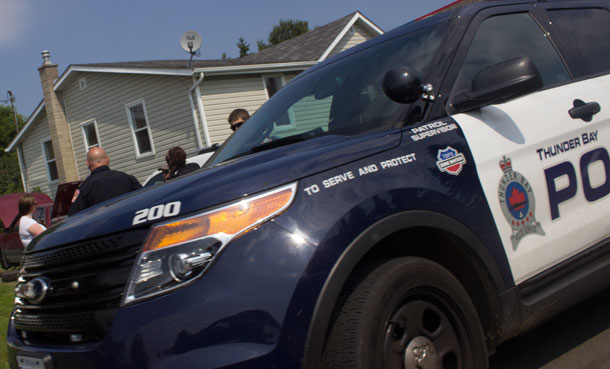
Local officers say staffing levels remain tight while calls for service increase, driven by addiction, mental-health crises, and poverty.
Yet council’s capital wish list seems more attuned to landmark legacy projects than bolstering core policing resources or expanding proven community mental-health interventions.
3. Racism and Social Division
The city’s struggle with systemic racism—particularly directed toward Indigenous people—has received national attention.
High-profile inquests and human-rights reports have recommended sweeping reforms.
While municipal leaders have voiced commitments to reconciliation, critics argue tangible progress is slow and often overshadowed by cultural vanity projects instead of actionable anti-racism programming in schools, workplaces, and frontline services.
4. Big-Ticket Projects vs. Everyday Needs
Indoor Turf & New Art Gallery
Proponents laud these as economic catalysts and quality-of-life amenities; opponents call them expensive distractions when basic infrastructure is failing.
The turf facility’s price tag exceeds $40 million, while relocating the Thunder Bay Art Gallery to the waterfront could climb past $48 million once all site servicing and contingencies are included.
While both facilities will be great, and are fantastic luxuries, for many it speaks to a Council and Administration who are not in touch with the pulse of the city’s real issues.
A “Rights Plus” Homeless Compound
Council approved over $7 million for a fenced, cabin-style encampment—billed as a “transitional community.”
“When are the city councillors going to wake up there are buildings in the city empty all over the place but now you want to spend thousands of dollars on these delinquents that think it’s okay to get high everyday on our dollar taxpayers dollar the hell with that tell him to get clean make them get clean even if they got to do jail time to do it you have empty buildings all over town what the f*** is this city counsellors doing bunch of jackasses”. – Facebook Comment.
Critics worry it spends heavily on containment rather than upstream housing support, addiction treatment, and job programs.
“If we don’t fix roads, policing gaps, or watermain breaks first, these prestige projects become monuments to misplaced priorities,” says retired engineer Paul J.
5. A Call for Genuine Public Engagement
Residents speaking at open-mic nights, community forums, and social-media groups repeat a common refrain: city hall isn’t listening. They want council to:
-
Publish a clear infrastructure deficit plan with timelines and funding streams.
-
Re-evaluate capital spending to prioritize essential services before new builds.
-
Increase transparency on policing metrics, response times, and community-safety strategies.
-
Invest in reconciliation through Indigenous-led training, hiring, and program funding.
-
Hold quarterly town halls where councillors field unscripted questions from the public.
The Road Ahead
Thunder Bay stands at a turning point. Residents don’t oppose culture or recreation projects outright—they simply want safe streets, reliable services, and an equitable community first.
No one feels that not having a social safety net for our most vulnerable is needed. However people are opposed to their tax dollars going to projects that really won’t do anything to solve the problems our city faces.
Many Councillors are simply pointing at the provincial and federal governments and placing the blame on them, and ignoring any responsibility for the decisions that they have made.
If council hopes to regain public trust, it must move beyond ribbon-cutting headlines and confront the unglamorous but critical work of fixing roads, reducing crime, and healing divides.
So? Are There Any Solutions?
The message from many voters is clear: listen to the lived realities of everyday Thunder Bay citizens—or face a reckoning at the ballot box.
The reality that some members of City Council, and a growing number within City Administration seem to be adopting the concept that residents in Thunder Bay are simply “CAVERS” – Citizens Against Virtually Everything”.
The truth is people in our city care! Living in Thunder Bay means living in a city that has incredible potential, often never realized because all too often leadership takes the easier paths. There are better ways forward, but that all depends on each citizen of our city.
If you are not pleased with the status quo, the “business as usual” approach then you have to start speaking up.
Start making sure that your voices are heard loud and clear by City Council.
Call your City Council members
While Council has debated the format of our City Council, perhaps the real solution is to make this a full time job, with a salary to make it worthwhile. Right now the pay rate for Council is under $40,000 – not enough to live on.
Councillors are basically part-time, and most have full time jobs that dominate most of their time. This means dealing with the Monday night meetings, and having the time to really engage and have the facts needed is key.
One Councillor speaking on conditions of anonymity, expressed how Councillors never talk with each other outside of meetings! If that is true, it explains a lot.
What is probably needed, and it might need to start at the provincial level is for Premier Doug Ford and his government to explore updates to the Municipal Act and find new and better ways for Cities in Ontario to run.
Do you have firsthand experiences with infrastructure failures or public-safety concerns in Thunder Bay? Share your story with NetNewsLedger at newsroom@netnewsledger.com.