Ontario’s new e-bike rules take effect May 1, 2027, with two classes and restrictions on motorcycle-style electric vehicles
THUNDER BAY — E-bike riders across Northwestern Ontario will face new provincial rules next spring that distinguish bicycle-style electric bikes from vehicles that look or operate like motorcycles and scooters.
Beginning May 1, 2027, an electric vehicle must meet Ontario’s e-bike requirements to be operated as an e-bike. A vehicle marketed or labelled as one will not qualify if it fails to meet the rules, the province said in its Nov. 26 announcement.
Compliant e-bikes will continue to be permitted on Ontario roads without a driver’s licence, vehicle registration or insurance.
Riders must still be at least 16, wear an approved helmet and follow the rules of the road that apply to cyclists.
The province says violations can result in fines of up to $2,500 and vehicle impoundment, where applicable.
Two classes of e-bikes
Ontario will establish two classes. Both must have an exposed bicycle-style frame, a motor with a maximum power output of 500 watts and a maximum motor-assisted speed of 32 km/h.
Class A e-bikes will be limited to 55 kilograms and must use pedal assistance: the motor helps only while the rider is pedalling. A walk-assist function providing assistance up to 6 km/h is permitted.
Class B includes heavier pedal-assist e-bikes weighing more than 55 kilograms and e-bikes equipped with a throttle, which can provide motor assistance whether or not the rider is pedalling. The Class B weight limit is 120 kilograms.
Bicycle-style, tricycle-style and recumbent e-bikes can qualify, provided they meet the requirements.
Equipment and passengers
The province says e-bikes must have pedals or hand cranks capable of meaningfully propelling them, two or three wheels at least 350 millimetres in diameter, and a bicycle-style riding position. Their batteries and motors must be securely fastened, and electrical terminals must be insulated and covered.
Required equipment also includes a dual braking system, a bell or horn, a front white or amber light, a rear red light or reflector, and reflective material on the front and rear wheel assemblies.
Riders must not modify an e-bike to exceed the power, assisted-speed or weight limits, or remove or disable its operable pedals. Batteries must be installed and maintained according to the manufacturer’s specifications, and the bike and its required equipment must be kept in good working order.
Passengers are allowed when an e-bike has an appropriate passenger seat. Children six and under must use a child passenger seat designed for them, and all passengers must wear an approved helmet.
When an electric vehicle is not an e-bike
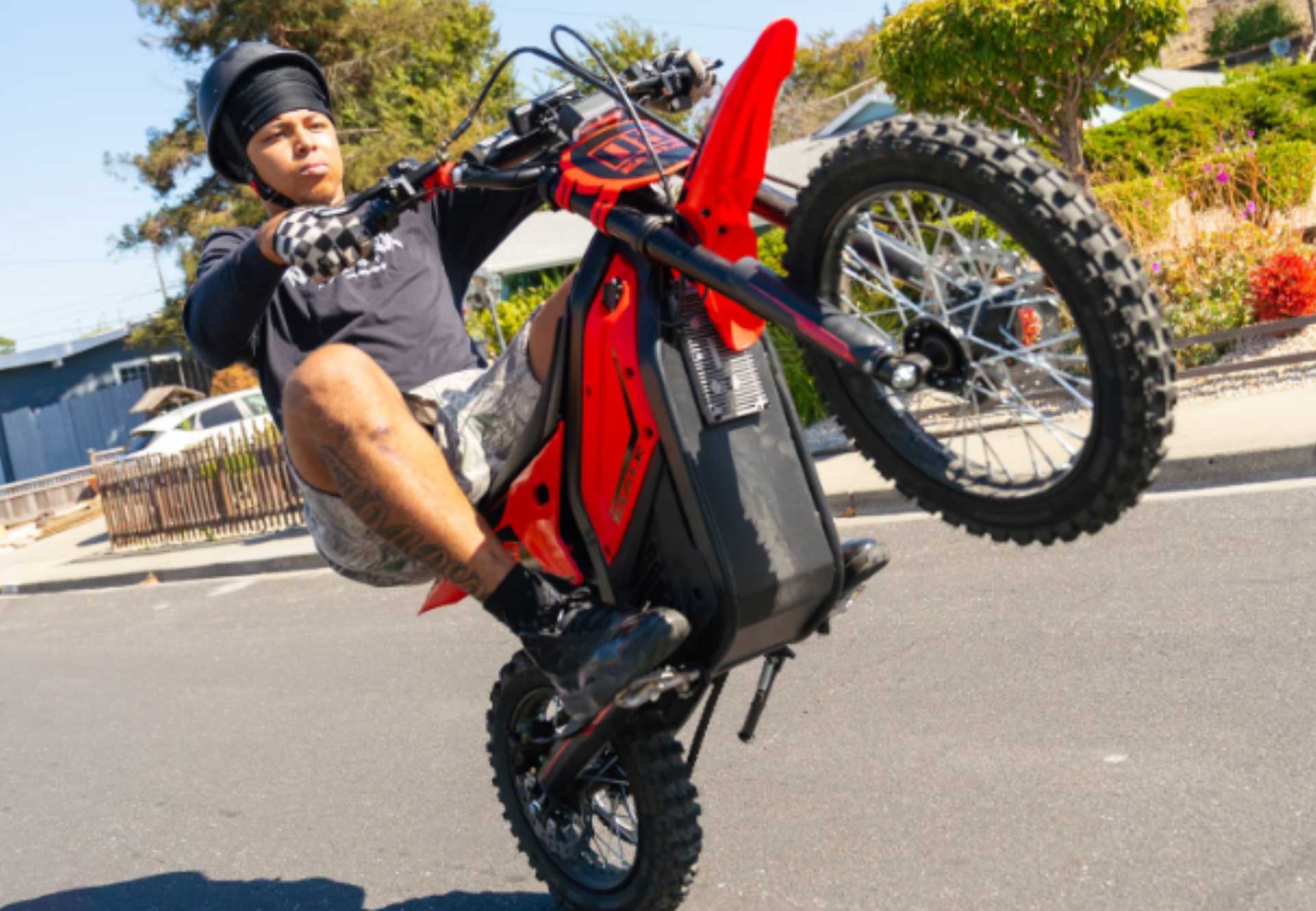
Motorcycle-style and motor scooter-style electric vehicles will not qualify as e-bikes under the new rules and cannot be operated where bicycles are permitted.
To be operated on a road, those vehicles must meet the requirements for their applicable motor vehicle class. That includes a federal compliance label and the relevant licensing, registration and insurance requirements. Electric dirt bikes and vehicles without operable pedals or hand cranks also do not qualify as e-bikes.
Owners who are unsure whether their vehicle qualifies can check its frame, pedals, motor output, assisted speed and weight against the province’s requirements before the changes take effect.