NAN’s grand chief warns that unreliable aviation weather services threaten medical travel and essential supplies to remote First Nations
THUNDER BAY — Nishnawbe Aski Nation Grand Chief Alvin Fiddler is demanding stronger safeguards for northern air travel after an outage at Big Trout Lake’s weather station raised concerns about medical evacuations, passenger flights and essential supplies to surrounding First Nations.
In a November 4 letter to federal Transport Minister Steven MacKinnon, Fiddler called for immediate repairs, an emergency alternative if service could not be restored within 24 hours, and a meeting with the minister and NAV CANADA.
The immediate situation has since reportedly changed. NAV CANADA restored the system on November 5 and cancelled the outage notice.
The report attributes the interruption to planned maintenance involving the foundations supporting weather sensors, with poor weather preventing technicians from landing the previous day.
That reported restoration leaves questions about maintenance planning, backup weather services and how communities are informed when critical equipment becomes unavailable.

Fiddler’s letter identifies aviation notice J7396/26, issued October 22, as confirming that the automated weather observation system, or AWOS, at Big Trout Lake was out of service. The notice, as described in the letter, extended to November 13. That was its stated validity period, not proof the outage would last until that date.
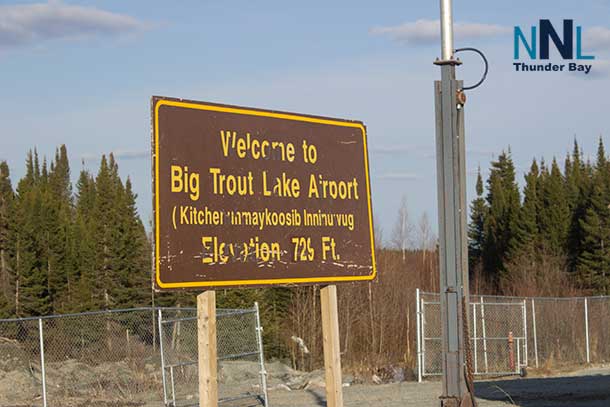
Fiddler said Big Trout Lake also provides an altimeter-setting source used by nearby airports. His letter identified four communities affected by the interruption: Kitchenuhmaykoosib Inninuwug, also known as Big Trout Lake; Wapekeka, served by Angling Lake Airport; Kasabonika Lake; and Wunnumin Lake.
The letter also said NAN had been advised that Ornge medical evacuation service was unavailable at Bearskin Lake and Kingfisher Lake. Those were NAN’s concerns at the time of writing, rather than a verified record of every flight that could or could not operate.
Ornge clarified that flights remained possible under visual flight rules when conditions allowed. Marginal weather, however, could delay patient transport when crews could not confirm safe conditions.
For communities without an all-season road connection, delays can affect access to hospital care, food and other essential goods. Fiddler described the consequences in blunt terms: “This is not a service interruption. It is a blockade.”
An altimeter uses air pressure to indicate altitude. Canadian Aviation Regulation 602.127(2) prohibits a pilot flying under instrument flight rules from beginning an instrument approach unless the aircraft’s altimeter is set to a pressure setting usable at the destination airport.
METAR reports are standardized aviation weather observations that include altimeter information. Losing that information can restrict the instrument approaches needed in poor visibility. However, a missing METAR does not automatically mean every flight is prohibited. Canadian standards allow other approved arrangements to supply altimeter settings. Whether an alternative can be used depends on the approved service and applicable flight procedure.
Responsibility is divided among several organizations. NAN’s 2025 aviation needs assessment identifies NAV CANADA as the owner and operator of existing automated weather systems, with Ontario’s Ministry of Transportation responsible for supporting site preparation. Ontario operates the remote airports through its Remote Airports Office.
NAV CANADA is a private, not-for-profit air navigation organization. Transport Canada is the federal regulator. Those separate roles matter when assigning responsibility for equipment maintenance, airport infrastructure and safety oversight.
The dispute also reaches beyond one weather station. NAN and Chiefs of Ontario released the documentary Holding Pattern on October 28, calling for an immediate safety audit of the 27 provincially operated remote airports serving First Nations, a phased improvement plan and sustained funding.
NAN’s high-level assessment estimates that improvements across Ontario’s 29 remote airports would cost between $1.2 billion and $1.5 billion. The needs extend to runways, lighting, navigation and weather equipment, buildings and staffing.
Ontario Transportation Minister Prabmeet Sarkaria told the legislature on October 29 that the province invests about $27 million annually in the 29 remote airports. He pointed to terminal designs and facility upgrades and said Ontario would continue working with communities and federal partners.
The figures measure different things: one is an estimate of infrastructure needs, while the other is annual provincial spending. They cannot be treated as directly comparable budgets. A public project list showing priorities, committed funding, responsible agencies and completion dates would make progress easier to assess.
The records reviewed for this article do not establish how many flights or medical transfers were cancelled, delayed or diverted because of the outage. That accounting, along with an explanation of what backup arrangements were available, is central to assessing the consequences and preventing a repeat.
NetNewsLedger has reached out to NAV Canada and the federal ministers for comment, none was received by our publishing deadline.