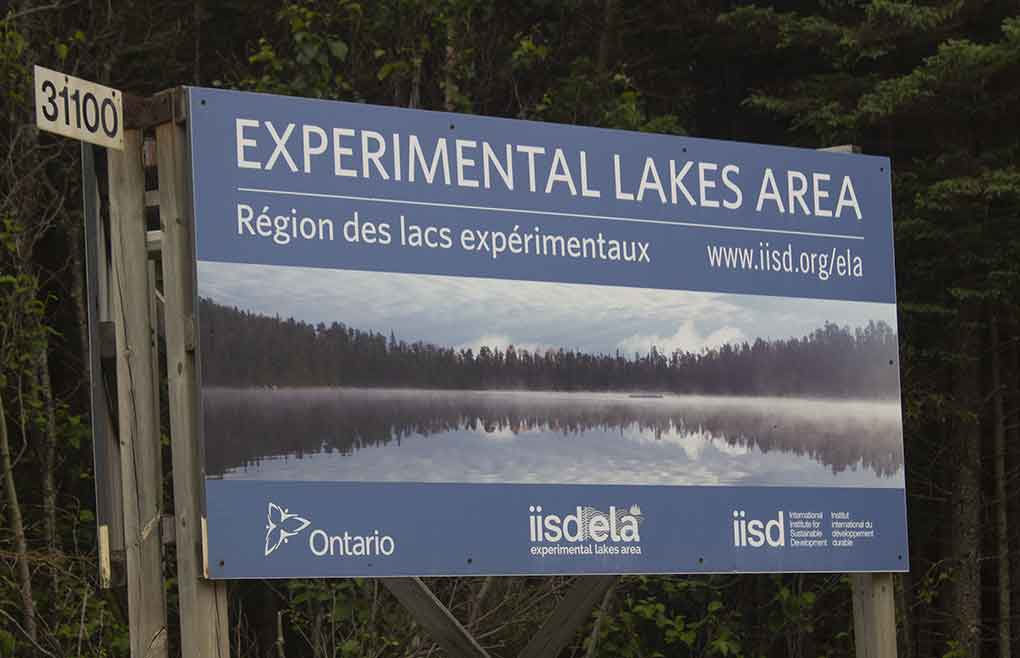
A solar-battery microgrid now supplies up to 80% of power at IISD Experimental Lakes Area, cutting diesel use at the remote site
KENORA – Regional News — A solar-and-battery microgrid at the IISD Experimental Lakes Area is now supplying as much as 80 per cent of the electricity used at the off-grid research station between Kenora and Dryden, reducing the site’s dependence on diesel generation.
The system combines 540 bifacial solar panels with battery storage. IISD says the array can produce up to 297 kilowatts, enough to meet the facility’s peak demand, while surplus electricity is stored for use at night and during cloudy periods.
The Canadian Renewable Energy Association named the installation its 2026 Canadian On-Site Project of the Year. CanREA estimates the project will displace about 80,000 litres of diesel and more than 200 tonnes of carbon emissions each year.
The microgrid was developed by IISD Experimental Lakes Area with Charge Solar and KPE Electrical Contractors. Environment and Climate Change Canada supported the transition, according to IISD.
The research station operates laboratories, accommodations and support buildings in a remote location without a connection to the provincial electricity grid. Diesel had provided dependable power but required fuel deliveries and exposed the facility to fuel costs and combustion emissions.
The solar panels were installed along the camp’s fire line rather than on roofs, giving staff easier access for winter snow removal. Batteries carry the site when solar production drops, while diesel generation remains available as backup.
The award is recognition from an industry association, not an independent audit of the project’s annual performance. The estimates for diesel and emissions avoided will need to be tested against a full year of operating data, including winter production.