
Menopause can change more than just your physical health. It can affect your sleep, mood, confidence, and even the way you approach everyday activities. Some mornings feel completely normal, while others come with unexpected fatigue, brain fog, or hot flashes that make it difficult to get through the day comfortably. Having access to support from Felix can also make it easier to understand these changes and figure out what kind of care might help.
I think one of the most important things to remember is that you do not have to navigate all these changes by simply accepting discomfort. Menopause is a natural stage of life, but there are ways to make the transition easier and feel more in control of your well-being.
- Listen to Your Body Instead of Ignoring the Changes
It can be tempting to brush off constant tiredness, mood swings, or difficulty sleeping as part of getting older. However, these changes may be related to menopause. Start paying attention to what you experience and when it happens. Keeping a simple record of symptoms can help you recognise patterns and explain your concerns more clearly when speaking with a healthcare professional.
- Find a Routine That Works With Your Energy Levels
Your usual routine might not feel quite right anymore, and that is okay. Instead of pushing yourself to maintain the same pace every day, try adjusting your activities according to how you feel. Walking, gentle stretching, swimming, or other enjoyable forms of movement can help support your overall well-being. The goal is not to follow a demanding fitness plan but to find something you can comfortably maintain.
- Make Better Sleep a Priority
Sleep problems are among the challenges many women experience during menopause. Night sweats and changes in sleep patterns can leave you feeling exhausted the following morning. Small adjustments may help, such as keeping your bedroom cool, choosing breathable nightwear, limiting caffeine later in the day, and establishing a relaxing bedtime routine. If sleep difficulties continue, it may be worth discussing them with a healthcare professional.
- Don’t Be Afraid to Explore Professional Support
Sometimes, lifestyle changes alone are not enough to manage uncomfortable symptoms. This is where professional guidance becomes important. Felix offers online menopause care, connecting women with licensed healthcare practitioners who can assess their symptoms and discuss suitable treatment options.
Depending on individual circumstances and medical history, treatment may include hormonal or non-hormonal approaches. The online process also makes it possible to discuss concerns and receive guidance without having to organise every step around an in-person appointment. Having access to follow-up support can also be helpful as symptoms and treatment needs change over time.
- Give Yourself Permission to Put Your Well-Being First
Perhaps the biggest adjustment is learning not to be so hard on yourself. You might need more rest, different exercise habits, or a little more time to complete everyday tasks. Instead of viewing these changes negatively, think of them as opportunities to understand what your body needs now. Make time for activities you enjoy, stay connected with people who support you, and remember that looking after yourself is not selfish.
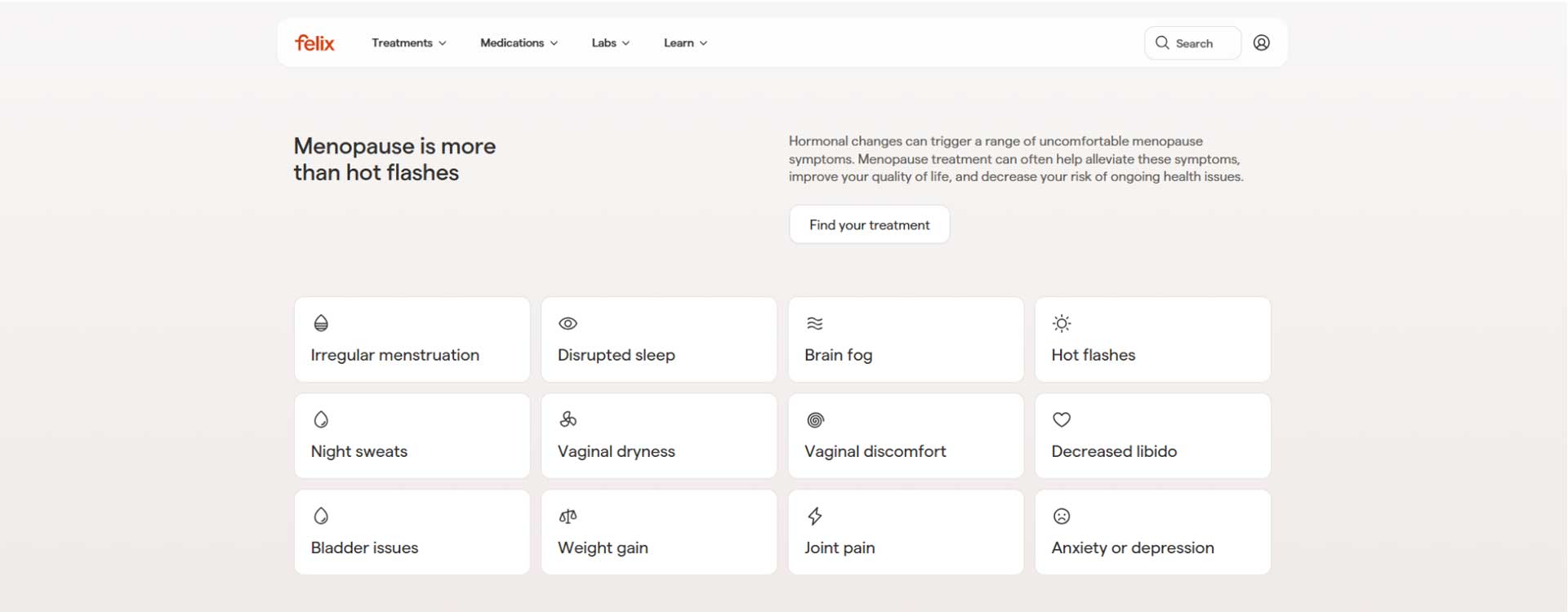
Menopause does not mean you have to stop feeling confident or comfortable in your own skin. It simply means learning to approach your health and daily routine a little differently. With practical adjustments, a better understanding of your symptoms, and the right support from services such as Felix, you can make this stage of life feel much more manageable.