On September 14, 2026, Apple rolled out iOS 27 and iOS 26.7 for those still using the previous operating system. Typically, the update should go through successfully; however, sometimes things don’t work out the same way.
Your iPhone could be displaying the Apple logo only, freezing during installation, restarting repeatedly, or showing an update error. Such situations are common and may stem from various causes, e.g., you interrupted the download, didn’t have enough storage on the phone, or a problem with the software itself.
This guide will explain ways to simply restore your iPhone once you have encountered a failed iOS update and when you probably need to use the iOS system repair software.
What Can Cause an iOS Update to Fail?
iOS updates may fail for several reasons. To find the right solution, understand the causes first.
- Sudden power drain or a power cut might result in a halted installation.
- If the update file is damaged or incomplete, it can cause installation errors.
- Incompatible device: Some older iPhone models may not be able to work with the latest iOS.
- Possible Apple Server issues: Busy servers or connection problems might stop the downloading of the update.
- Restarted installation: Your iPhone being turned off or disconnected during an update might sometimes result in the system failing to start properly.
First, Check Whether the Update Is Actually Finished
First of all, make sure that iOS has indeed failed to update. A slow progress bar is not always a bad sign, especially when it comes to a major upgrade. A lack of movement for a period of time doesn’t always imply there’s something malfunctioning.
- Make sure that your iPhone is plugged in and charging.
- Give the installation time to finish, particularly if the progress bar is still moving.
- Do not force-restart the device many times throughout the update, because stopping the update could lead to further issues.
If the screen is stuck for an unusually long period of time, or your iPhone keeps restarting, then head over to the troubleshooting steps given below.
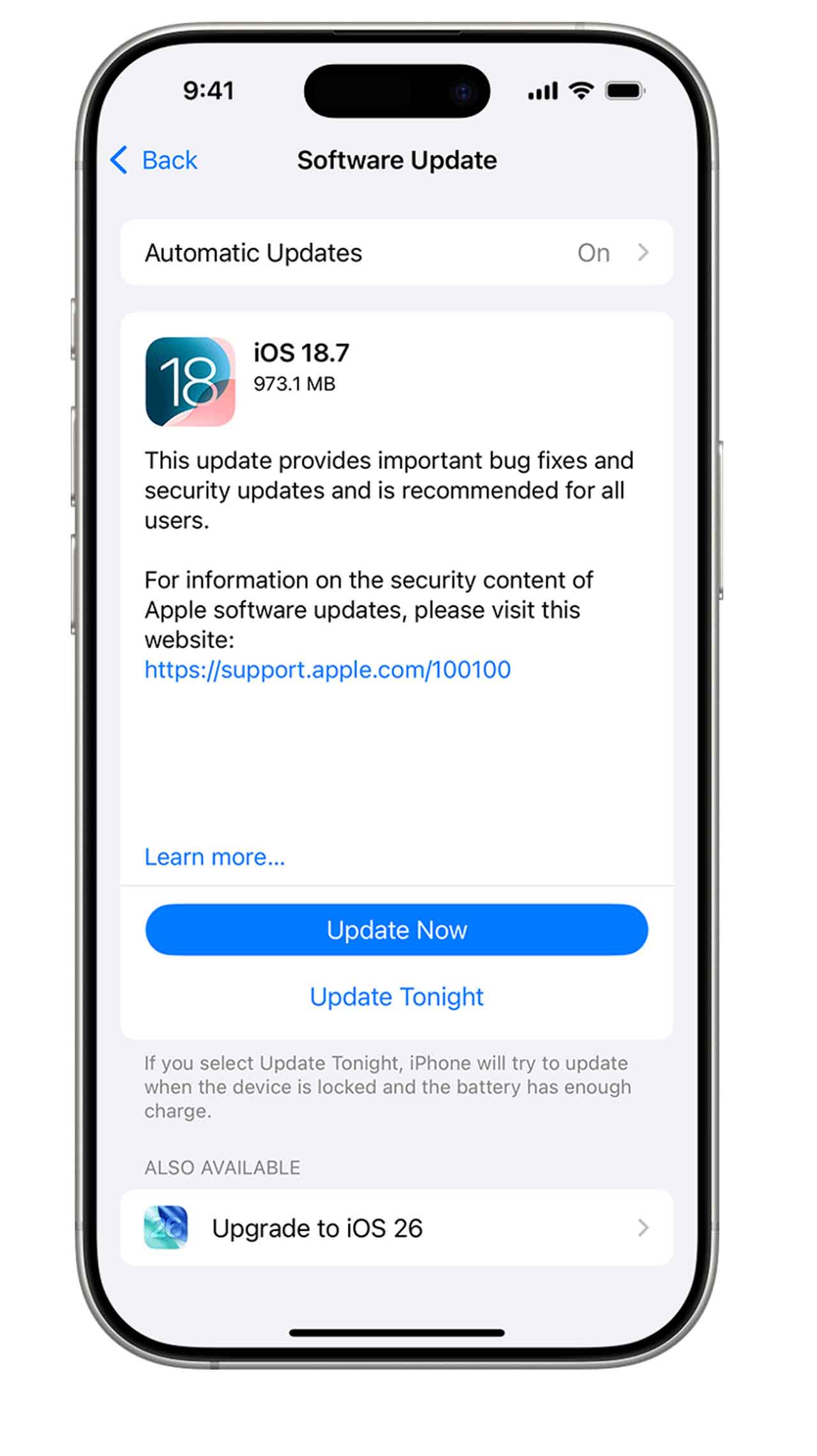
Check what updates status you are on: Open Settings → General → Software Update to confirm that the update is still available to you or you must install it again.
Check Your iPhone’s Storage and Update Status
Before trying more advanced fixes, check your iPhone’s storage and update status. Low storage or a damaged update file may stop the installation.
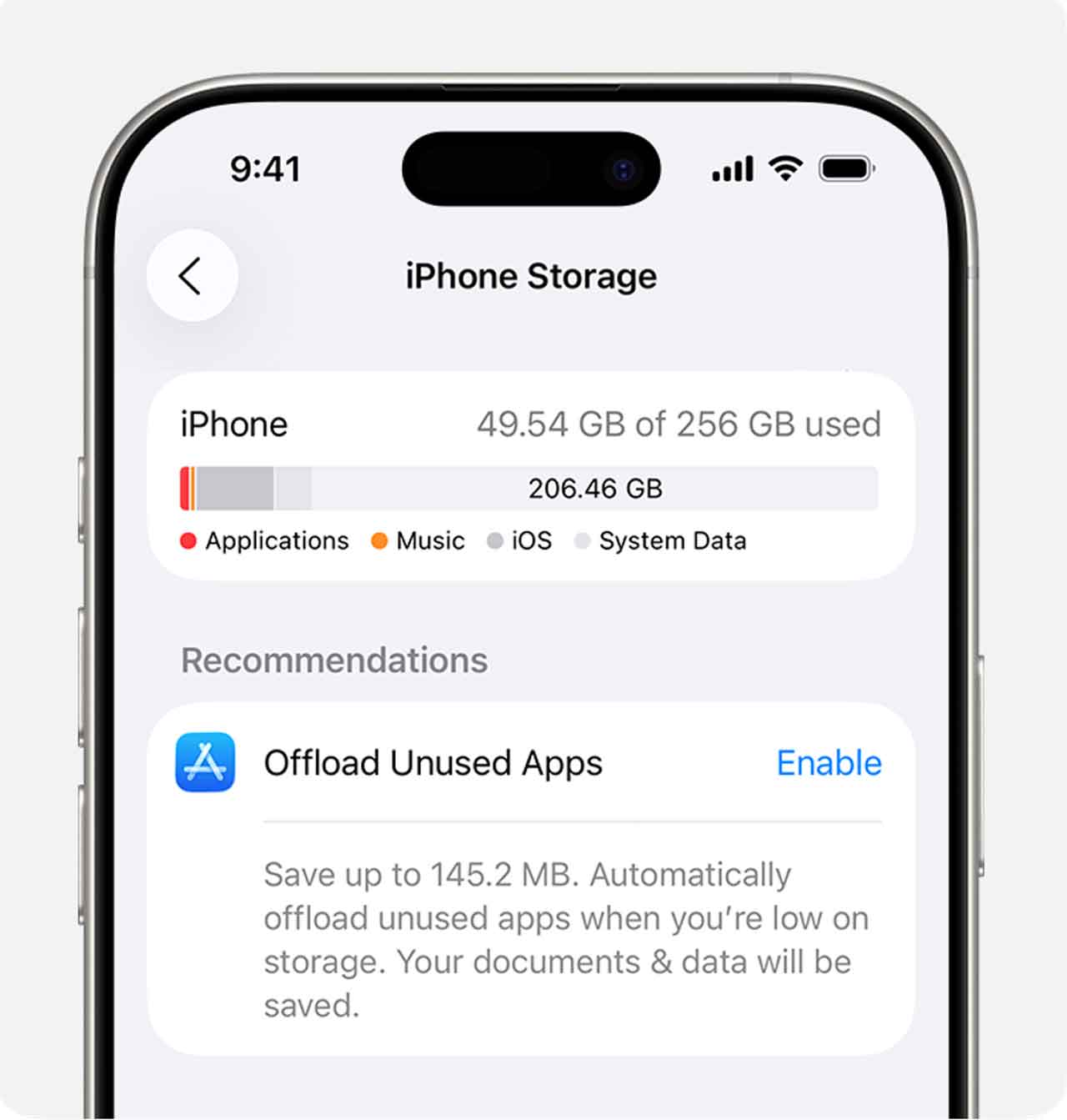
Check how much storage you have left: Go to Settings → General → iPhone Storage. If storage is running low, delete unused apps or big files to make room.
Check what updates status you are on: Open Settings → General → Software Update to confirm that the update is still available to you or you must install it again.
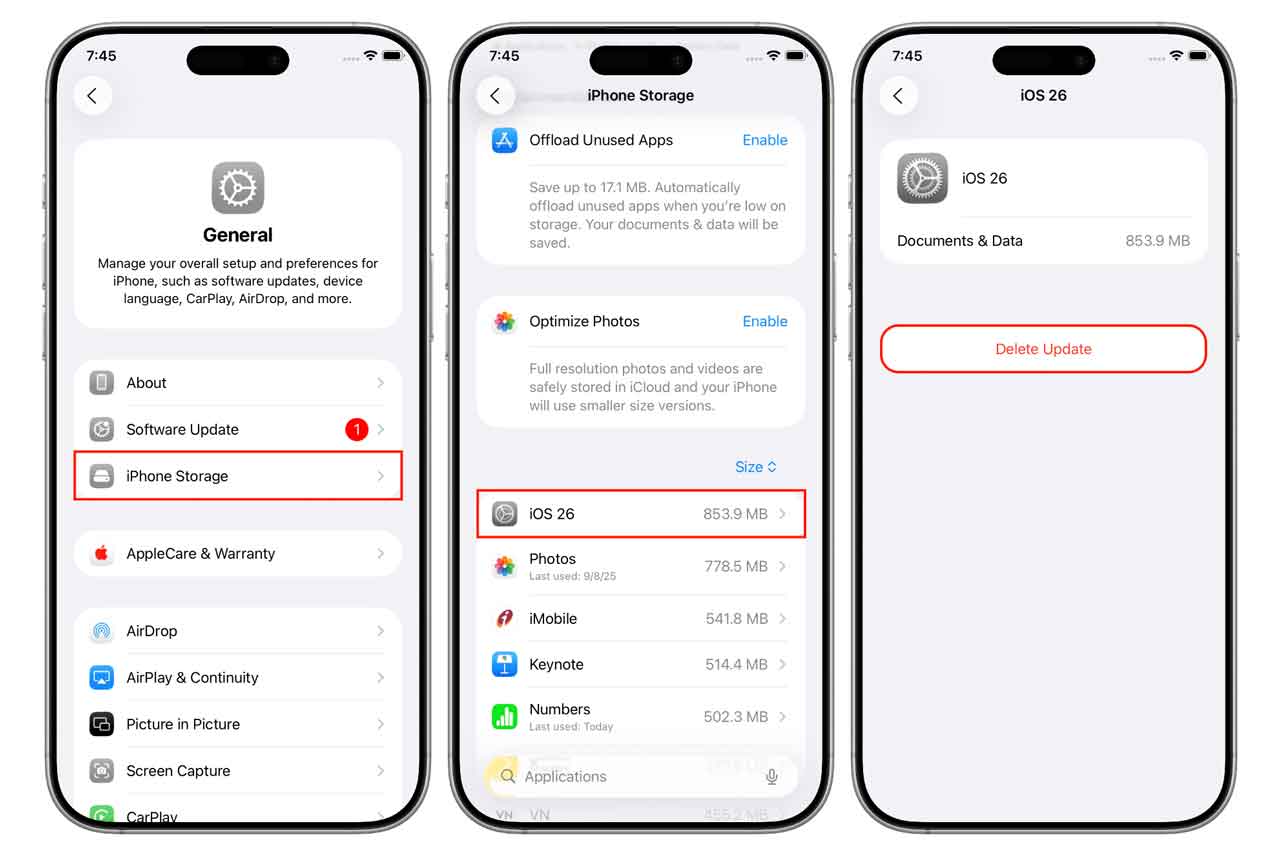
Delete the downloaded update: When you have the update, but it didn’t get you to installation, in Settings → General → iPhone Storage scroll down and spot iOS update then tap Delete Update.
Get the update again: Get back to Settings → General → Software Update, where you can download the update one more time, making sure that the Wi-Fi connection is stable.
Force Restart the iPhone
If your iPhone is stuck or the screen gets frozen after you have updated the device and an error has occurred, forcing your phone to restart may work. It does not erase all the data or your photos but may not fix all the update errors.
Press and release the Volume Up button, then the Volume Down button. Next, firmly press and hold the Side button until the Apple logo pops up.
Update iOS Using a Mac or PC
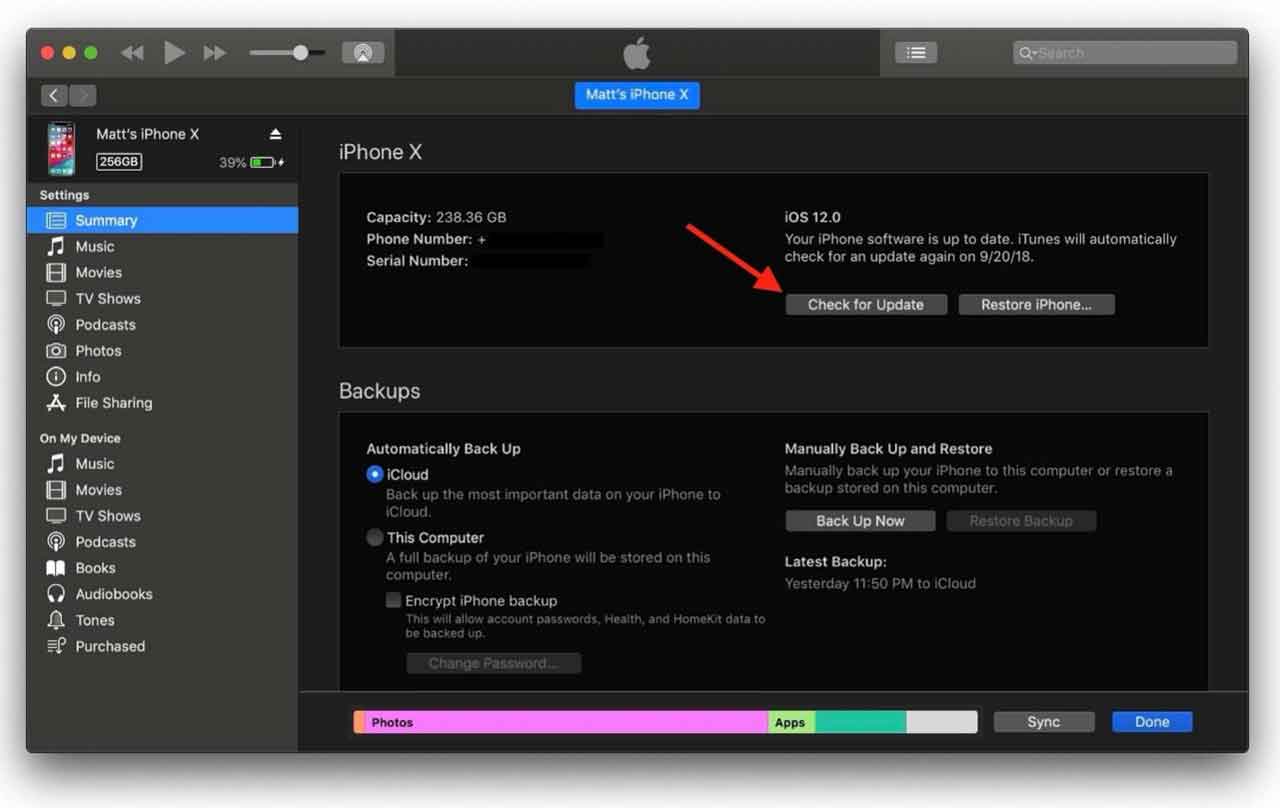
If the OTA update keeps failing, you can also try installing the update by using your computer. It downloads update files separately and might come in handy if your iPhone can’t download or install the updates on its own.
- Connect your iPhone to your Mac or Windows PC.
- On a Mac running macOS Catalina or later, open Finder. On Windows, launch the Apple Devices
- Select your iPhone, then click Check for Update. If available, click Update and follow the onscreen instructions.
Try iOS System Repair Software
After a failed iOS update, if your iPhone still won’t start or keeps showing errors, you could try dedicated repair software to fix software issues that keep coming up. Dr.Fone – System Repair (iOS) supports iPhone 18 series and the latest iOS 27 and 26. It can fix 150+ errors such as hanging logo, boot loops, frozen screens, issues in recovery mode, and errors during update. It will also allow you to solve more than 200 typical problems related to iTunes, 4013 and 1110 errors .
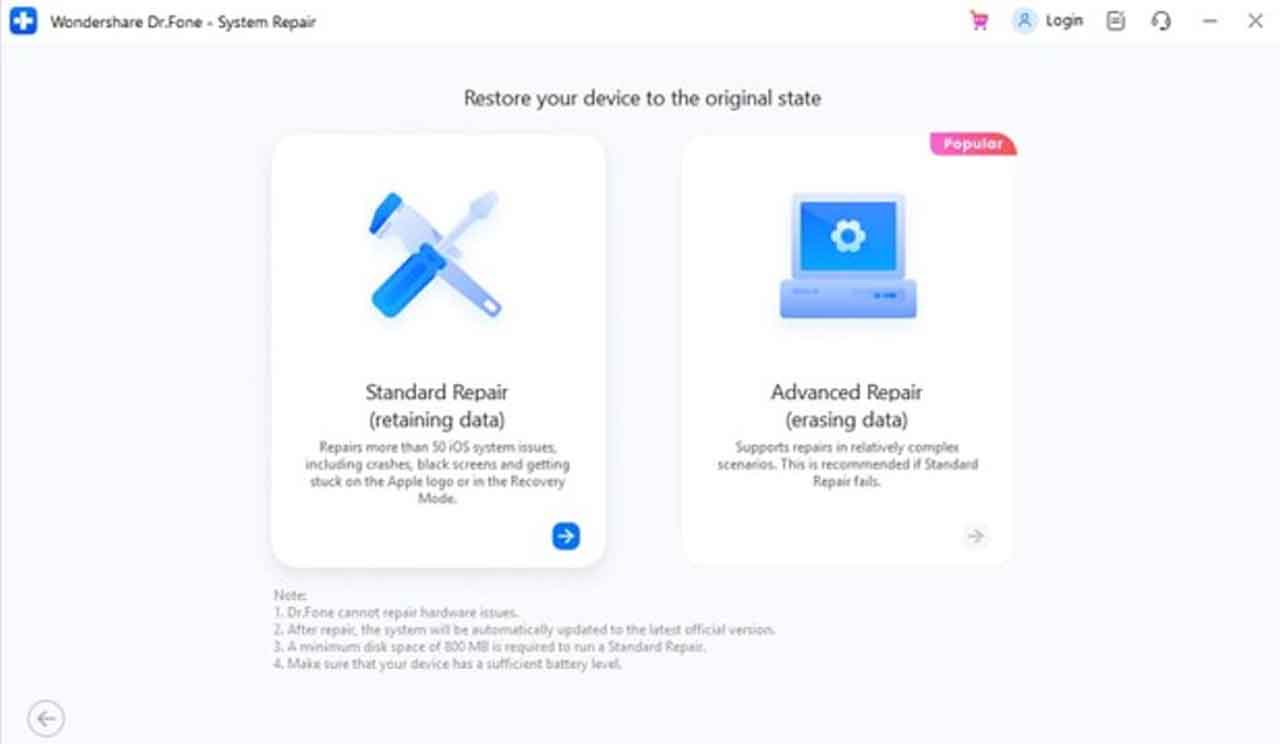
Dr.Fone also provides Standard Repair, which repairs supported issues without losing any of your data, as well as Advanced Repair, which is used when more serious issues are present and may result in data loss.
Key features include:
- Fix 150+ iOS issues: Addresses problems such as boot loops, black or white screens, frozen devices, Apple logo errors, and failed updates.
- Repair update and restore errors: Helps troubleshoot more than 200 iTunes errors, including errors 4013 and 1110.
- Recovery and DFU mode tools: Enter Recovery Mode with one click for free, or use guided tools to help exit Recovery Mode and DFU Mode.
- iOS upgrade and downgrade: Install supported iOS versions or downgrade to a previous version when compatible firmware is available, without iTunes or jailbreaking.
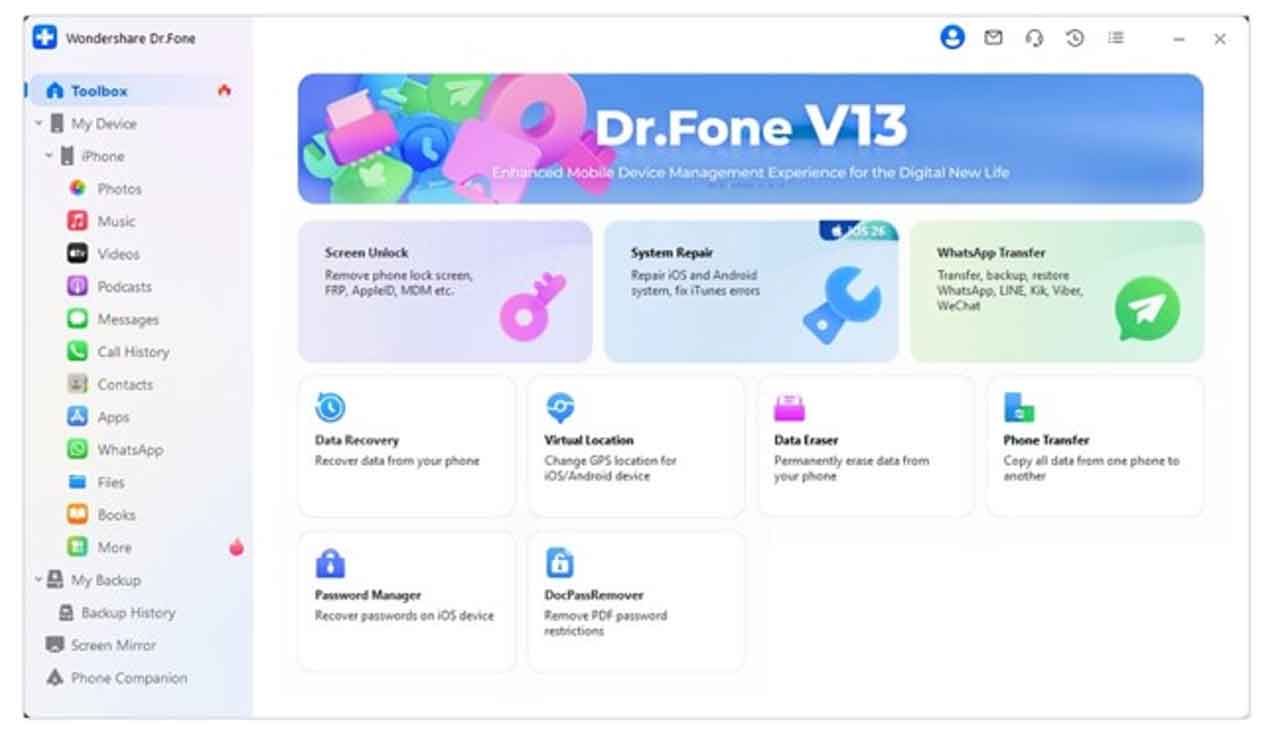
Step 1. Open System Repair
Launch Dr.Fone on your computer and go to Toolbox > System Repair. Connect your iPhone and select iPhone when prompted.
Step 2. Select Standard Repair
Choose iOS Repair, then select Standard Repair. This mode is designed to repair supported iOS issues while preserving your personal data.
Step 3. Download the iOS Firmware
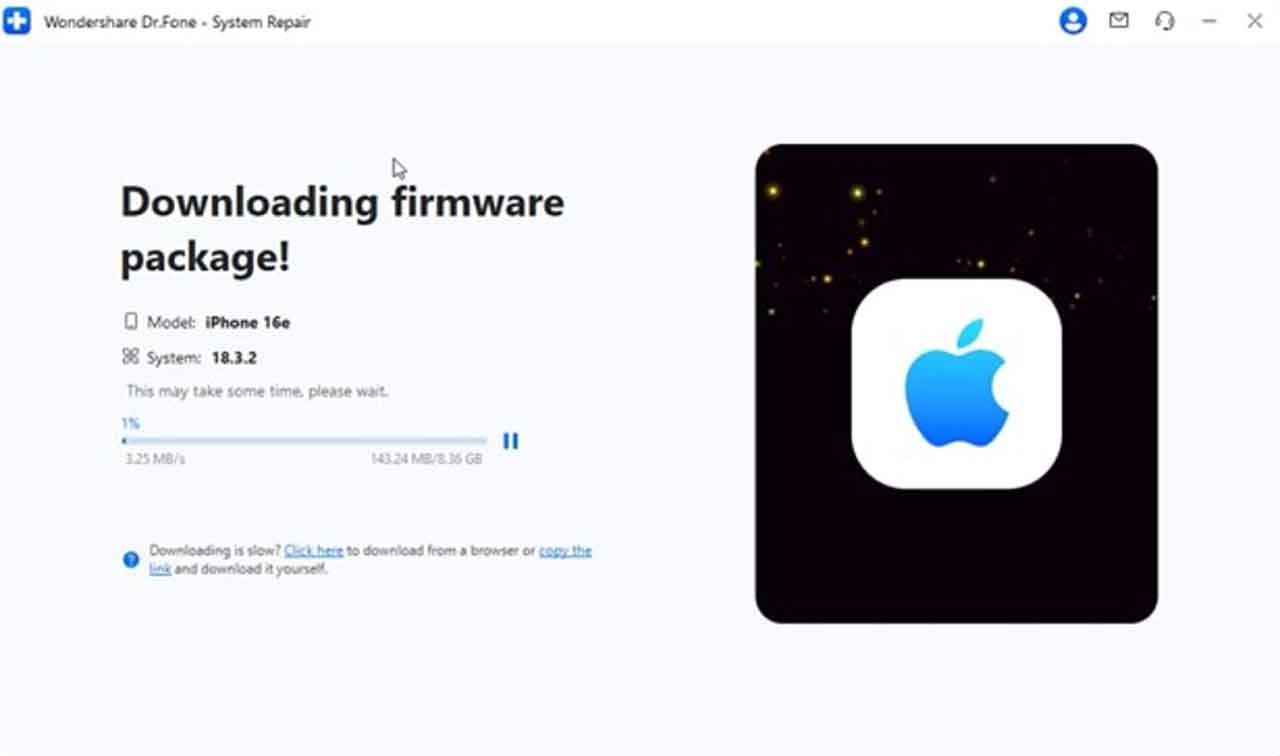
Put your iPhone into Recovery Mode by following the on-screen instructions. Dr.Fone will detect the appropriate firmware. Click Download and wait for it to download and verify.
Step 4. Start the Repair
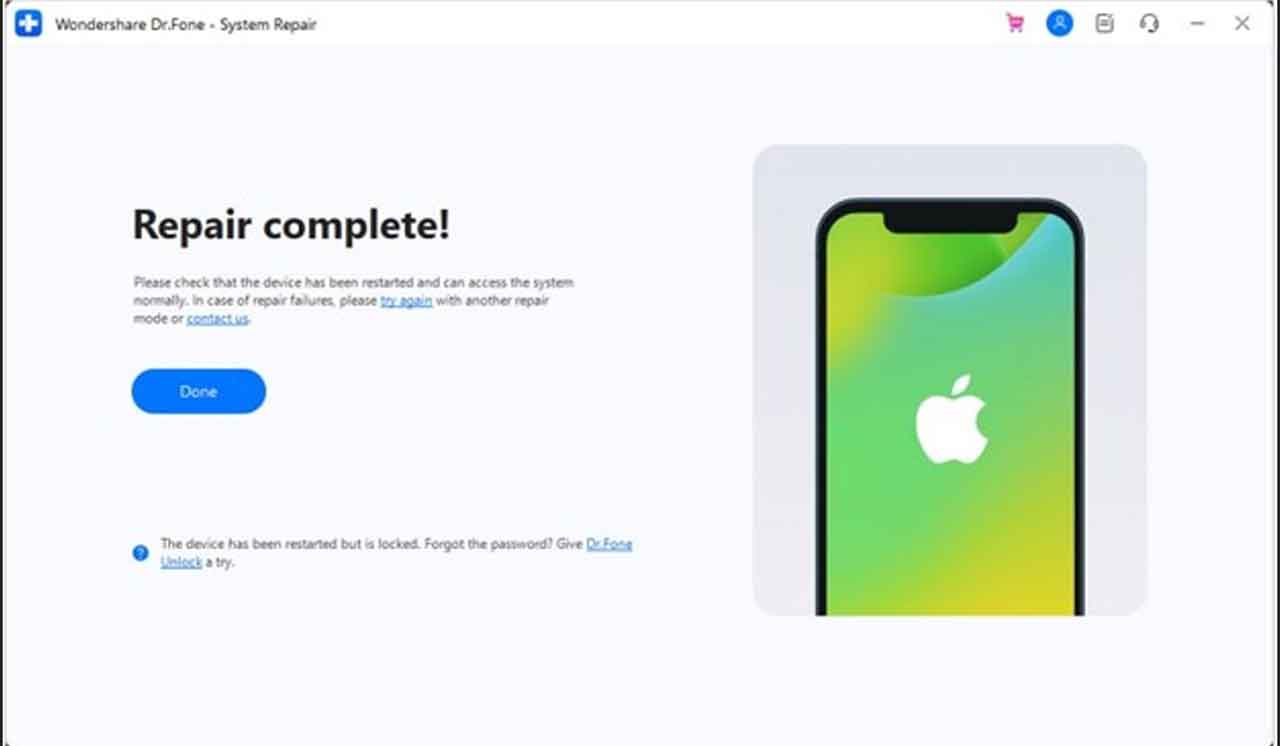
Click Repair Now and keep your iPhone connected to the computer until the process finishes. Click Done when the repair is complete.
What If the iOS 27 Update Still Doesn’t Work?
If your iPhone is updating, first look at compatibility Apple has listed online to find out that it is supporting the iOS version you’re trying to install. If everything fails, the ultimate solution to the problem is to restore the iPhone with the Finder or with the Apple Devices app. Remember that Restore delete everything you have on the device. Make sure you restore all the data from the internet backup or from the computer backup.
iOS Update Preparation Checklist to Avoid Future Problems
- Back up your iPhone before major updates.
- Free up storage before downloading.
- Use stable Wi-Fi to avoid interrupted downloads.
- Charge your iPhone or keep it connected to power.
- Don’t interrupt installation once it starts.
Conclusion
When an iOS update fails, it does not automatically signify a deep-rooted defect of your iPhone. Check your storage, force the restart of device, and the update via computer could be ways that you can try. However, those solutions may not solve the underlying problem, and then recovery mode, together with the use of software like Dr.Fone – System Repair (iOS), could be very effective tools for tackling software problems. It is always best to back up your data, and if you can’t manage to start up your iPhone or update it anymore despite the mentioned steps, Apple Support is there for you.