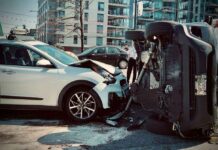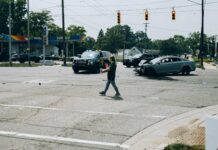
Clocks across most of the United States will fall back one hour on Sunday, Nov. 1. Soon, the drive home from work will happen in the dark. Many people will not be ready for it.
This change matters for more than comfort. A crash at dusk is hard to explain later. One driver says the walker was invisible. The walker says the car came out of nowhere. Both stories can sound true. That is why proof of the light matters. A little planning now can protect anyone who gets hurt this fall.
Why Darkness Raises the Risk
Light fades fast in the evening. Eyes need time to adjust. Dark clothes blend into the road. Headlight glare makes it worse. Tired drivers struggle even more after a long workday.
The numbers back this up. The Insurance Institute for Highway Safety reports that about 77% of pedestrian deaths happen in the dark. Its research also found that crashes killing pedestrians or bicyclists rose 13% in the fall, during the hours changed by the clock shift.
Crashes like these are often disputed, and injured people can feel lost. In that case, legal guidance can help. A renowned personal injury law firm, Bradley Law Personal Injury Lawyers at (thebradleylawfirm.com/), has helped accident victims in Missouri and Illinois since 2002. The firm works on contingency, so clients owe nothing unless it wins a settlement or verdict.
Save Proof of the Light
Your health comes first. See a doctor the same day if you can. Some injuries show up late, so do not skip the visit. After that, start saving proof.
Write down the exact time of the crash. Phone photos also carry time stamps. Take pictures of the scene, the streetlights and any lamps that were out. Note where the sun was. A low sun can blind drivers. Next, check the sunset time for that date in a weather app and save a screenshot. Record the weather, too. Rain and fog make dusk even darker.
Later, return to the spot at the same hour. Photos taken then show what drivers really saw. However, stay on the sidewalk and keep yourself safe.
Find the Cameras Fast
Cameras can settle a dispute. Doorbell cameras, store cameras and dash cams may have caught the crash. Yet some systems record over old video within days. So, ask owners for a copy right away. Write down the address and the name of the person you spoke with. Also, ask nearby people if they saw what happened. Save their names and phone numbers. A short, polite text works well for requests. Keep a copy of every message you send.
Keep a Simple Recovery Log
Your doctor visit is one of the steps to take right after an injury, and it also starts your paper trail. Short notes can add to it. Each night, jot down your pain level, missed work and trouble with daily tasks. For example, note if stairs hurt or if sleep was poor. Keep receipts for medical bills, rides to appointments and prescriptions. In fact, small details like these help show how the crash changed your life. They are also easy to forget after a few months.
Know Missouri’s Basic Rules
Fault is not always all or nothing. Missouri follows a pure comparative fault rule. That means a person who shares some blame may still recover money. The amount is cut by that person’s share of fault. Most injury claims in Missouri also have a five-year filing deadline.
Still, waiting hurts. Evidence fades quickly. Also, laws can change, and every case is different. Claims against government bodies can follow other rules. For that reason, talk with a licensed lawyer about your own facts.
Be Careful With Insurance Calls
An adjuster may call soon after a crash. The tone is often friendly. However, you may not know the full extent of your injuries yet. So, avoid saying “I’m fine” or guessing about speed and distance. Share basic facts only. You can also say you are still getting medical care. Then ask for time to get advice. This simple habit can keep a small slip from becoming a big problem later.
Drivers and Walkers Can Prevent Crashes
Prevention beats any claim. Safety experts note that the fall time change pushes more rush hour driving into twilight. So, drivers should turn on headlights early. They should slow down near crosswalks and side streets. They should also leave more space between cars. Fatigue counts too, so take breaks on long drives. Children walking home from practice are harder to see at dusk, so stay extra alert near schools.
Walkers can help as well. Wear light colors or reflective gear. Carry a small light. Cross at lit crosswalks. In addition, look up from your phone before you step off the curb.
A Simple Plan for This Fall
Here is an easy plan to remember. First, get medical care. Next, save proof of the light, the time and the scene. Then, look for cameras. Finally, speak with a lawyer before you discuss fault with an insurer. Stay calm and stick to the facts. Do not guess about things you did not see.
The clocks change on Nov. 1. Small steps taken early often matter most. Your safety plan can start today.