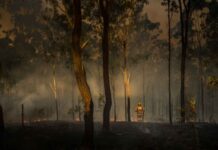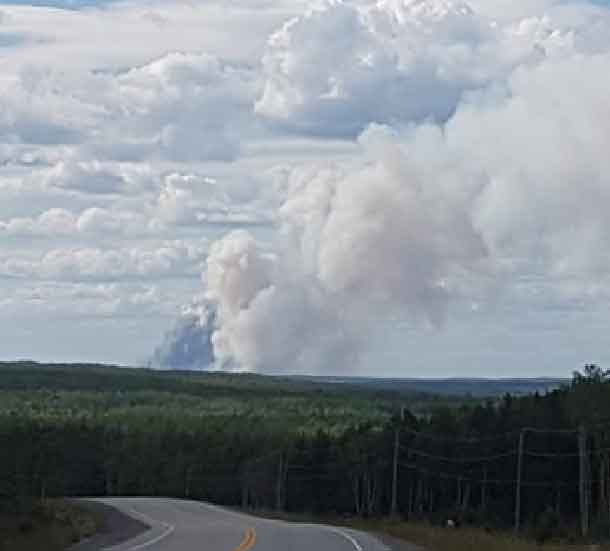
CAT LAKE First Nation – The catastrophic fires we have witnessed in Northwestern Ontario recently are not simply natural disasters. They are a warning that the current approach to forest management, emergency preparedness, and climate adaptation is not sufficient.
For generations, our ancestors carefully maintained these forests through stewardship practices that promoted balance and resilience. Current provincial laws and policies have restricted our ways, limiting our ability to care for the land as we always had.
Today, we are seeing the consequences of those decisions. The people who live on these lands understand them best. Maintaining healthy forests is not only an environmental responsibility; it is essential to our survival as First Nations peoples. Without healthy forests, our communities, cultures, and future generations are at risk.
It is time for governments to move beyond consultation and take meaningful action. First Nations must be partners in decision-making, partners in prevention, and partners in building resilient communities capable of adapting to the realities of a changing climate.
Cat Lake First Nation is therefore calling on federal and provincial governments to take immediate action on the following priorities:
1. Establish a First Nations Wildfire Authority
Create a First Nations-led wildfire authority with shared jurisdiction and decision-making authority alongside federal and provincial agencies.
2. Provide Permanent Wildfire Preparedness Funding
Move beyond short-term, emergency-based funding and invest in stable, multi-year funding that allows communities to prepare before disaster strikes.
3. Expand Indigenous Guardian and Fire Stewardship Programs
Support Indigenous Guardian programs and traditional fire stewardship practices, including prescribed burning, as an integrated part of provincial fire management.
4. Recognize Indigenous Cultural Burning
Formally recognize Indigenous cultural burning practices as a legitimate and essential tool for maintaining healthy forests and reducing wildfire risk.
5. Create a Remote Community Fire Resilience Fund
Invest in critical infrastructure, including fire breaks, emergency water systems, backup power generation, communications networks, and fire-resistant community infrastructure.
6. Develop a First Nations Climate Adaptation Strategy
Work directly with First Nations to create climate adaptation plans that recognize changing fire seasons and the unique realities facing remote communities.
7. Reform Emergency Evacuation Systems
Improve evacuation planning, transportation resources, emergency shelter capacity, and support services for displaced individuals and families.
8. Expand Health and Mental Health Supports
Provide funding for smoke shelters, air filtration systems, respiratory care, trauma counselling, mental health services, and long-term recovery programs.
9. Strengthen Wildfire Data and Early Warning Systems
Invest in real-time warning systems, weather forecasting, satellite monitoring, and community-based alert systems that provide timely and reliable information.
10. Establish Economic Recovery and Compensation Programs
Create a permanent compensation program to address the economic, social, and cultural losses experienced by First Nations affected by wildfires.
11. Implement Revenue Sharing for Wildfire Prevention
Dedicate a portion of revenues generated from forestry and natural resource development to wildfire prevention, emergency management, and climate adaptation efforts within First Nations territories.
12. Ensure Independent Review and Accountability
Publish annual public reports measuring response times, funding commitments, community preparedness, and wildfire impacts to ensure governments remain accountable for their commitments.
These forests are our home. Protecting them is not optional. It is a responsibility we all share.